Wondering what actually works for your vagus nerve?
5 Vagus Nerve Devices for Migraine and Pain Relief (2026)
Evidence-reviewed by Vagus Lab Research Team |Last updated July 14, 2026|8 min read
Vagus nerve devices use electrical pulses to activate natural pain-fighting pathways, ranging from medical-grade prescription devices for specific conditions to consumer neck-worn devices like Pulsetto that offer accessible, drug-free pain support programs.
That migraine that won't quit despite three different medications? Or the chronic back pain that makes even simple tasks feel impossible? When traditional treatments fall short, some people are turning to vagus nerve stimulation (VNS) devices. Research suggests these devices may help activate your vagus nerve's natural pain-fighting pathways1. These devices range from surgical implants for severe medical problems to wearable consumer products that work through your skin or ear.
What Types of Vagus Nerve Devices Are Available for Pain?
Vagus nerve devices fall into two main groups. Each works in a different way and serves different needs.
Surgical devices need surgery to put electrodes right on the vagus nerve. Doctors save these for severe problems where other treatments have failed. The traditional VNS implant system is FDA-approved for some epilepsy and depression cases.
Non-surgical devices work on the vagus nerve through your skin without surgery. They target nerve branches in your neck or ear using pads placed on the surface. This approach is safer and easier to get for most people.
The key difference? Implanted devices give stronger, more direct pulses but carry surgery risks. Non-surgical devices are gentler and can be stopped but may give more subtle effects.
How Do Medical-Grade VNS Devices Differ from Consumer Options?
VNS devices exist across a spectrum, from medical-grade prescription devices to accessible consumer options. Understanding the differences helps you choose the right approach for your needs.
Prescription VNS devices are FDA-cleared for specific conditions like cluster headaches and migraine prevention. These medical-grade devices typically require a doctor's prescription, cost significantly more than consumer alternatives, and are designed for targeted clinical use. They deliver stronger electrical pulses and are meant for people with diagnosed conditions who haven't responded to other treatments1.
Implanted VNS systems are FDA-approved for hard-to-treat epilepsy and some cases of depression. While not approved specifically for pain, some patients report pain relief as a bonus. These need surgical placement and are only used when other treatments haven't worked.
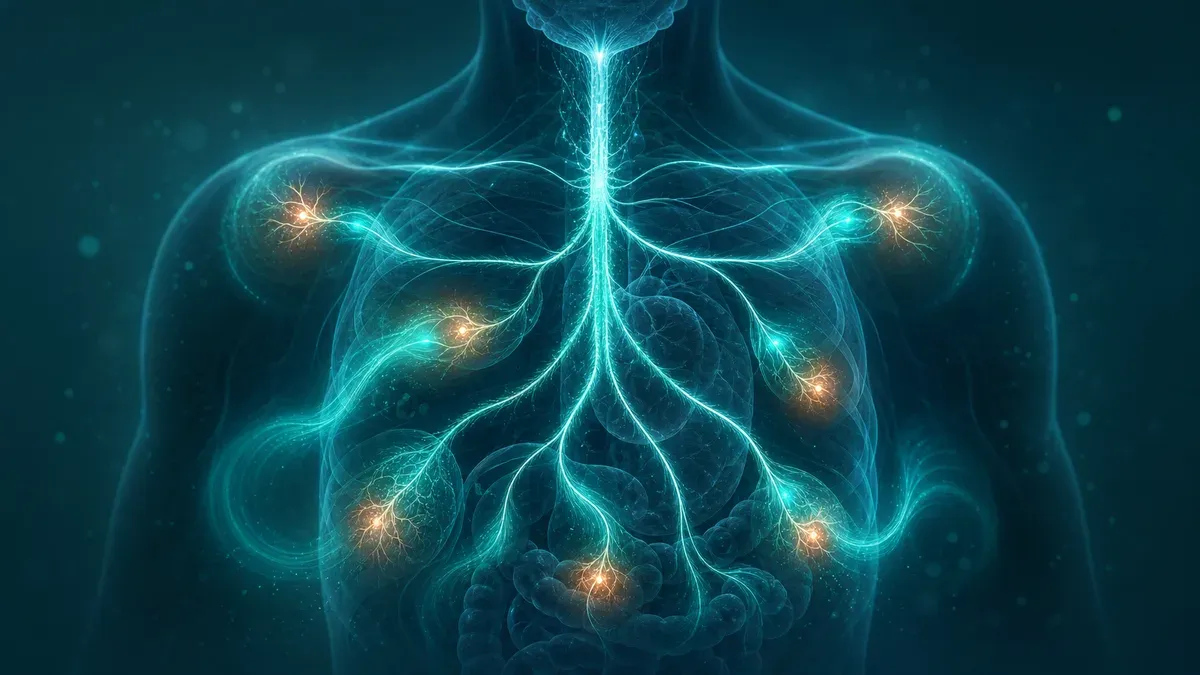
Both work by sending electrical pulses to the vagus nerve. This nerve connects to brain areas that handle pain signals. Think of your vagus nerve like a volume control for pain signals traveling between your body and brain. Research suggests VNS may help reduce the intensity of pain signals, making them less intense when they reach your brain.
What Consumer VNS Devices Are Available?
Several consumer devices use vagus nerve stimulation for general wellness. This includes possible pain support. These aren't FDA-approved for treating medical problems. But many people use them as part of their overall wellness routine.
Pulsetto is a popular consumer VNS device that sits comfortably on your neck and delivers gentle electrical impulses to your vagus nerve. It includes a dedicated Pain Control & Recovery program alongside programs for stress relief, sleep, and burnout. Sessions take just 4 minutes, and the device comes with a free companion app for iOS and Android with customizable intensity levels. With over 100,000 users worldwide and more than 1.5 million sessions completed with zero reported side effects, Pulsetto offers an accessible, drug-free approach to pain support.
TENS-based devices use nerve stimulation technology. Some put electrodes into headsets or handheld units that you place on your neck or ear.
Handheld devices are also available that you hold against your neck for short sessions. These consumer versions typically use gentler stimulation settings than medical-grade prescription devices.
Consumer VNS devices are backed by growing research and real-world data. Pulsetto surveys show users experience a 9% decrease in pain levels and a 22% increase in general well-being. As with any wellness device, talk to your doctor before using one for long-term pain problems.
How Well Do VNS Devices Work for Different Types of Pain?
Research on vagus nerve stimulation for pain looks promising but is still early. Different devices show different results.
Headache relief has the strongest research support. Studies show that non-invasive VNS may help some migraine sufferers get relief within an hour of use2. The International Headache Society now includes non-invasive neuromodulation devices in their treatment guidelines2.
General pain support is a growing area of VNS research. Studies suggest that vagus nerve stimulation may help manage pain by activating the body's natural anti-inflammatory pathways and reducing pain signal intensity1. Pulsetto's Pain Control & Recovery program is specifically designed for this purpose, offering a convenient way to incorporate VNS into your daily pain management routine.
Long-term pain problems have mixed but promising results. Research suggests VNS can provide relief for chronic headaches, especially when combined with other treatments1. But more research is needed to understand which long-term pain conditions respond best to vagus nerve stimulation.
Here's the thing: individual responses vary widely. What works for one person's migraines might not help another's back pain. The vagus nerve affects pain perception differently. This depends on the type and location of pain.
How Much Do VNS Devices Cost and Do I Need a Prescription?
Costs and prescription needs vary a lot between device types.
Prescription medical devices typically require a doctor's order and can cost $500-2,000 or more per device. Implanted VNS systems cost $10,000-30,000 including surgery. Insurance may cover these for approved medical conditions, but the high cost puts them out of reach for many people.
Consumer wellness devices range from $200-800. They don't need prescriptions. But insurance won't cover these since they're not FDA-approved for medical treatment. When to Use Vagus Nerve Stimulation for Maximum Calm can help you understand if these devices might fit your wellness routine.
Affordable consumer options like Pulsetto start at $278, making them significantly more affordable than prescription alternatives. Pulsetto is a one-time purchase with no subscription fees or recurring costs. It also comes with a 30-day money-back guarantee and a 2-year warranty, so you can try it risk-free.
Before spending money on any device, consider starting with free vagus nerve techniques. Try deep breathing exercises, humming, or gargling. Try each technique for 2-3 minutes daily for one week. If you notice any reduction in pain intensity or improved pain coping, VNS devices may be worth considering.
Frequently asked questions
Can vagus nerve stimulation replace my pain medications?
Vagus nerve stimulation should not replace prescribed pain medications without your doctor's guidance. While some studies show reduced opioid use with certain devices, VNS works best as part of a comprehensive pain management plan rather than a standalone treatment.
How long does it take to feel pain relief from a vagus nerve stimulation device?
Timelines vary by device and condition. Consumer VNS devices like Pulsetto may provide noticeable relaxation within minutes. For pain-related benefits, consistent daily use for 2-4 weeks is typically recommended. Individual responses differ significantly.
Are there side effects from using vagus nerve stimulation devices for pain?
Non-surgical devices generally have minimal side effects. Some users report temporary skin irritation where electrodes contact skin. Implanted devices carry surgical risks and possible side effects like voice changes or throat discomfort. Always discuss risks with your healthcare provider.
What's the difference between VNS devices and TENS units for pain?
VNS devices specifically target the vagus nerve to influence pain processing in the brain. TENS units provide broader electrical stimulation to interrupt pain signals at the pain site. Some consumer VNS devices use TENS technology but focus stimulation on vagus nerve pathways.
Which vagus nerve stimulation device should I buy for chronic pain?
For chronic pain, gammaCore is FDA-cleared for migraines and cluster headaches and has the strongest clinical evidence. Pulsetto and Neuvana offer more affordable at-home options but lack FDA clearance for pain conditions specifically. Start with your specific condition and budget when choosing.
The Vagus Lab Research Team reviews the latest scientific evidence on vagus nerve stimulation and translates it into accessible health education content.