7 Natural Ways to Activate Your Vagus Nerve for Pain Relief
That persistent ache that follows you through the day? That nagging pain that makes simple tasks feel overwhelming? Research suggests vagus nerve activation may support the body's natural pain response. Your vagus nerve runs from your brainstem to your abdomen, connecting to major organs along the way. When activated, it triggers your parasympathetic nervous system -- the "rest and digest" mode that helps regulate pain signals and promotes healing1. Studies show specific breathing techniques, cold exposure, and simple lifestyle changes can naturally stimulate this nerve to support pain management.
How Does the Vagus Nerve Help with Pain Relief?
Your vagus nerve acts like a two-way communication highway between your brain and body. When it's working well, it helps calm your nervous system and reduce the intensity of pain signals traveling to your brain1.
Think of it like a volume dial that can turn down the intensity of pain messages before they reach your conscious awareness. A well-functioning vagus nerve helps your body do this by activating descending pain inhibitory pathways -- your built-in pain control system. It releases neurotransmitters that promote calm and reduces inflammation through what researchers call the "cholinergic anti-inflammatory pathway"1.
This nerve also helps regulate your heart rate variability (HRV), which directly impacts how well your body handles stress and recovers from painful episodes. Higher HRV indicates better vagus nerve function and often correlates with improved pain tolerance.
What Breathing Techniques Activate the Vagus Nerve?
Deep breathing is one of the most accessible ways to stimulate your vagus nerve. An experimental study found that slow, deep breathing combined with relaxation significantly raised both pain detection and pain tolerance thresholds in participants2. The key finding: relaxation during breathing mattered more than the breathing technique itself.
Here's the thing: most people breathe shallow, chest-focused breaths when they're in pain or stressed. This keeps your nervous system in "fight or flight" mode.
Try this 4-7-8 breathing technique:
- Inhale through your nose for 4 counts
- Hold your breath for 7 counts
- Exhale slowly through your mouth for 8 counts
- Repeat 4-6 times
The key is making your exhale longer than your inhale -- this shifts the balance toward parasympathetic activation. Diaphragmatic breathing, where your belly expands rather than your chest, appears to strengthen this effect.
Can Cold Exposure Really Help with Pain?
Cold water therapy might sound uncomfortable when you're already dealing with pain, but it activates your vagus nerve through a well-documented mechanism. Cold applied to your face triggers the "dive reflex" -- an automatic response where the trigeminal nerve signals the vagus nerve to slow your heart rate and boost parasympathetic activity3. A randomized controlled trial confirmed that cold stimulation on the cheek produced measurably higher heart rate variability compared to control conditions.
You don't need an ice bath. Splashing cold water on your face for 20-30 seconds or placing a cold pack on your cheeks can trigger this response.
The cold shock initially stresses your system, but then your vagus nerve kicks in to restore balance. Over time, regular cold exposure may build resilience in your nervous system.
Start slowly if you're new to cold exposure. Begin with cool water and gradually decrease the temperature over several days. People with cardiovascular conditions should consult their doctor first.
How Do Meditation and Gentle Movement Support Pain Relief?
Mindfulness meditation and gentle movement practices like yoga and tai chi work through the same core mechanism: they combine controlled breathing with a calm mental state, which activates vagal pathways2.
These aren't interchangeable activities though. They support pain management in different ways:
Meditation trains your nervous system to shift into parasympathetic mode on demand. Even 10 minutes daily can improve heart rate variability over time. For pain specifically, meditation appears to change how your brain processes pain signals -- not blocking them, but reducing the emotional distress they cause.
Yoga and tai chi add gentle physical movement that prevents the stiffness and deconditioning that worsen chronic pain. Poses involving twisting or gentle abdominal compression may provide additional vagal stimulation through mechanical pressure near the nerve's path. Aim for 15-20 minutes of gentle practice, focusing on coordination with slow breathing.
The key for both: consistency matters more than duration. Regular practice teaches your nervous system to access the calm, healing state more easily.
What Simple Daily Activities Stimulate the Vagus Nerve?
Some effective vagus nerve activators are activities you probably already enjoy. Humming, singing, gargling, and laughter all naturally stimulate this nerve through vibrations in your throat area, where the vagus nerve has major branches.
Here are simple ways to work these into your day:
- Hum while doing household tasks -- the vibration resonates along vagal pathways in your throat
- Sing along to music -- sustained vocalization requires the controlled breathing that activates vagal tone
- Gargle vigorously with water for 30 seconds -- the muscle contraction in the back of your throat stimulates vagal branches
- Laugh freely -- genuine laughter combines diaphragmatic engagement with throat activation
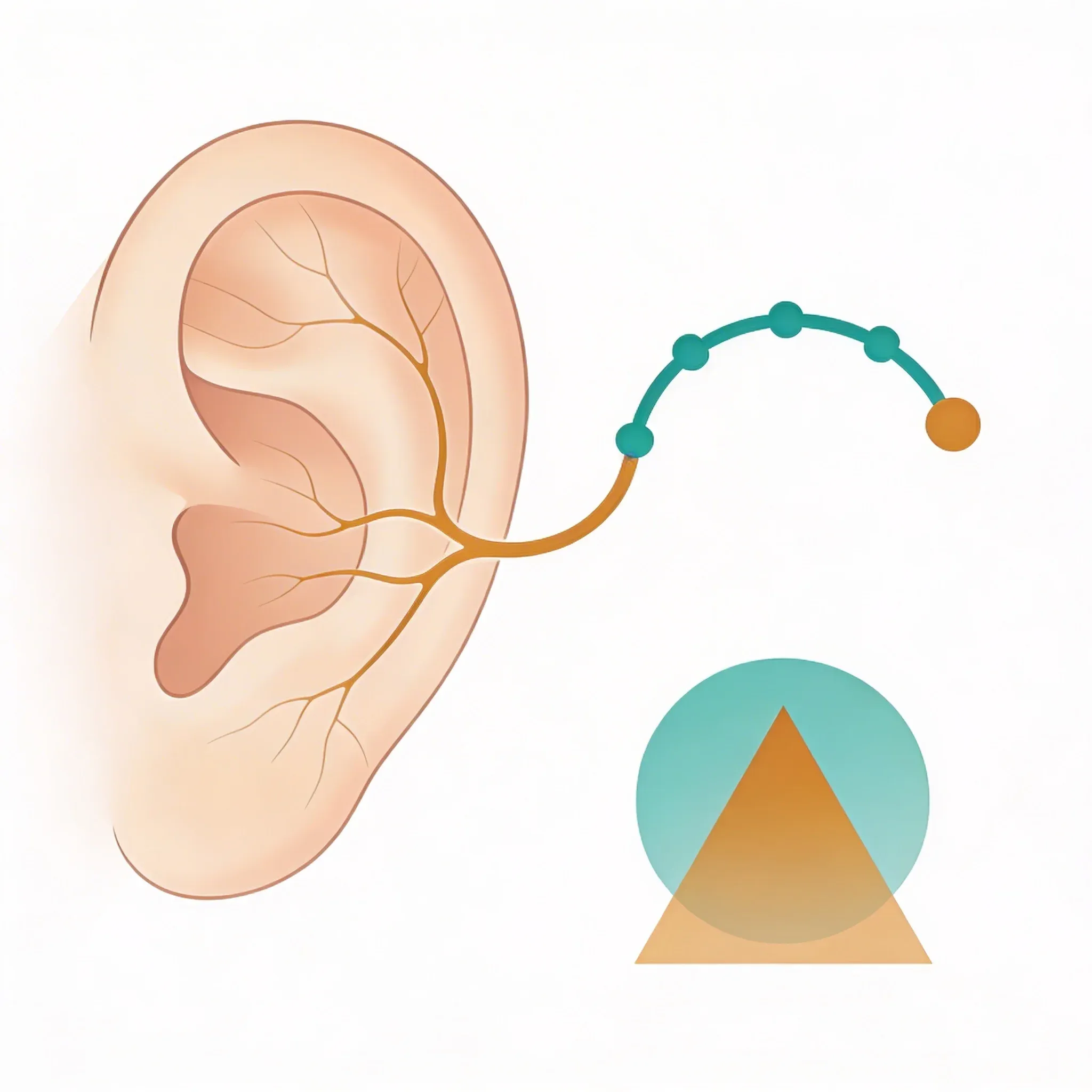
Gentle massage around the ears and neck may provide additional stimulation. The auricular branch of the vagus nerve runs close to the skin surface at the ear, which is why some people find ear massage calming.
How Does Regular Exercise Fit In?
Regular movement helps maintain vagus nerve function and overall nervous system balance, but intensity matters when you're dealing with pain.
Gentle activities work best for pain management:
- Walking 15-20 minutes at a comfortable pace, 3-4 times weekly
- Swimming 20-30 minutes at low to moderate intensity
- Tai chi 15-20 minutes daily
Too little movement leads to stiffness and increased pain sensitivity. Too much triggers stress responses that work against vagal activation. Listen to your body and start with what feels manageable -- even 10-15 minutes of gentle movement helps shift your nervous system toward recovery.
When Should You Practice These Techniques?
Timing affects how well these techniques work for pain. Morning practices -- especially breathing exercises -- help set a calm nervous system baseline for the day. Evening sessions, particularly meditation or gentle stretching, can improve sleep quality, which is critical for pain recovery since your body does most of its tissue repair during deep sleep.
During acute pain flares, reach for the fastest-acting techniques: breathing exercises (immediate effect) and cold water on the face (activates the dive reflex within seconds). For chronic pain, building a consistent daily routine that includes 2-3 techniques tends to produce better results than occasional intensive sessions.
Track your response over 4-6 weeks. Pain management through vagal activation is cumulative -- benefits build as your nervous system develops stronger parasympathetic tone.