Wondering what actually works for your vagus nerve?
How Does Vagus Nerve Stimulation Work? A Simple Guide
Evidence-reviewed by Vagus Lab Research Team |Last updated July 14, 2026|7 min read
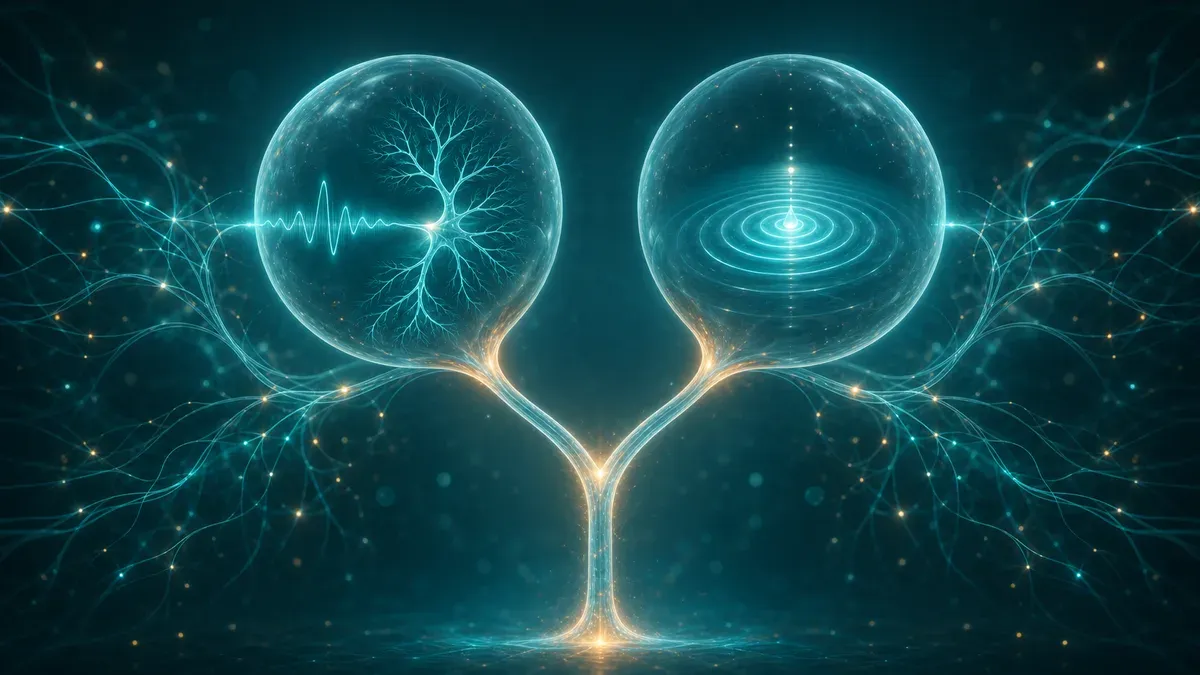
When electrical stimulation hits the vagus nerve, it generates action potentials that travel to brainstem control centers within milliseconds, then spread to brain regions that regulate heart rate, inflammation, and mood.
When you stimulate your vagus nerve with electrical pulses, those signals travel from the nerve to your brainstem within milliseconds. From there, they spread to different brain regions. These regions control everything from seizure activity to inflammation levels. The key is that research suggests electrical stimulation may work by changing how your nervous system communicates1.
This isn't science fiction. It's how medical vagus nerve stimulation (VNS) is FDA-approved for epilepsy and treatment-resistant depression, with research suggesting it may help support thousands of people over two decades.
What Happens When Electrical Pulses Hit Your Vagus Nerve?
Think of your vagus nerve like a two-way telephone system connecting your brain to your body. When electrical stimulation hits it, the nerve fibers generate action potentials. These are electrical messages that travel in both directions - some racing toward your brain like incoming calls, others heading down to organs like your heart and gut like outgoing messages. The direction and processing depend on the frequency and intensity of the electrical pulse.
The frequency matters crucially. Low-frequency electrical pulses are like clear, organized phone calls - they activate these nerve fibers efficiently, getting them firing in coordinated patterns that promote healing responses. High-frequency stimulation is like everyone talking at once on a conference call - it creates overwhelm and can actually block nerve signals from getting through, like static interference on a radio1.
Once activated, your vagus nerve becomes a messenger service. It carries these electrical signals up to three key control centers in your brainstem. These are the nucleus tractus solitarius, the dorsal motor nucleus, and the nucleus ambiguus2.
These aren't just random brain regions. They're command centers that influence heart rate, breathing, digestion, and even immune responses.
How Your Brainstem Processes Vagus Nerve Signals
Here's where it gets interesting.
Your brainstem doesn't just receive vagus nerve signals and file them away. It acts like a distribution hub. It sends those electrical messages to different brain areas based on what your body needs2.
The nucleus tractus solitarius is the main relay station. When vagus nerve signals arrive there, they get redirected. They go to areas that control mood, memory, and even inflammation. This explains why stimulating one nerve can affect so many different body systems.
Researchers have found that these brainstem signals change how brain cells work. They change how brain cells communicate with each other3. It's not just about turning systems on or off. It's about changing the conversation between different parts of your nervous system.
This brainstem distribution system is why a single electrical pulse can create effects throughout your entire body - each signal gets amplified and redirected to multiple target areas simultaneously.
Why Electrical Stimulation Affects Your Whole Body
Your vagus nerve doesn't work in isolation. It's part of a network.
When electrical signals reach your brainstem, they may help trigger what scientists call the cholinergic anti-inflammatory pathway. This is your body's built-in system for controlling inflammation1.
Here's how it works: the brainstem signals travel to your spleen. There they tell immune cells to dial down their inflammatory response. Research indicates that electrical pulses to your vagus nerve may reduce inflammation markers throughout your entire body.
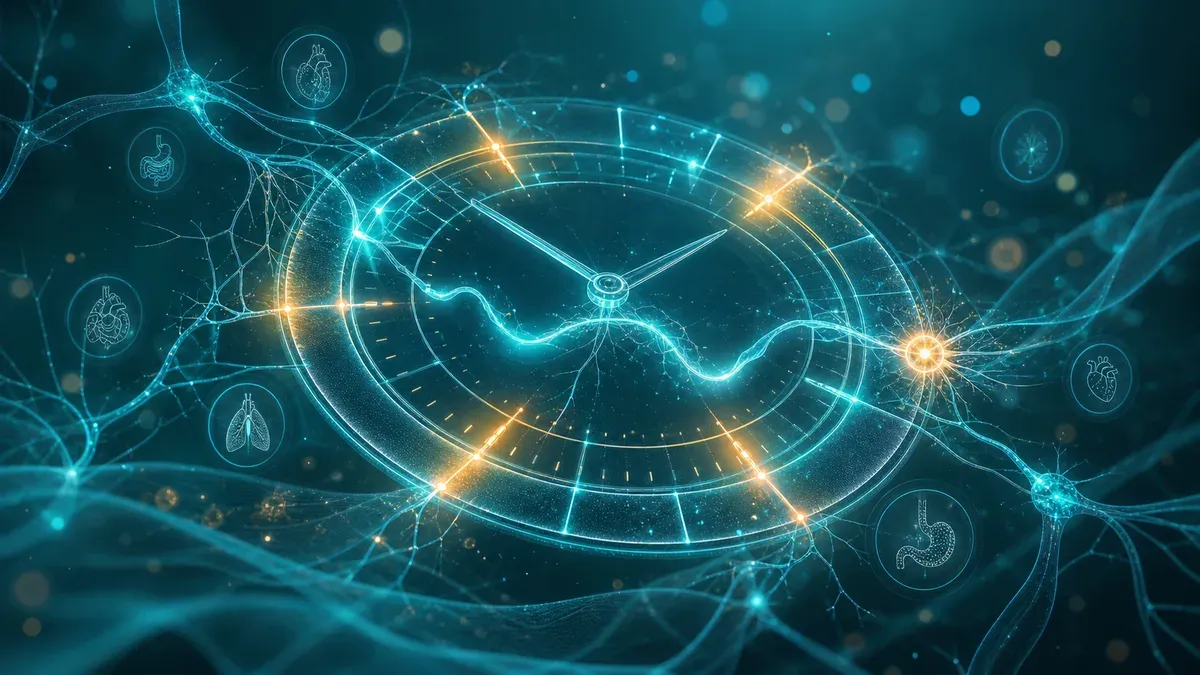
This same mechanism explains why VNS can influence heart rate variability. This is a measure of how well your nervous system adapts to stress. The electrical signals from vagus nerve stimulation reach brain areas that control your heart's rhythm. These areas then send more organized, coherent signals back down to your heart. When vagus nerve stimulation improves HRV, it's because those electrical signals are literally rewiring how your brain talks to your heart.
This widespread influence through a single nerve pathway explains why individual responses to VNS devices can vary so significantly - the same electrical input gets distributed to different brain networks depending on each person's unique physiology and current state.
The Difference Between Medical and Consumer Devices
Most research on electrical VNS mechanisms comes from implanted medical devices. These systems deliver precise electrical pulses directly to the vagus nerve. They do this through surgically placed wires.
Consumer devices work differently. They typically use transcutaneous stimulation. This means electrical pulses delivered through the skin. Usually at the ear where vagus nerve branches are accessible.
The mechanisms are similar, but the intensity and precision differ. Medical implants can deliver stronger, more targeted signals. Consumer devices work more gently. They may take longer to produce noticeable effects.
Both approaches rely on the same basic principle: electrical signals that change how your nervous system communicates. The pathway from nerve to brainstem to body-wide effects remains the same2. However, individual responses can vary significantly based on factors like age, overall health, stress levels, and even genetics.
How Stimulation Parameters Change the Effects
Not all electrical stimulation is the same.
Frequency determines what happens. Low frequencies tend to activate nerve fibers. They produce healing effects. Higher frequencies can actually block nerve signals. This is useful for certain medical conditions but not for general wellness1.
Intensity matters too. Stronger electrical pulses activate more nerve fibers. This potentially creates stronger effects. But there's a sweet spot. Too much stimulation can be counterproductive or uncomfortable.
Duration and timing also play roles. Some people respond better to continuous stimulation. Others benefit from intermittent pulses. Research suggests consistent daily sessions work better than sporadic use, with many studies using 15-20 minute protocols.
For practical use, look for devices that offer adjustable intensity settings. Start with lower settings and gradually increase. You should feel a gentle tingling without discomfort. If you experience dizziness, nausea, or throat tightness, reduce the intensity immediately.
Researchers are still mapping out how different combinations of these parameters produce different effects in the body. It's like learning the vocabulary of electrical communication with your nervous system.
Frequently asked questions
How fast do electrical signals travel through the vagus nerve?
Electrical signals reach your brainstem within milliseconds after vagus nerve stimulation. However, the downstream effects on heart rate, inflammation, or mood may take minutes to hours to become noticeable, depending on which body system is being influenced.
What happens in your brain when the vagus nerve receives electrical stimulation?
The electrical signals travel to brainstem control centers, primarily the nucleus tractus solitarius, which acts as a relay station. From there, signals spread to brain areas that control mood, memory, heart rate, and inflammation responses throughout the body.
Why does vagus nerve stimulation affect multiple body systems?
The vagus nerve connects to multiple brainstem control centers that influence different body functions. When electrical signals activate these centers, they trigger cascading effects throughout connected neural networks, affecting heart rate, immune responses, digestion, and mood regulation simultaneously.
Do at-home vagus nerve stimulation devices work the same as implanted ones?
The basic mechanism is the same - electrical signals activate vagus nerve pathways to the brainstem. However, non-invasive devices typically deliver gentler stimulation through the skin and may produce more subtle effects compared to surgical implants that provide direct nerve access.
Why does vagus nerve stimulation affect so many different body systems?
The vagus nerve is the longest cranial nerve, branching from the brainstem to the heart, lungs, gut, and immune organs. Electrical stimulation at one point sends signals throughout this network, which is why it can influence heart rate, digestion, inflammation, and mood simultaneously.
The Vagus Lab Research Team reviews the latest scientific evidence on vagus nerve stimulation and translates it into accessible health education content.