Wondering what actually works for your vagus nerve?
Is POTS Connected to Vagus Nerve Problems? What We Know
Evidence-reviewed by Vagus Lab Research Team |Last updated July 8, 2026|7 min read
Research suggests possible connections between POTS and vagus nerve dysfunction, as the vagus nerve controls heart rate regulation. However, evidence remains limited and the relationship isn't fully understood.
POTS (Postural Orthostatic Tachycardia Syndrome) causes your heart rate to spike when you stand up -- often jumping 30 beats per minute or more. Some researchers think vagus nerve dysfunction might play a role in this condition, but the science is still early and the connections aren't fully understood yet.
What Is POTS and How Does It Affect You?
POTS is a form of dysautonomia -- a condition where your autonomic nervous system doesn't work quite right. When you have POTS, standing up becomes a challenge for your body.
Your heart rate shoots up dramatically when you move from lying down to standing. This happens because your blood vessels don't tighten properly to push blood back to your heart. Your heart tries to compensate by beating much faster.
The symptoms go beyond just a racing heart. Many people with POTS experience:
Dizziness or lightheadedness when standing
Fatigue that doesn't improve with rest
Brain fog and trouble concentrating
Nausea or stomach problems
Chest pain or palpitations
Exercise intolerance
These symptoms can make daily activities exhausting. Simple tasks like showering or grocery shopping become major challenges.
How Does Your Vagus Nerve Control Heart Rate?
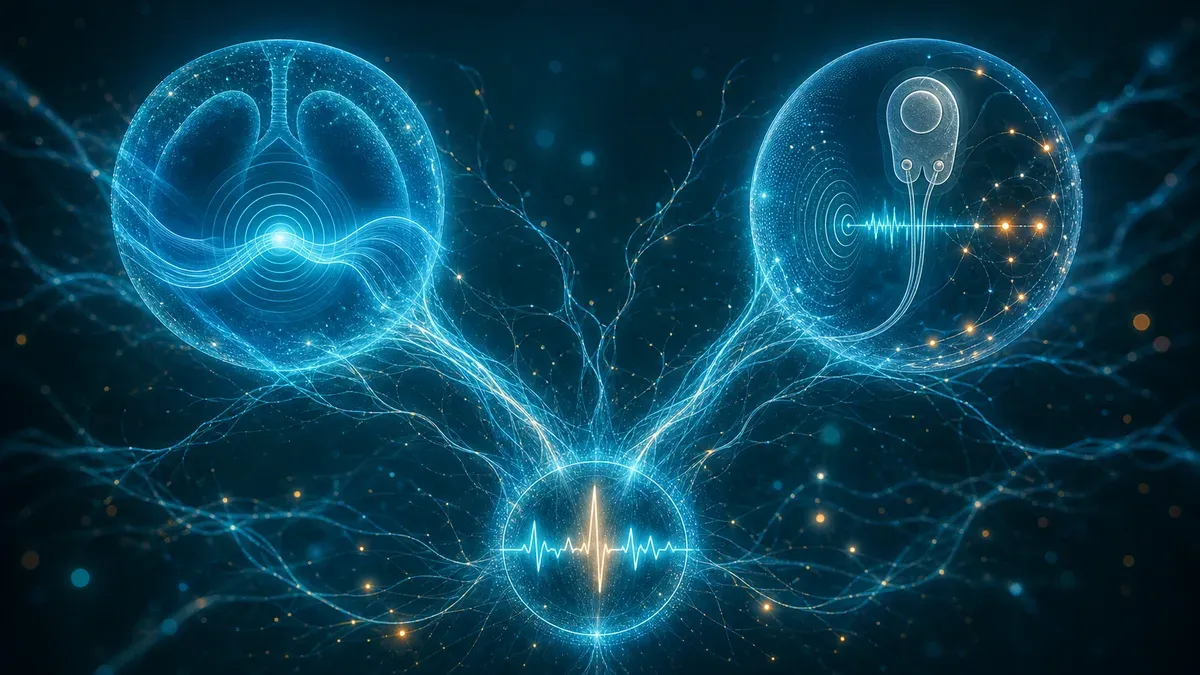
Your vagus nerve acts like a brake pedal for your heart. It's the main pathway your brain uses to slow down your heart rate and keep it steady.
When your vagus nerve is working well, it releases a chemical called acetylcholine. This chemical tells your heart to beat slower and more rhythmically. It also helps control blood vessel tone -- how tight or relaxed your blood vessels stay.
But what happens when those brakes don't work properly? Imagine driving a car where the brake pedal is weak or unresponsive. You can still slow down, but it takes much more effort, and you might overshoot your target speed. In POTS, when the vagal "brakes" aren't working well, your heart struggles to maintain a steady rate. It either races too fast or can't slow down quickly enough when it should.
The vagus nerve is part of your parasympathetic nervous system. That's the "rest and digest" mode that keeps you calm and helps your body maintain balance. When this system isn't working properly, your heart rate can become unstable.
Here's what happens in a healthy person when they stand up:
Blood starts to pool in the legs due to gravity
Pressure sensors detect the change
The sympathetic nervous system increases heart rate slightly
The vagus nerve helps fine-tune the response
Blood vessels constrict to maintain blood pressure
This whole process usually happens smoothly. But if any part breaks down, you might develop POTS-like symptoms.
What Research Shows About POTS and Vagus Nerve Function
The connection between POTS and vagus nerve problems is still being studied. Right now, the evidence is mostly theoretical and based on small observations.
Some researchers have noticed that people with POTS often show signs of reduced vagal tone. Vagal tone is basically how active your vagus nerve is during rest. Lower vagal tone might mean your body struggles to keep heart rate stable.
Here's the thing: we don't know if vagus nerve problems cause POTS, or if POTS causes vagus nerve problems, or if they just happen to occur together sometimes.
The research has several limitations:
Most studies are small with just a few dozen participants
Different researchers measure vagal function in different ways
POTS itself has subtypes that might respond differently
Many other factors could explain the same symptoms
What scientists do know is that POTS involves multiple body systems. It's not just a heart problem or just a nerve problem. The autonomic nervous system, blood vessels, and heart all play roles.
Could Vagus Nerve Approaches Help POTS Symptoms?
Some people wonder if vagus nerve stimulation or exercises might help with POTS. The honest answer is that we don't have enough research to know.
There are a few reasons to be cautious:
First, POTS is a complex medical condition. What works for general stress or anxiety might not work for a specific autonomic disorder. The mechanisms could be completely different.
Third, some vagus nerve approaches could potentially make POTS symptoms worse in certain situations. For example, anything that dramatically changes heart rate or blood pressure needs careful monitoring.
That said, some gentle approaches might be worth discussing with your doctor:
Slow, controlled breathing exercises: Practice 4-7-8 breathing (inhale for 4 counts, hold for 7, exhale for 8) for 5-10 minutes daily, preferably while lying down
Gradual physical conditioning: Start with 5-10 minutes of recumbent or seated exercise 3 times per week, increasing duration by 1-2 minutes weekly as tolerated
Sleep optimization: Consistent 7-9 hour sleep schedule with elevated head position
But here's what's crucial: these should never replace proven POTS treatments. They would be additions to proper medical care, not alternatives.
What Are the Established Treatments for POTS?
While researchers explore vagus nerve connections, there are proven approaches that help many people with POTS manage their symptoms.
Lifestyle modifications often make a big difference:
Increasing fluid and salt intake (under medical supervision)
Wearing compression stockings
Elevating the head of the bed
Gradual exercise training programs
Avoiding triggers like heat or prolonged standing
Medications can also help. Different drugs work for different people, so finding the right approach takes time and patience.
The key is working with healthcare providers who understand POTS. This condition is still underdiagnosed and misunderstood, even in the medical community. Finding knowledgeable doctors makes a huge difference in treatment success.
The Bottom Line on POTS and Vagus Nerve Research
The possible connection between POTS and vagus nerve dysfunction is intriguing, but the science isn't settled yet. We need much larger studies and better ways to measure vagal function in people with POTS.
What we do know is that POTS is a real, challenging condition that affects millions of people. It's not "just anxiety" or something people can simply push through.
If you think you might have POTS, the most important step is getting proper medical evaluation. A tilt table test and other assessments can help determine what's really going on with your autonomic nervous system.
While researchers continue studying the vagus nerve connection, focus on the treatments that have proven track records. The goal is managing your symptoms and improving your quality of life -- not waiting for perfect scientific answers.
The research will continue evolving. But your health and well-being matter right now, today.
Frequently asked questions
Can vagus nerve stimulation help with POTS symptoms?
Currently, there's no established evidence that vagus nerve stimulation helps with POTS. This remains an area of early research. Any approaches targeting the vagus nerve should be discussed with a healthcare provider familiar with POTS treatment.
How is the vagus nerve connected to heart rate regulation?
The vagus nerve acts as your heart's brake pedal, releasing acetylcholine to slow heart rate and maintain rhythm. It's part of the parasympathetic nervous system that keeps your heart rate stable during rest and activity transitions.
What are the main symptoms of POTS?
POTS causes heart rate to increase by 30+ beats per minute when standing. Common symptoms include dizziness, fatigue, brain fog, nausea, chest pain, and exercise intolerance. Symptoms often worsen with heat, dehydration, or prolonged standing.
Are there proven treatments for POTS?
Yes, established treatments include increasing fluid and salt intake, compression stockings, gradual exercise programs, medications, and lifestyle modifications. Treatment plans should always be developed with healthcare providers experienced in POTS management.
Does POTS damage the vagus nerve, or is it the other way around?
POTS involves autonomic dysfunction that can include impaired vagal function, but it's typically a functional issue rather than structural nerve damage. Many POTS patients have reduced vagal tone, which may both contribute to and result from the condition.
Vagus Lab Research Team
Health Education Team
The Vagus Lab Research Team reviews the latest scientific evidence on vagus nerve stimulation and translates it into accessible health education content.