What Research Shows About Your Vagus Nerve and Autoimmune Health
Waking up with stiff, swollen joints. Unpredictable digestive pain that disrupts your day. Fatigue that rest doesn't fix. If you live with autoimmune symptoms, your body's inflammation system has gone haywire. But researchers are discovering something unexpected: a single nerve pathway might help restore balance. Your vagus nerve acts as your body's natural inflammation control system, and preliminary research shows this nerve pathway may reduce key inflammatory markers by 60-80% in early studies12.
How Does the Vagus Nerve Control Your Immune System?
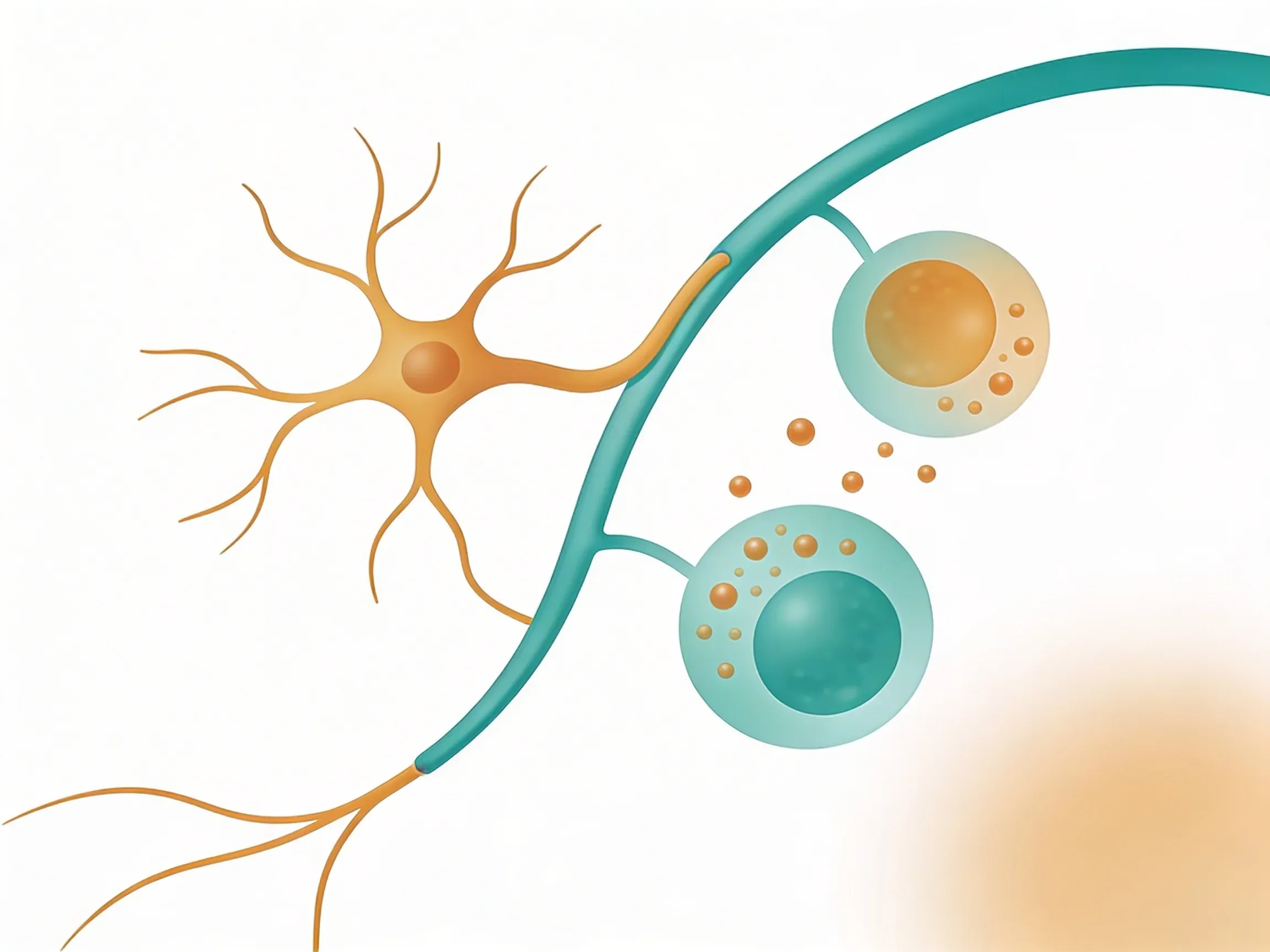
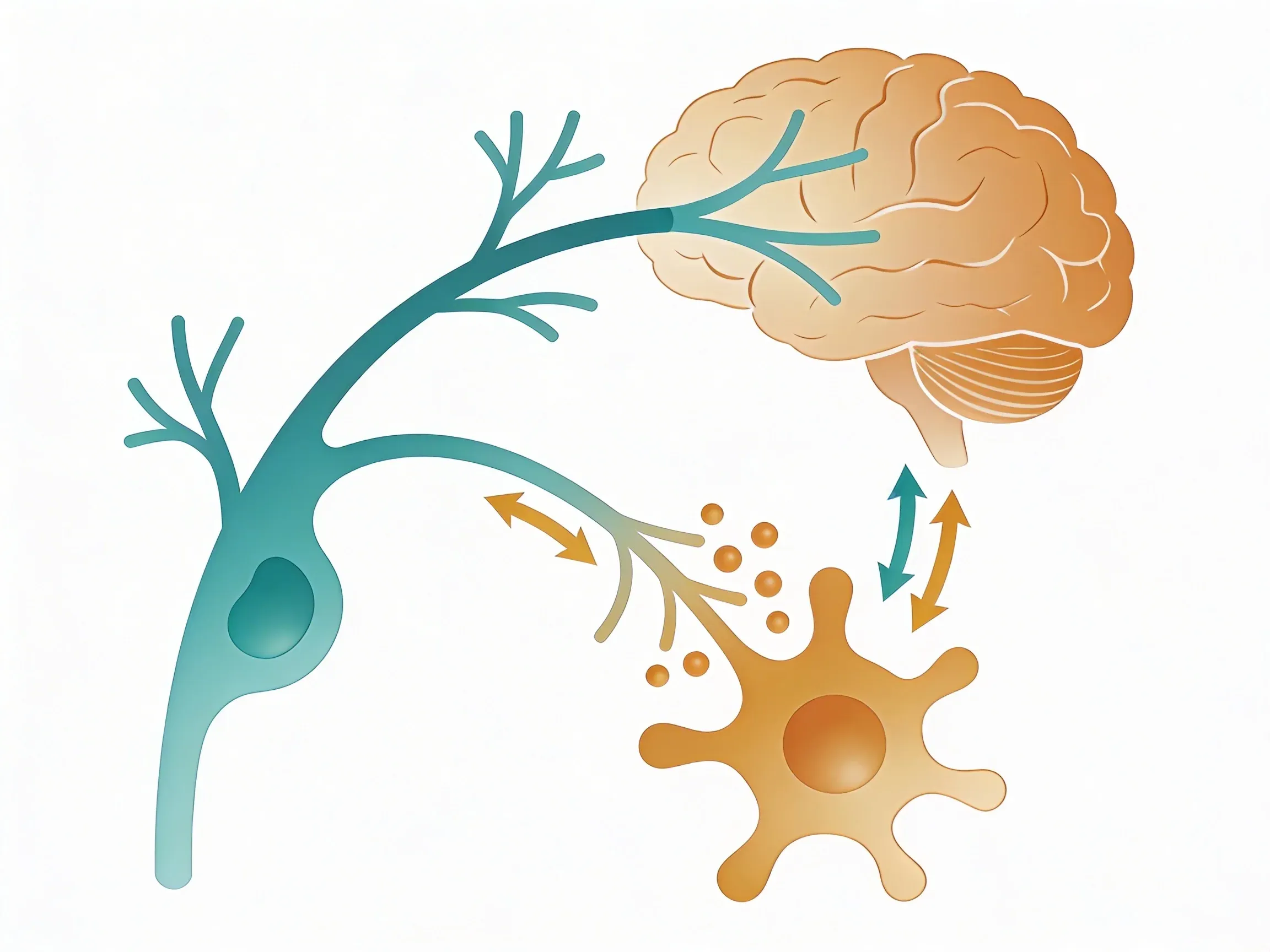
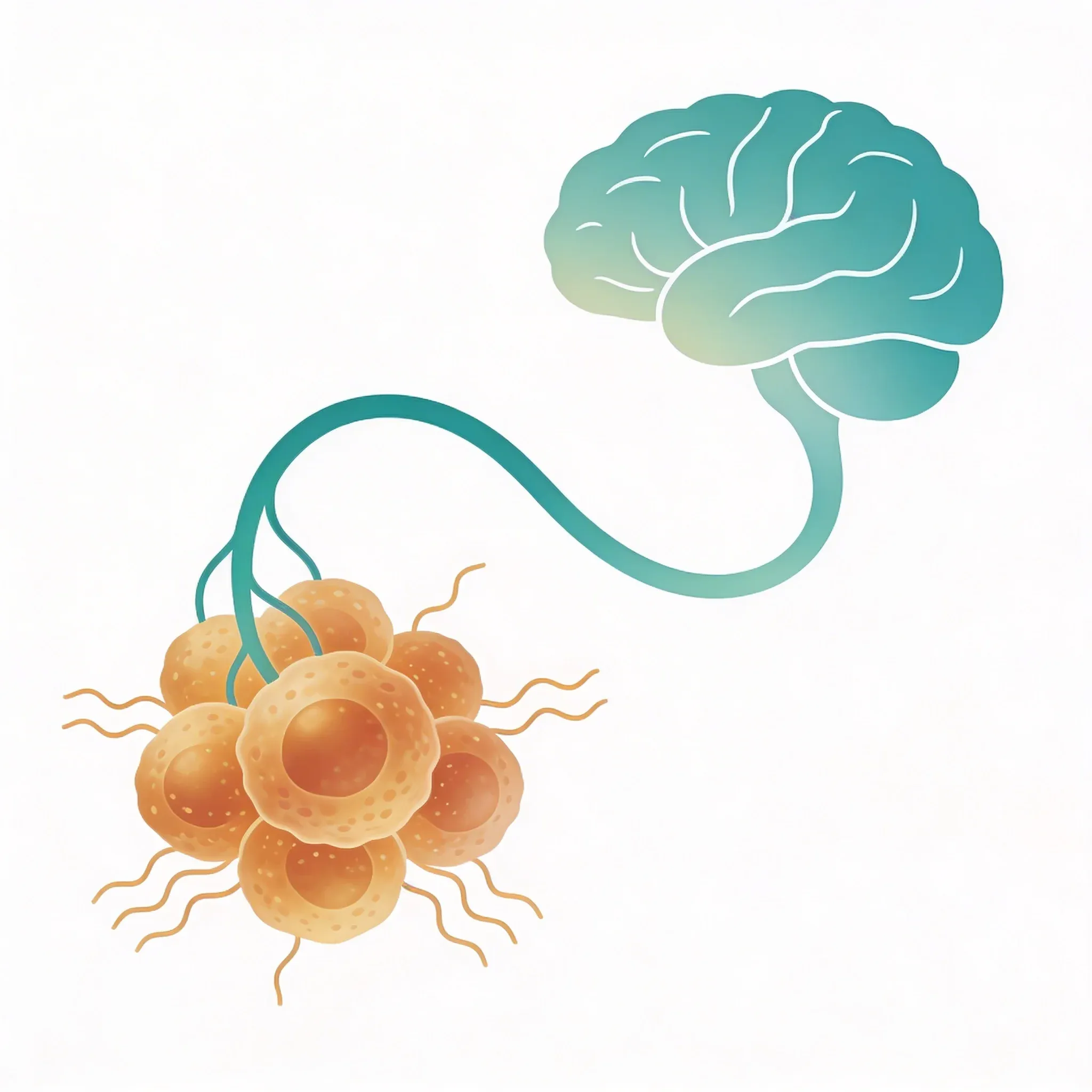
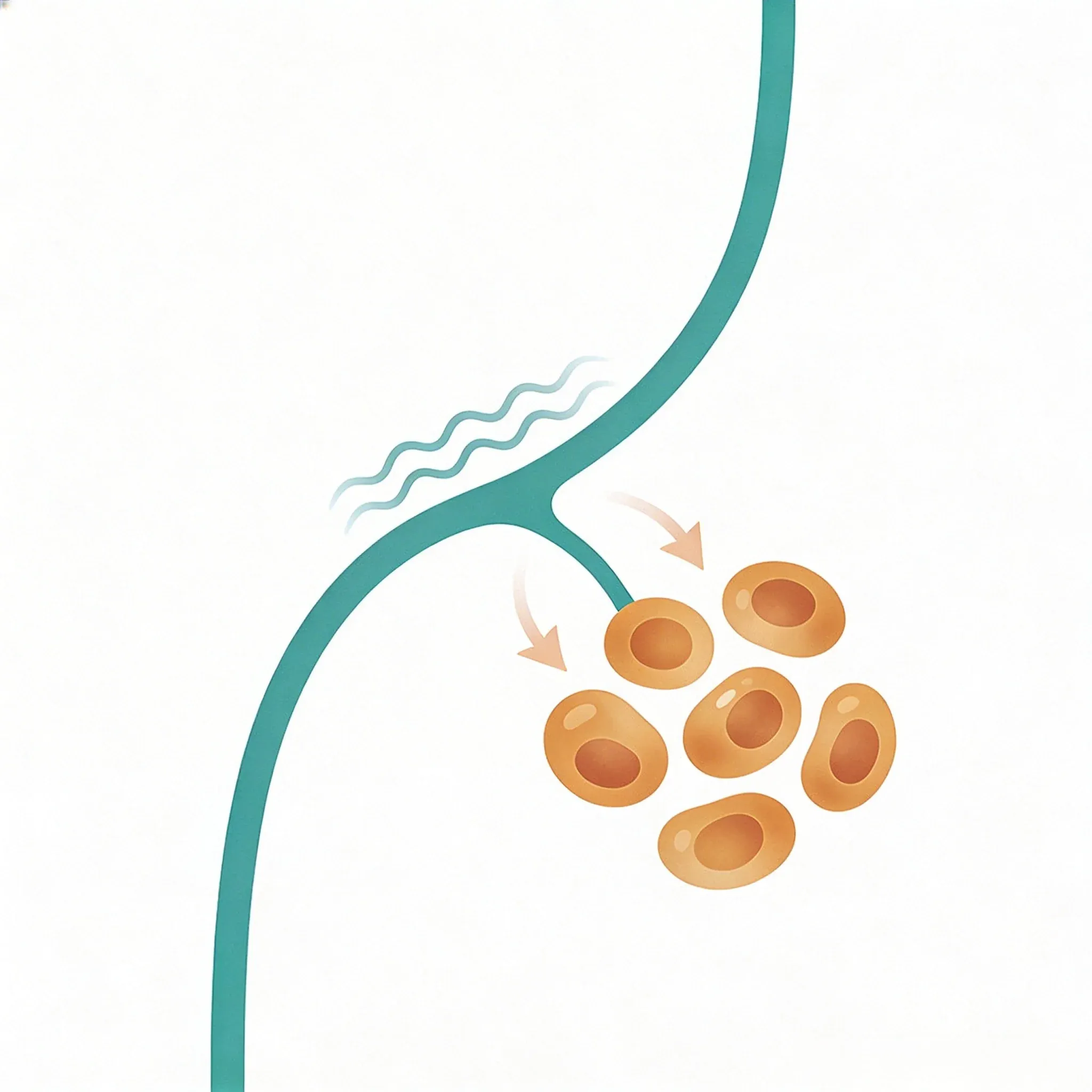
Think of your vagus nerve as a highway between your brain and your immune system. When this nerve fires, it sends signals to organs like your spleen. These organs control immune cell activity.
Here's the process:
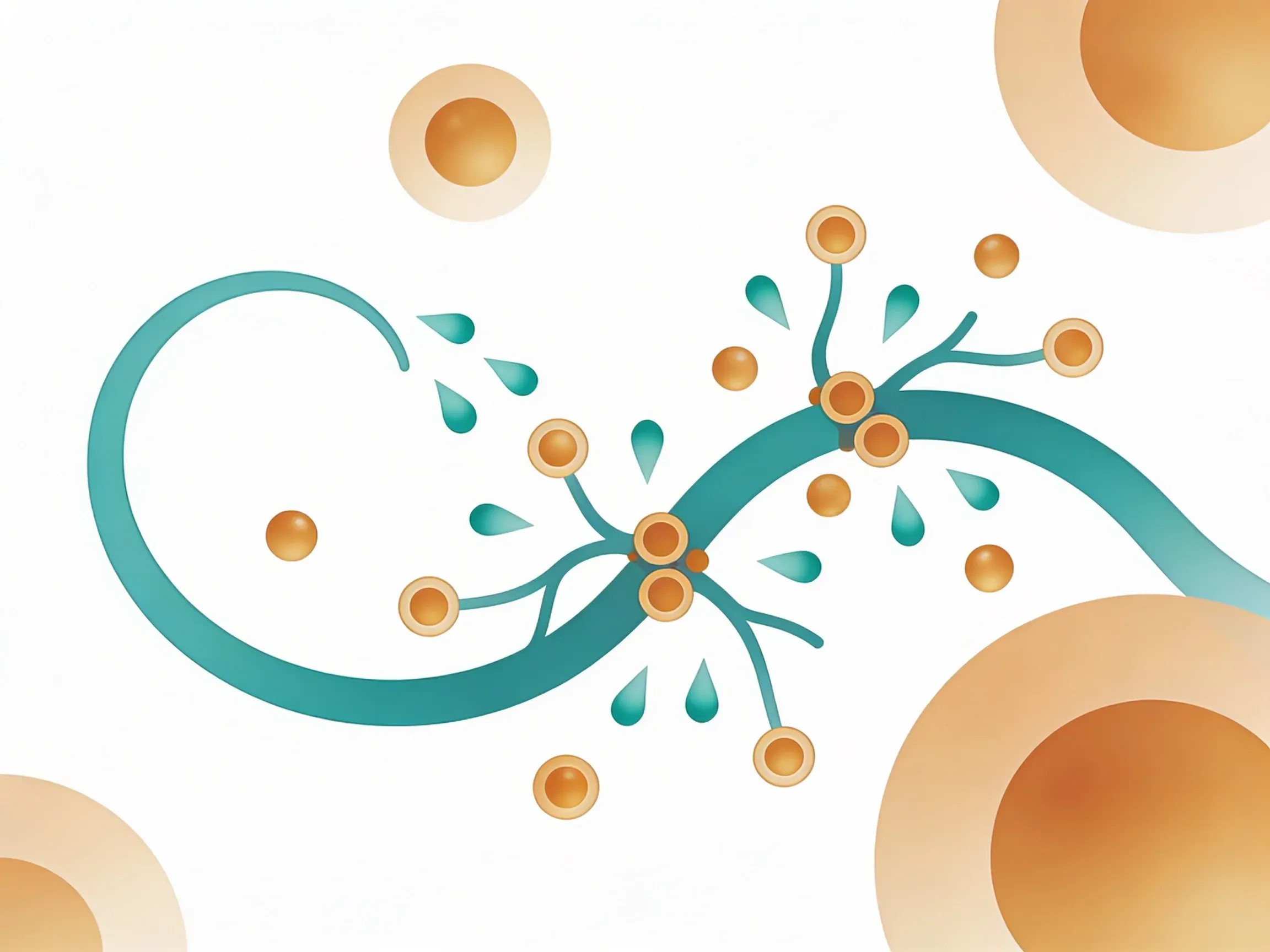
Your brain detects inflammation somewhere in your body. It sends a signal down the vagus nerve. The nerve releases a chemical called acetylcholine. This chemical tells immune cells to dial down their inflammatory response3.
Researchers call this the inflammatory reflex. It's your body's built-in system for preventing immune responses from getting out of control.
The vagus nerve doesn't just shut down inflammation everywhere. It fine-tunes the response. It can boost immunity when you need to fight an infection. And it can calm things down when inflammation starts damaging healthy tissue.
What Autoimmune Problems Are Scientists Studying?
Researchers have found vagus nerve dysfunction in several autoimmune problems:
- Rheumatoid arthritis -- Joint inflammation that affects millions
- Inflammatory bowel disease -- Including Crohn's disease and ulcerative colitis
- Autoimmune myocarditis -- Heart muscle inflammation
- Multiple sclerosis -- Though research here is more limited
The common thread? All of these involve long-term inflammation that the body struggles to control naturally.
A major trial called RESET-RA is currently testing whether vagus nerve stimulation can help people with rheumatoid arthritis4. This study recognizes that the inflammatory reflex gets disrupted in this problem.
But here's the important part: this research is still experimental. Scientists are studying whether targeting the vagus nerve might support standard treatments. Not replace them.
What Do the Latest Studies Actually Show?
Two major reviews in 2025 analyzed all the available research on vagus nerve stimulation and immune function12.
Here's what they found:
The good news: 60-80% of studies showed reductions in inflammatory markers. These include IL-6 and C-reactive protein. These are the chemicals your body makes when inflammation is high.
The mixed news: Results weren't consistent across all inflammatory markers. TNF-α is another key inflammation signal. It showed less reliable improvements.
The reality check: Most evidence comes from small studies and animal research. We need larger human trials to know if these effects are real and lasting.
The research suggests vagus nerve stimulation works through two main paths. Direct nerve endings release acetylcholine right at immune organs. And specialized T cells get activated and travel to the spleen. There they influence other immune cells3.
What's the Difference Between Device Types?
Researchers study two main types of vagus nerve stimulation:
Invasive (surgical): A device implanted under the skin with wires connected directly to the vagus nerve. This is FDA-approved for epilepsy and depression. But it requires surgery.
Non-invasive: Devices that stimulate the nerve through the skin. Usually at the ear. No surgery needed. Companies like Pulsetto make consumer versions of this technology.
Most autoimmune research uses the invasive type. It delivers stronger, more targeted stimulation. Non-invasive devices are gentler and easier to use. But we have less research on their immune effects.
For people interested in using vagus nerve stimulation, the non-invasive option offers a way to explore the technology. No medical procedures needed.
What Are Scientists Learning About Timing and Dosage?
One thing that makes this research tricky: nobody knows the best 'dose' of vagus nerve stimulation yet.
Studies use different:
- Stimulation strengths
- Session lengths (from minutes to hours)
- Frequencies (how often per day or week)
- Duration (weeks to months)
Some research suggests the anti-inflammatory effects might happen quickly. Within hours or days. But lasting changes to immune function could take weeks or months of consistent stimulation.
The connection between vagus nerve activity and heart rate variability gives researchers one way to measure whether stimulation is working. Higher HRV often correlates with better vagus nerve function. For autoimmune patients, this matters because HRV can track how well your body handles stress and inflammation. When your vagus nerve works better, your HRV typically improves, which may signal better inflammatory control.
Can You Boost Your Vagus Nerve Function Naturally?
While researchers study electrical stimulation devices, people often ask about natural approaches.
Some practices that may support vagus nerve function include:
- Deep breathing exercises: Try the 4-7-8 technique (inhale 4 counts, hold 7, exhale 8) for 10 minutes daily
- Cold water exposure: Start with 30-second cold showers, gradually increasing duration
- Singing or humming (vibrations may stimulate the nerve)
- Meditation and mindfulness practices
But let's be honest about the research here. Most vagus nerve stimulation studies use precise electrical devices. Not lifestyle practices. We don't know if natural approaches have the same immune effects seen in clinical trials.
The evidence for these natural methods comes mainly from studies on general vagus nerve function and stress reduction. Whether they can meaningfully impact autoimmune inflammation remains unclear. Think of them as supportive practices rather than primary interventions.
If you have an autoimmune problem, these practices might support your overall well-being. But they shouldn't replace your medical treatment.
Where Does This Research Go Next?
The RESET-RA trial for rheumatoid arthritis will give us our best data yet. It will show whether vagus nerve stimulation can help a specific autoimmune problem4.
Future research will likely focus on:
- Which autoimmune problems respond best
- Best stimulation protocols
- Combining vagus nerve approaches with existing treatments
- Long-term safety and effectiveness
Scientists are also exploring how the vagus nerve connects immune function to metabolism. This could open up new understanding of problems where immunity and metabolic health overlap3.
The bottom line? This field is moving fast, but we're still in the early stages. The inflammatory reflex is real, and targeting it makes biological sense. Whether it translates to meaningful help for people with autoimmune problems -- that's what current studies are working to find out.