Wondering what actually works for your vagus nerve?
Can One Nerve Really Control Your Immune System?
Evidence-reviewed by Vagus Lab Research Team |Last updated July 29, 2026|7 min read
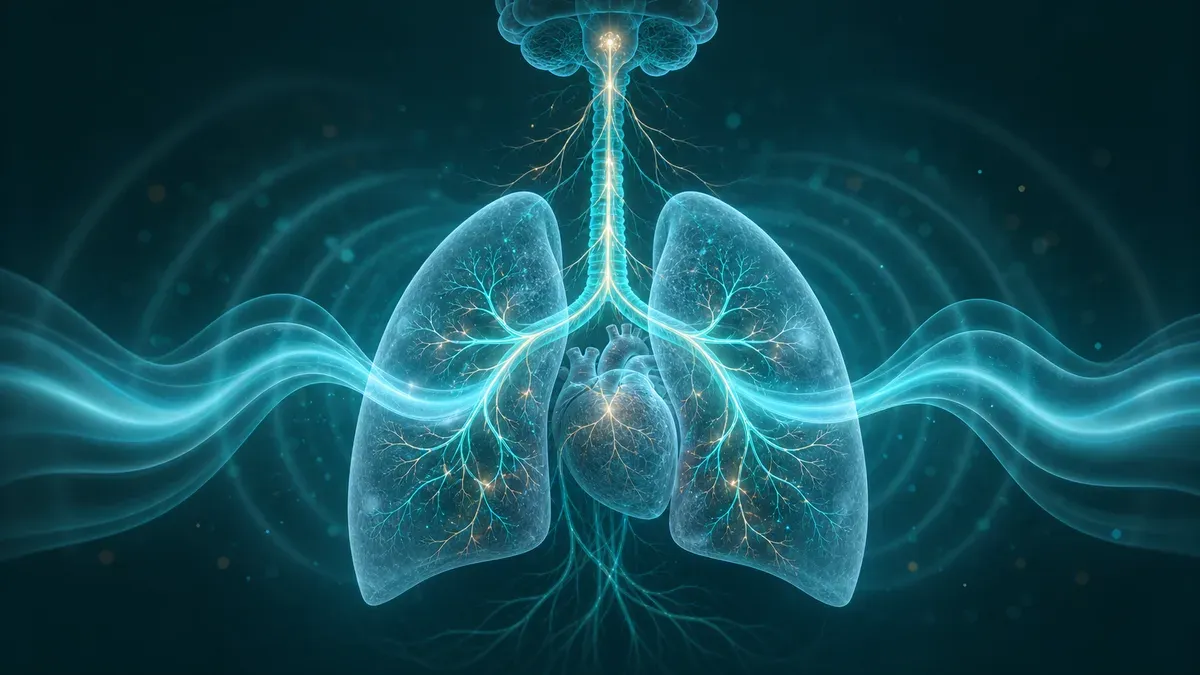
The vagus nerve controls immune system responses by regulating cytokine production and inflammation. When vagal tone is healthy, it prevents immune overreactions while maintaining strong defenses against infections.
Ever wonder why some people rarely get sick while others catch every bug going around? The answer might lie in a single nerve that most people have never heard of. Your vagus nerve acts as mission control for your immune system, regulating inflammation and helping your body fight infections while preventing harmful overreactions1.
How Does the Vagus Nerve Control Your Immune System?
Think of your vagus nerve as the conductor of your body's immune orchestra. It doesn't just watch from the sidelines -- it actively shapes how your immune system responds to threats.
When you encounter a virus or bacteria, your vagus nerve detects the danger early. It then coordinates two crucial responses. First, it allows your immune system to mount an appropriate defense. Second, it prevents that response from going overboard and causing harmful inflammation.
This nerve controls the production of cytokines. These are the chemical messengers that fuel inflammation. When your vagal tone is healthy, it keeps these inflammatory signals in check. But when vagus nerve function weakens, inflammation can spiral out of control.
What Happens When Your Vagus Nerve Gets Disrupted?
Chronic stress is the biggest disruptor of this delicate balance. When you're constantly stressed, your sympathetic nervous system stays stuck in "fight or flight" mode. This suppresses vagus nerve activity and throws your immune system off track1.
Here's where it gets concerning:
Your body starts producing too many inflammatory chemicals. These were meant to fight short-term threats. Now they're circulating constantly. This chronic inflammation weakens your immune defenses over time.
Even worse? Your vagus nerve loses its ability to signal "all clear" after threats pass. So your immune system stays revved up even when it should be resting and recovering.
This dysfunction can contribute to autoimmune conditions. It also makes you more vulnerable to infections. Recovery slows down too.
But here's the encouraging part: this damage isn't permanent. Your nervous system has remarkable healing capacity when given the right support.
Which Daily Habits Support Both Systems?
The good news? Simple lifestyle changes can strengthen both systems at once. These practices work because they improve overall vagal tone while giving your immune system what it needs to function properly.
Get quality sleep consistently. Your vagus nerve does much of its repair work while you sleep. Aim for 7-9 hours nightly. Poor sleep directly weakens both vagal tone and immune function.
Move your body regularly. Exercise boosts vagus nerve activity. It also enhances immune cell circulation. Even a 20-minute daily walk makes a difference. Just don't overdo it -- excessive exercise can temporarily suppress immunity.
Stay properly hydrated. Dehydration stresses your nervous system and impairs immune cell function. Your vagus nerve needs adequate fluid levels to transmit signals effectively. Aim for half your body weight in ounces daily.
Here's the game-changer:
Practice stress management. Chronic stress is the enemy of both systems. Try deep breathing, meditation, or vagus nerve stimulation techniques that activate your parasympathetic nervous system.
Eat anti-inflammatory foods. Your gut houses 70% of your immune system and connects directly to your vagus nerve. Focus on omega-3 rich fish, colorful vegetables, and fermented foods.
Try this 60-second immune-boosting reset: 1. Inhale through your nose for 4 counts 2. Hold for 2 counts 3. Exhale slowly through your mouth for 8 counts 4. Repeat 4-5 times The long exhale maximizes vagus nerve activation and shifts you into "rest and repair" mode.
Can Breathing Exercises Really Boost Your Immune Function?
Yes, but the mechanism might surprise you. Deep, slow breathing doesn't directly kill viruses or bacteria. Instead, it optimizes the communication between your brain and immune system2.
When you breathe slowly and deeply, you activate your vagus nerve. This shifts your nervous system from stress mode into "rest and digest" mode. In this state, your immune system can work more efficiently.
But there's a catch:
Not all breathing patterns work equally well. The exhale needs to be longer than the inhale. That's what triggers the vagus nerve response. Quick, shallow breaths won't cut it.
Many people notice they get sick less often when they practice this daily. That's your vagus nerve doing its job -- keeping inflammation in check while maintaining strong immune defenses.
Your heart rate variability improves within minutes too. This signals better nervous system balance.
How Quickly Can You See Immune Benefits?
Some effects happen quickly, while others build over time. Here's the realistic timeline:
Minutes: What Changes: Nervous system shifts to "rest and repair" -- Why It Matters: Creates optimal conditions for immune function
Days: What Changes: Inflammatory markers start dropping -- Why It Matters: You feel less run down and depleted
Weeks: What Changes: Baseline vagal tone improves -- Why It Matters: Better immune responses and faster recovery
Months: What Changes: Long-term resilience builds -- Why It Matters: Less frequent illness (fewer than 2-3 colds per year), more stable energy
The key is consistency. Your vagus nerve responds better to daily gentle stimulation than occasional intense efforts.
Healthy vs. Disrupted Vagus-Immune ConnectionWhen Working Well: - Quick recovery from infections - Balanced inflammation responses - Stable energy levels - Good stress resilience When Disrupted: - Frequent colds and infections - Chronic inflammation - Persistent fatigue - Slow wound healing
Frequently asked questions
How does the vagus nerve control the immune system?
The vagus nerve acts like a conductor, coordinating immune responses by detecting threats early and controlling cytokine production. It allows appropriate immune defenses while preventing harmful inflammation from spiraling out of control. This nerve essentially serves as mission control for your entire immune system.
What happens to immunity when the vagus nerve is disrupted?
When vagus nerve function weakens from chronic stress, the body produces too many inflammatory chemicals that were meant for short-term threats. This chronic inflammation weakens immune defenses, makes you more vulnerable to infections, and can contribute to autoimmune conditions.
Can breathing exercises really boost immune function?
Yes, deep breathing with longer exhales activates the vagus nerve and shifts your nervous system into 'rest and repair' mode. This optimizes communication between your brain and immune system, allowing immune cells to work more efficiently rather than directly fighting infections.
How quickly can you see immune benefits from vagus nerve practices?
Some effects happen within minutes as your nervous system shifts to 'rest and repair' mode. Inflammatory markers start dropping within days, baseline vagal tone improves over weeks, and long-term immune resilience builds over months with consistent daily practice.
What daily habits support both vagus nerve and immune health?
Quality sleep for 7-9 hours nightly, regular moderate exercise, stress management through breathing or meditation, and anti-inflammatory foods like omega-3 rich fish and fermented foods. These practices work because they improve vagal tone while supporting immune function simultaneously.
The Vagus Lab Research Team reviews the latest scientific evidence on vagus nerve stimulation and translates it into accessible health education content.