Buying guide
Best ear vagus nerve stimulation device in 2026
The ear is where this field did its research. If you are looking specifically at ear worn devices rather than neck ones, that is the right instinct, and it narrows the field to four.
The short answer
Nurosym, sold as Nuropod in the US at $900, is the one to pick if the research is why you are here. It is the only consumer ear device whose hardware is named in the methods of a sham controlled trial. Everything cheaper on this page is a reasonable experiment rather than an evidence purchase.
Check the current Nurosym priceDisclosure: Vagus Lab may earn a commission if you buy through links on this page. It does not change how we score devices. Our method is published and applied the same way to devices we have no commercial relationship with.
Why the ear, and why it matters for what you buy
A branch of the vagus nerve surfaces close to the skin at the tragus, the small flap of cartilage in front of the ear canal. It is the most accessible point on the body for reaching the nerve through the skin, and that accident of anatomy is why nearly all published transcutaneous research used it.
Several trials used the ear lobe as their sham condition precisely because it has little vagal innervation. So when you read that a study found an effect for ear stimulation, the comparison was usually the same device on a different part of the same ear.
The practical consequence: if you are buying because you read the literature, the ear family is the one that literature describes. Neck devices are easier to live with and have far less published record behind them.
The four ear devices, ranked
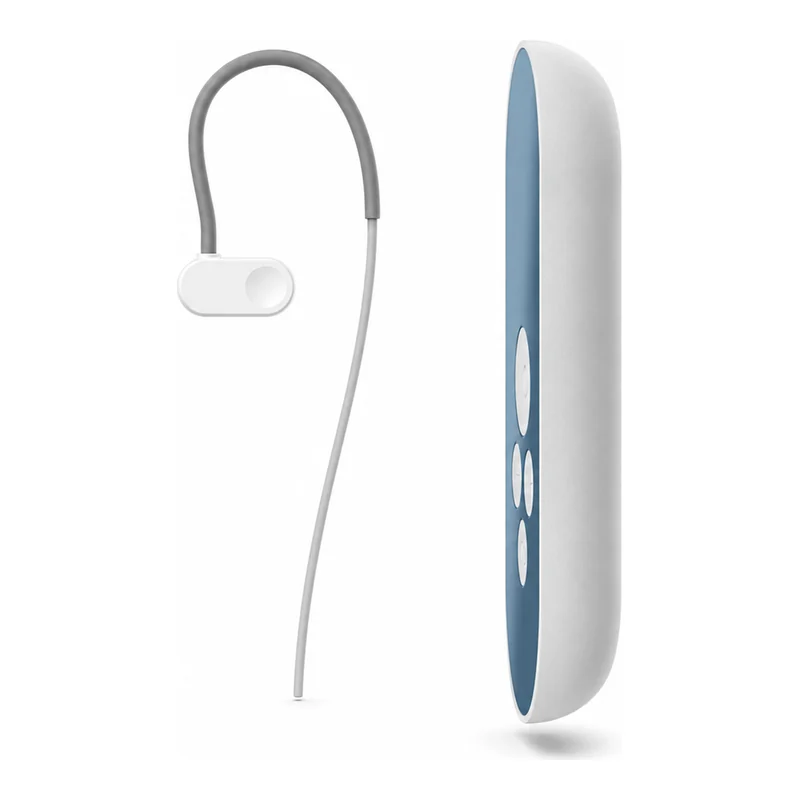
1. Nurosym, sold as Nuropod in the US
$900Wired clip on the tragus, 30 to 60 minutes daily.
Evidence: The only one here named in published trial methods: a sham controlled RCT in postural tachycardia syndrome and a long COVID pilot.
Best for: Anyone buying the published record rather than the convenience.
Watch out: The daily hour, and a clip that does not stay on every ear shape.
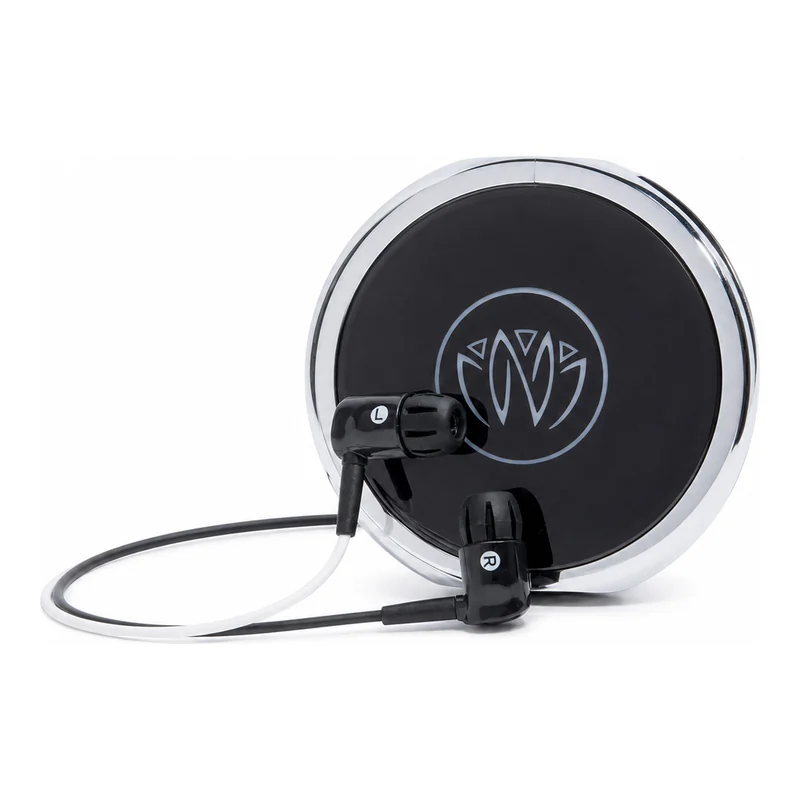
2. Xen by Neuvana
$449Wired earbuds that sync stimulation to whatever you are listening to.
Evidence: No published trials name this device.
Best for: People who want the session to feel like listening to music rather than treatment.
Watch out: Short battery life, and you are wearing earbuds for the duration.
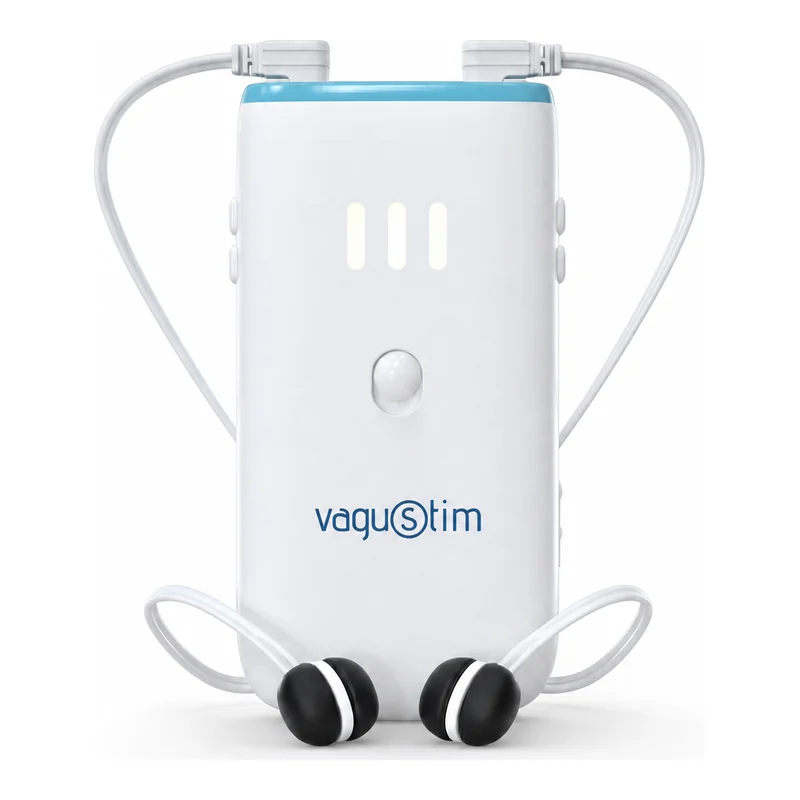
3. Vagustim V2
$419Ear pieces with an app and four stimulation modes.
Evidence: No published trials name this device.
Best for: People who want mode selection and in app tracking at a mid price.
Watch out: Public feedback on earpiece comfort and app quality is mixed.
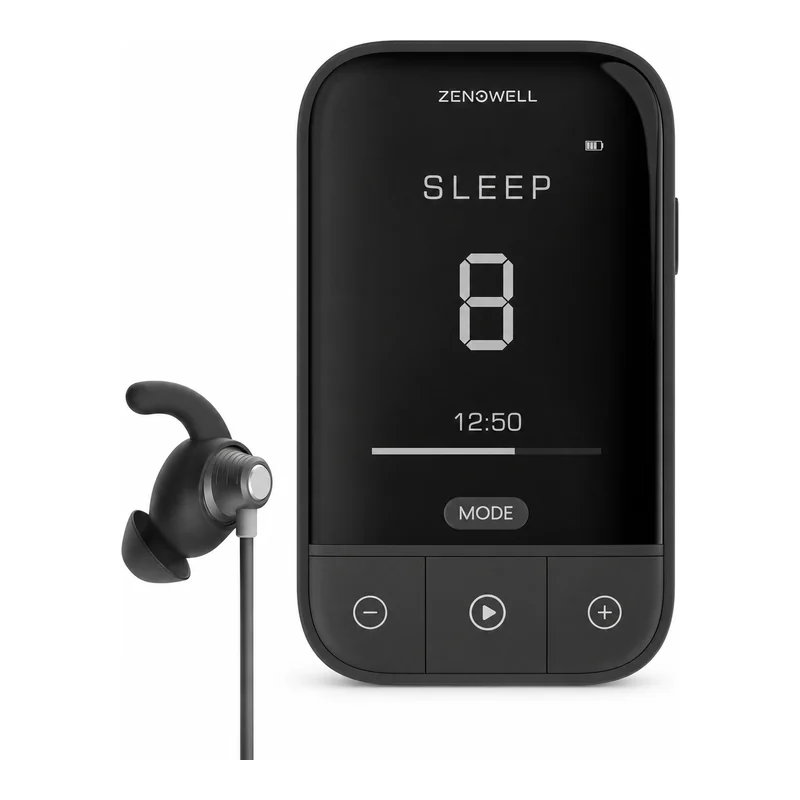
4. ZenoWell Vita
$269Ear piece, the cheapest current auricular option we could verify.
Evidence: No published trials name this device. Newer entrant with little independent feedback yet.
Best for: Trying the ear approach at the lowest verified price.
Watch out: Listings vary by storefront, and we have no independent evidence on it.
Prices checked with each vendor in July 2026. They move, so treat them as a starting point.
The thing that decides it for a lot of people
Ear anatomy varies more than the marketing photographs suggest, and clips do not adapt to all of it. Users across brands report being unable to keep the earpiece on the tragus, and it is one of the more common reasons an ear device goes back.
There is no way to know in advance whether it will fit yours. The practical move is to try it in the first week of the return window rather than leaving it in a drawer until week four.
What to expect, honestly
Ear stimulation has the deepest record in this field, and that record is still early. The reviews that find benefits for sleep and mood grade their own evidence as low to very low quality, and one pooled analysis of healthy participants found no acute effect on heart rate variability at all.
Our full read of the evidence sets out what holds up and what does not. Worth five minutes before spending $900.
If you have an implanted electronic device, or anything metallic near the tragus that cannot be removed, check the safety guide before buying.
Frequently asked questions
Because a branch of the vagus nerve surfaces close to the skin at the tragus, the small flap in front of the ear canal. It is the most accessible point on the body for reaching the nerve through the skin, which is why nearly all published transcutaneous research used it.