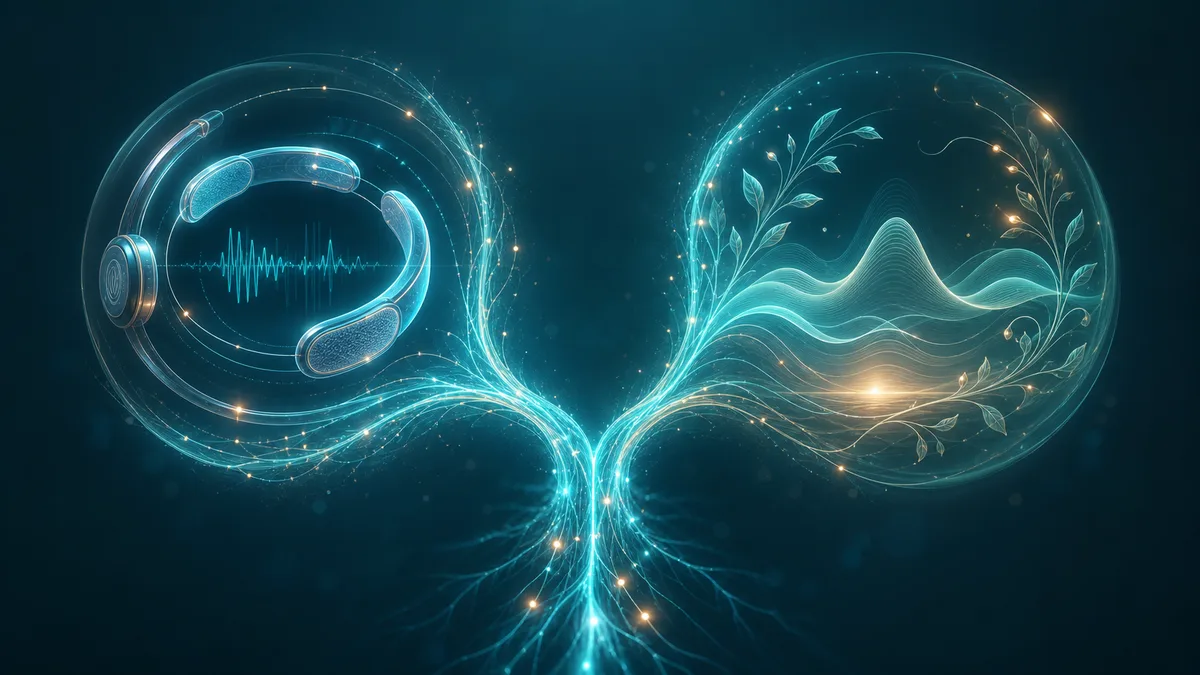
Your heart races during that big meeting. Your mind won't quiet down before bed. The question isn't whether your vagus nerve could help -- it's how to wake it up. You have two main paths: electrical devices or natural methods like breathing and cold water.
What's the Difference Between VNS Devices and Natural Methods?
Vagus nerve devices send controlled electrical pulses to your vagus nerve. They use electrodes on your ear or neck. These gadgets create a steady signal that turns on your calm-down system.
Natural methods work through your body's existing paths. Deep breathing massages your vagus nerve through diaphragm movement. Cold water triggers the dive reflex. This is an old mammalian response that slows your heart rate.
Both ways target the same goal. They want to shift you out of stress mode and into calm.
The key difference? VNS devices give direct, steady input. Natural methods rely on indirect activation through things your body already knows how to do.
How Do VNS Devices Actually Work?
Most VNS devices clip to your ear or rest against your neck. They send tiny electrical pulses to stimulate the vagus nerve branches near your skin. Usually you barely feel them.
Think of it like a gentle electrical massage for your nervous system. The device fires at specific frequencies. These are designed to turn on calm responses without causing discomfort.
Medical-grade VNS devices need professional oversight. Consumer wellness devices like ear-clip units are made for daily home use. They offer preset programs. Maybe a 20-minute "calm" session or a quick "focus" boost.
The appeal is consistency. You clip it on, press a button, and get the same input every time. No technique to master. No wondering if you're doing it right.
How Do Natural Methods Wake Up Your Vagus Nerve?
Natural vagus nerve activation works through several paths your body already uses:
Breathing exercises create pressure changes in your chest. When you take a slow, deep breath and exhale even slower, your diaphragm massages the vagus nerve. The 4-7-8 pattern works well. Inhale for 4, hold for 7, exhale for 8. The long exhale turns on calm responses.
Cold water triggers the dive reflex. This response evolved to help mammals survive underwater. Cold water on your face or neck tells your vagus nerve to slow your heart rate. Even cold showers can turn on this response.
Meditation influences vagal tone through relaxation responses. Regular practice seems to strengthen the nerve's baseline activity. But researchers aren't sure of the exact mechanism.
Gentle physical techniques like humming or light neck stretches may stimulate the vagus nerve through vibration or pressure. The evidence is limited. But many people report feeling calmer after these activities.
The catch? Natural methods need practice. You need to learn the technique, remember to use it, and often repeat it several times to feel the effect.
Which Approach Works Faster for Stress Relief?
VNS devices usually produce effects within minutes. You clip on the device, start a session, and many users report feeling calmer within 10-20 minutes. The input is direct and doesn't depend on your skill level.
Natural methods vary more. Cold water on your face can shift your nervous system in seconds through the dive reflex. Deep breathing exercises might take 2-5 minutes to create noticeable calm. But building long-term vagal tone through natural practices can take weeks or months of steady work.
Here's what many people miss: speed isn't everything. VNS devices give quick relief. But they don't always teach your nervous system to regulate itself better over time. Natural methods might take longer to master. But they build skills you can use anywhere, anytime.
If you need help right now during a panic attack, a VNS device might be more practical. If you want to build resilience and reduce baseline anxiety over time, natural methods with regular practice might serve you better.
Key takeaway: VNS devices work fast but natural methods build lasting skills your nervous system can use without any gadgets.
What About Cost and Access?
Natural vagus nerve activation methods cost almost nothing. You can practice deep breathing, take cold showers, or try meditation without any equipment. The barrier is time and consistency, not money.
VNS devices range from $200 for basic consumer models to several thousand dollars for medical-grade units. Most wellness-focused devices fall in the $300-800 range. That's a one-time cost, but it's big for many people.
There's also the learning curve difference. Natural methods need you to develop skills. Proper breathing technique, meditation practice, or slowly building cold tolerance. VNS devices work from day one. But you depend on the technology.
Access matters too. Natural methods work anywhere. You can do breathing exercises in your car. Meditate in your bedroom. Or splash cold water on your face in any bathroom. VNS devices need charging. They can be forgotten at home. And they might not work well in all social situations.
Can You Use Both Approaches?
Many users find success combining VNS devices with natural methods. They don't treat them as either-or options.
You might use a VNS device for steady daily sessions. Maybe 20 minutes while reading or watching TV. Then rely on natural methods for on-the-spot stress management throughout the day. Or use the device during really stressful periods while building your natural vagal tone through regular breathing practice.
Some people start with VNS devices to experience what vagus nerve activation feels like. Then slowly add natural methods as they become more aware of their nervous system responses.
The combination approach makes sense for another reason: backup. If your device battery dies during a stressful moment, you still have natural techniques. If you're in a situation where breathing exercises aren't practical, the device gives an alternative.
You might also find that certain approaches work better for specific situations. Cold water for acute stress moments. A VNS device for daily maintenance. Breathing exercises when you can't use anything else.
The Bottom Line: What Works for Your Life?
The "better" choice depends on what you value most:
Choose VNS devices if you want steady, measurable input without learning new skills. They work well for people who struggle with meditation or breathing exercises. Or who prefer technology-based solutions. Or who need reliable stress relief during busy schedules.
Choose natural methods if you want to build long-term nervous system strength without spending money. They're ideal for people who enjoy learning body-based skills. Who want techniques they can use anywhere. Or who prefer not to depend on devices.
Many people benefit from both. Start where your motivation is highest. Whether that's trying a new gadget or learning an old breathing technique. As you experience how vagus nerve activation feels, you can explore other approaches.
The research on comparing these methods directly is still limited. What matters most is finding something you'll actually use steadily. An unused VNS device and an unpracticed breathing technique give exactly the same benefit: none.
If you're curious about when to use VNS for the best results, timing can make a difference in how effective either approach feels.