Cold Exposure vs VNS Devices: Which Beats Stress Faster?
Your heart pounds during that big presentation. Your chest tightens before a difficult conversation. When stress hits hard and fast, you need relief that actually works. Two approaches show promise: cold exposure and vagus nerve stimulation (VNS) devices. Both research suggests may help reduce stress by activating your calm nervous system, but they work in completely different ways.
Cold therapy triggers an ancient survival response instantly but requires repeated exposure to build lasting benefits. VNS devices deliver steady electrical pulses, with clinical studies showing 60% of participants with treatment-resistant conditions experienced significant anxiety improvement after six months of use1.
How Does Cold Exposure Calm Your Nervous System?
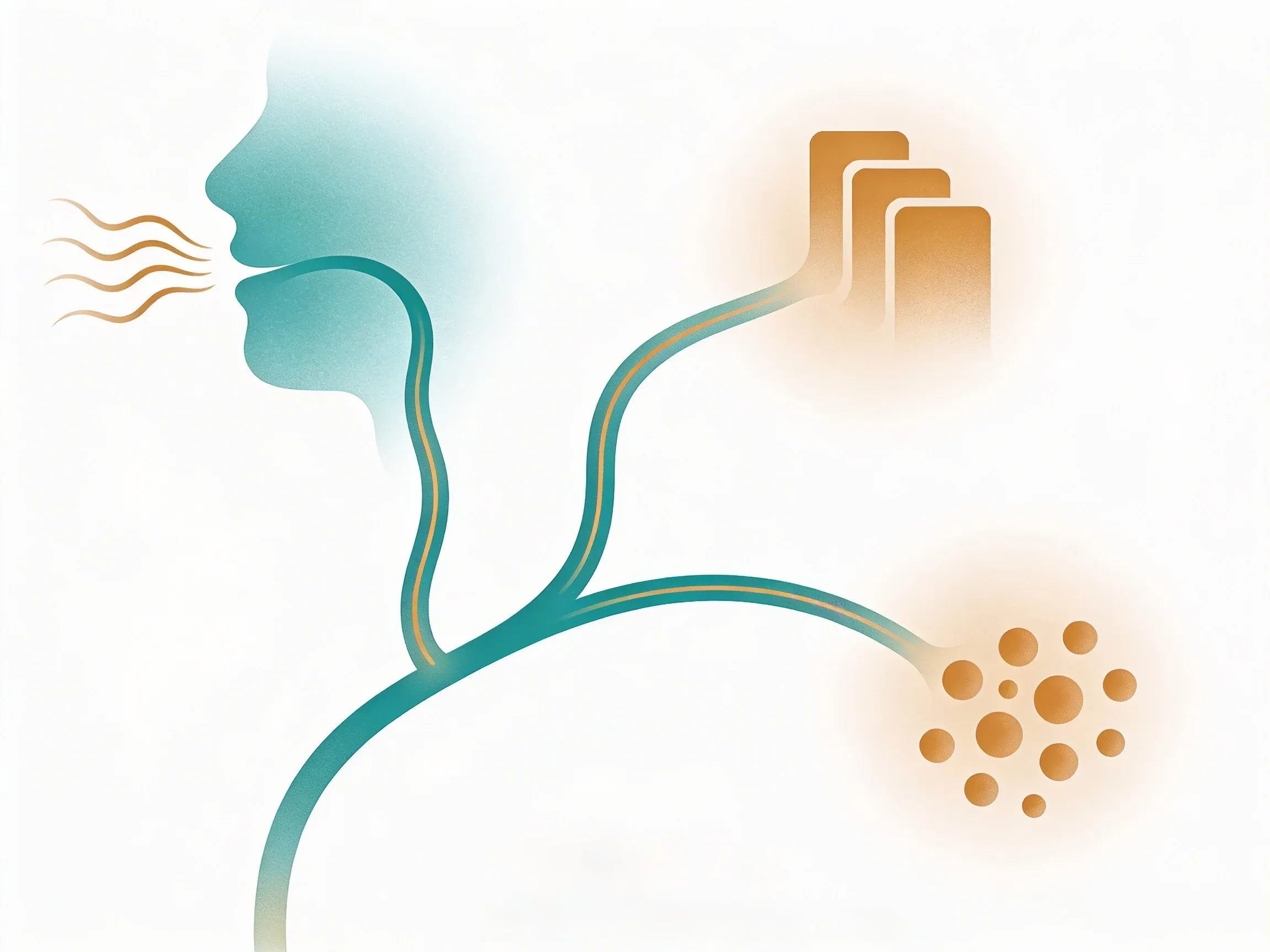
Cold exposure activates your vagus nerve through the dive reflex. This ancient survival response kicks in when cold hits your face, especially around your eyes and forehead.
Think of it like a circuit breaker that instantly reroutes electrical flow. The moment cold water touches specific facial nerve endings, your body detects what it interprets as an underwater dive threat. This triggers an immediate parasympathetic response: your heart rate drops, breathing slows, and blood flow redirects to vital organs. The nervous system switches from fight-or-flight into conservation mode within seconds.
Studies show cold exposure may boost parasympathetic activity and build vagal tone over time2. Regular cold therapy has been linked to lower stress hormone responses and greater stress resilience. The best part? It works immediately and costs nothing.
You can trigger this response with:
- Cold water splashed on your face
- Ice packs placed over your eyes
- Cold plunges or showers
- Even holding a frozen water bottle to your forehead
How Do VNS Devices Target Stress Relief?
While cold exposure relies on triggering natural reflexes, VNS devices take a more direct approach to vagus nerve activation.
VNS devices send precise electrical pulses directly to your vagus nerve through your ear. Unlike cold exposure, which triggers reflexes, these devices stimulate the nerve with controlled doses.
The electrical pulses may help lower heart rate and reduce stress markers during stress responses. It's like having a personal trainer for your nervous system - each session gradually strengthens your parasympathetic pathways through consistent, measured stimulation over time.
Clinical trials suggest VNS devices may provide lasting anxiety relief. In studies of treatment-resistant cases conducted in controlled clinical settings, 60% of participants experienced significant improvement after six months3. The pulses are consistent and don't depend on your willingness to endure cold temperatures.
Most devices clip to your ear and send gentle pulses you can adjust. Users often feel mild tingling or slight neck discomfort, but serious side effects are rare.
Which Method Works Faster for Quick Relief?
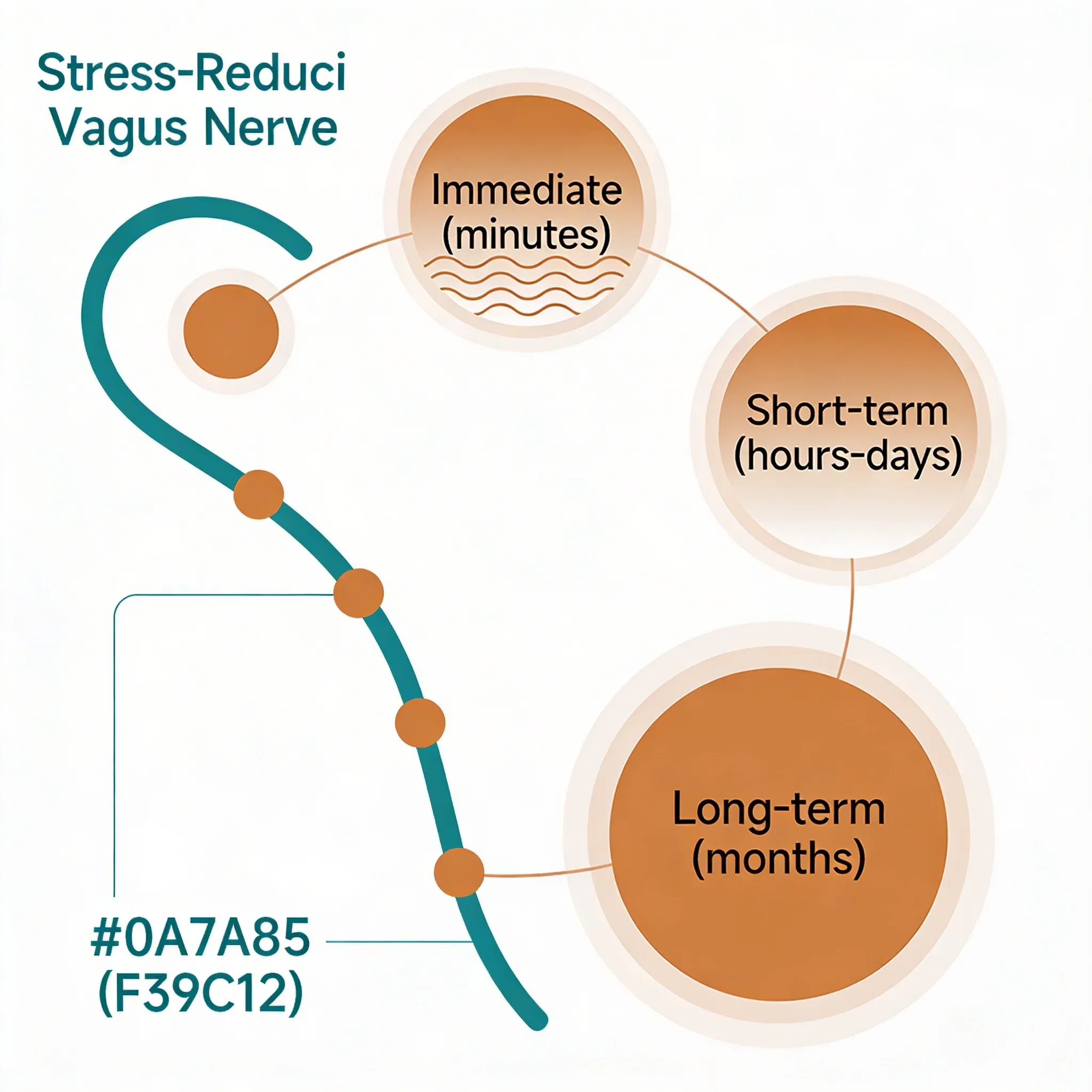
For instant stress relief, cold exposure wins decisively.
The dive reflex activates within seconds. Splash cold water on your face during a panic attack, and your heart rate drops almost immediately. Your breathing naturally slows. That fight-or-flight surge begins to fade.
VNS devices take longer to show acute effects. They're designed for regular, consistent use rather than emergency stress relief. Most people use them for 20-30 minutes daily to build baseline calm over weeks and months.
Here's the key distinction: speed isn't everything. Cold exposure provides a quick reset, but the effects are temporary. VNS devices work more like a gradual nervous system retraining program.
What Are the Real-World Trade-Offs?
Each approach has distinct advantages and limitations:
Cold Exposure:
- Best for: Immediate stress relief, building resilience over time
- Speed: Works within seconds
- Cost: Free (ice, cold water)
- Convenience: Can be done anywhere with preparation
- Downsides: Not safe for heart conditions, effects are temporary
VNS Devices:
- Best for: Daily stress management, treatment-resistant anxiety
- Speed: Takes weeks to build consistent effects
- Cost: $200-500+ for quality devices
- Convenience: Hands-free, precise dosing
- Downsides: Requires purchase, mild side effects possible
The safety factor matters significantly. Cold plunges aren't safe for everyone, especially people with cardiovascular concerns. VNS devices offer a gentler option for those who can't handle temperature extremes.
Can You Use Both Methods for Better Results?
Yes. Many people combine both approaches strategically.
Use cold exposure for acute stress moments - that work deadline panic or racing heart after a difficult conversation. Use VNS devices for daily maintenance, building your nervous system's baseline resilience.
Both methods can be enhanced with controlled breathing techniques. Slow, deep breathing during cold exposure may amplify the vagal response. The same breathing patterns work well during VNS device sessions, potentially enhancing the parasympathetic activation.
Some users report that combining approaches creates a synergistic effect. The immediate relief from cold exposure pairs well with the gradual strengthening from regular VNS use. You're training your nervous system from multiple angles.
Consult your healthcare provider before starting any new stress management program, especially if you have cardiovascular concerns. Neither approach should replace professional treatment for anxiety or depression.