Wondering what actually works for your vagus nerve?
Vagus Nerve Stimulation vs Meditation: Which Helps Focus?
Evidence-reviewed by Vagus Lab Research Team |Last updated July 28, 2026|8 min read
VNS devices may work faster for working memory tasks, while meditation builds broader attention control over time. Research suggests combining both approaches may provide the best focus improvements.
It's 3 PM and your brain feels like molasses. That afternoon slump hits just as you need to tackle your most demanding work. Or maybe you're staring down a deadline, but your thoughts scatter like leaves in the wind. Sound familiar?
Both electronic vagus nerve stimulation (VNS) devices and meditation offer paths out of this mental fog by activating the same neural pathways. Research suggests VNS devices may affect working memory performance more quickly, while meditation builds broader attention control over time. The most effective approach might be combining both rather than choosing one over the other.
How Do VNS Devices and Meditation Target Your Brain Differently?
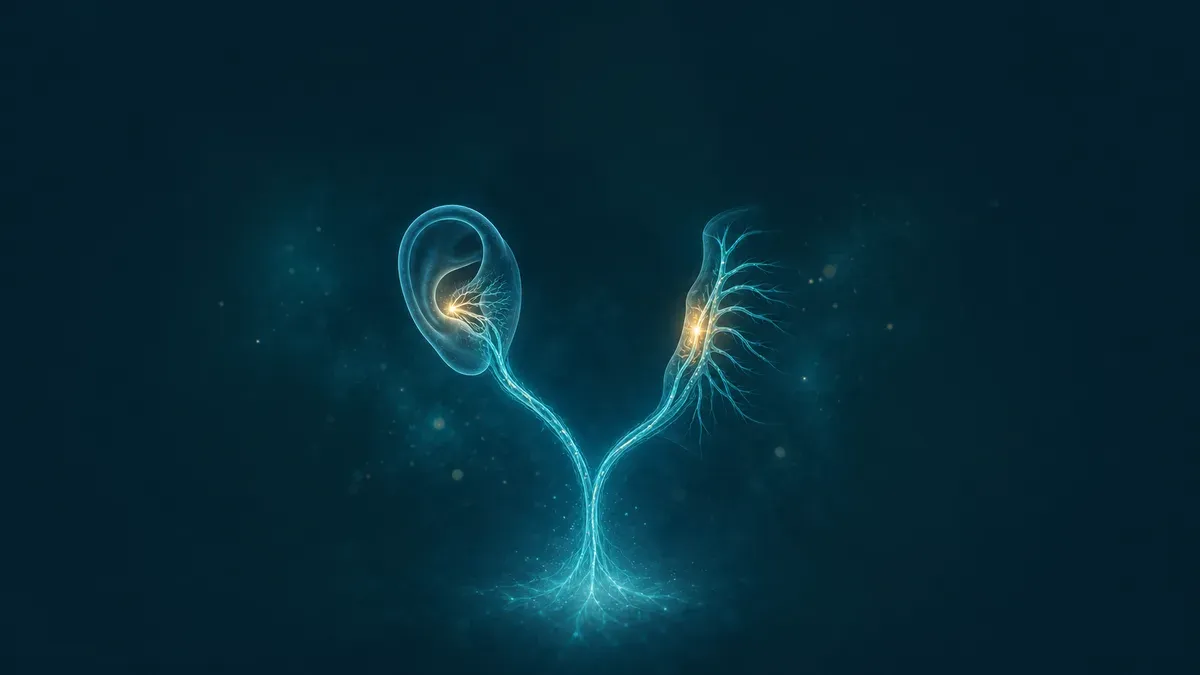
VNS devices and meditation both activate your vagus nerve, but through completely different mechanisms.
Electronic VNS devices deliver precise electrical pulses to your vagus nerve through electrodes placed on your ear. These electrical signals travel directly up the nerve to your brainstem, then spread to brain regions including the cingulate cortex. This brain area plays a crucial role in cognitive control networks -- coordinating attention, monitoring conflicts between competing thoughts, and maintaining focus on goals. The electrical stimulation provides consistent, measurable input that doesn't depend on your mental state or effort.
Think of VNS like jump-starting a car -- it provides immediate electrical input to get your brain's attention systems running right away. The electrical charge bypasses your body's natural warm-up process and delivers direct stimulation to the neural circuits you need for focus.
Meditation works through your breathing patterns and body awareness. When you breathe slowly and deeply -- about 6 breaths per minute -- you naturally stimulate your vagus nerve through diaphragm movement and changes in heart rate variability1. This breathing pattern creates a 0.1 Hz rhythm that your nervous system synchronizes with. Unlike electrical stimulation, this approach relies on your body's natural feedback loops and requires active participation.
Meditation is more like gradually warming up an engine -- you're building heat and efficiency through natural processes that take time to reach optimal performance. The breathing and awareness practices slowly activate your body's own regulatory systems until they run smoothly on their own.
Both methods activate similar brain networks for attention and focus. But VNS provides direct electrical input regardless of your skill level, while meditation builds strength in your natural regulatory systems through practice.
Which Approach Shows Stronger Research for Mental Performance?
Meditation has decades of solid research behind it. Studies consistently show meditation improves attention control, working memory, and mental flexibility. The benefits appear after single sessions. They grow stronger with regular practice.
VNS device research is newer but promising. A 2023 study found that combining transcutaneous auricular VNS with slow breathing improved working memory performance. It worked better than either technique alone1. Another 2024 review highlighted VNS effects on various mental functions. But researchers note the evidence base is still developing2.
Here's the key difference: meditation research spans thousands of studies over 40+ years. VNS mental research is maybe 10 years deep. It has smaller sample sizes.
But VNS studies often show faster initial effects. You might notice focus improvements within minutes of using a device. Meditation benefits typically build over weeks or months of practice.
Can You Stack VNS and Meditation for Better Results?
Research suggests yes -- and this might be the sweet spot.
A 2023 study tested combining VNS devices with 0.1 Hz breathing. This is the meditative breathing rate. The combination showed better working memory results than either technique used alone1.
Here's why this makes sense:
VNS gives consistent electrical stimulation
Meditation adds rhythmic breathing that naturally supports vagus nerve activation
Together, they create multiple pathways to the same mental benefits
The researchers found that slow-paced breathing enhances VNS effects. It might work by syncing your natural vagal rhythms with the device's electrical input.
This approach might work especially well if you're already comfortable with meditation. But you want faster or more consistent results.
What Are the Practical Differences for Daily Use?
While the research shows promising results for both approaches, understanding how VNS and meditation fit into your actual daily routine reveals important differences that might influence your choice.
The day-to-day reality of each approach looks quite different.
Meditation:
Needs 10-20 minutes of focused attention
Takes weeks to months for noticeable mental changes
Free once you learn the technique
Works anywhere, no equipment needed
Builds broader life skills like emotional regulation
For people who struggle with traditional meditation -- racing thoughts, physical discomfort, or time constraints -- VNS devices might offer a more accessible entry point.
But meditation teaches you skills that extend beyond mental performance. You learn to manage stress, regulate emotions, and maintain awareness throughout your day.
Which Should You Choose for Your Focus Goals?
The honest answer? It depends on your situation and preferences.
Choose meditation if you:
Want comprehensive mental training, not just focus
Prefer learning skills over using devices
Have budget constraints
Enjoy the ritual and mindfulness aspect
Can commit to daily practice
Try VNS devices if you:
Struggle with traditional meditation techniques
Want faster initial results
Prefer passive approaches that don't need active attention
Have specific working memory or focus challenges
Are willing to invest in technology
Consider both if you:
Already meditate and want to enhance your practice
Have demanding mental work that benefits from multiple approaches
Are curious about optimizing your mental performance
Want the fastest path to focus improvements
Research suggests the combination approach might give you the best of both worlds. You get fast VNS effects plus the long-term brain changes that meditation gives you1.
Frequently asked questions
How long does it take to see mental benefits from a vagus nerve stimulation device versus meditation?
VNS devices may show working memory improvements within a single session. Meditation typically needs 2-8 weeks of regular practice for noticeable mental changes. But meditation's effects tend to be more comprehensive and long-lasting.
Can I use a VNS device while meditating for better results?
Yes, research supports this combination. A 2023 study found that using VNS with slow breathing meditation enhanced working memory more than either technique alone. The approaches appear to work synergistically.
Are vagus nerve stimulation devices safe for daily use to improve focus?
VNS devices appear safe for healthy adults in research studies. But they're not FDA-approved for mental enhancement. Individual responses vary. More research is needed on long-term daily use for focus improvement.
What's the difference between breathing exercises and a vagus nerve device for improving focus?
Breathing techniques naturally stimulate the vagus nerve through diaphragm movement and heart rate changes. Electronic VNS gives direct electrical stimulation to the nerve. Both activate similar brain regions but through different mechanisms.
Which approach is more cost-effective for improving mental performance long-term?
Meditation is more cost-effective long-term. It needs no ongoing expenses after learning the technique. VNS devices have upfront costs ($100-400+) plus potential maintenance. But they may give faster initial results for some people.
The Vagus Lab Research Team reviews the latest scientific evidence on vagus nerve stimulation and translates it into accessible health education content.