Wondering what actually works for your vagus nerve?
How Your Vagus Nerve Fights Gut Inflammation
Evidence-reviewed by Vagus Lab Research Team |Last updated July 28, 2026|7 min read
The vagus nerve fights gut inflammation through the cholinergic anti-inflammatory pathway, directly reducing inflammatory molecules like TNF and maintaining intestinal barrier integrity to prevent systemic inflammation.
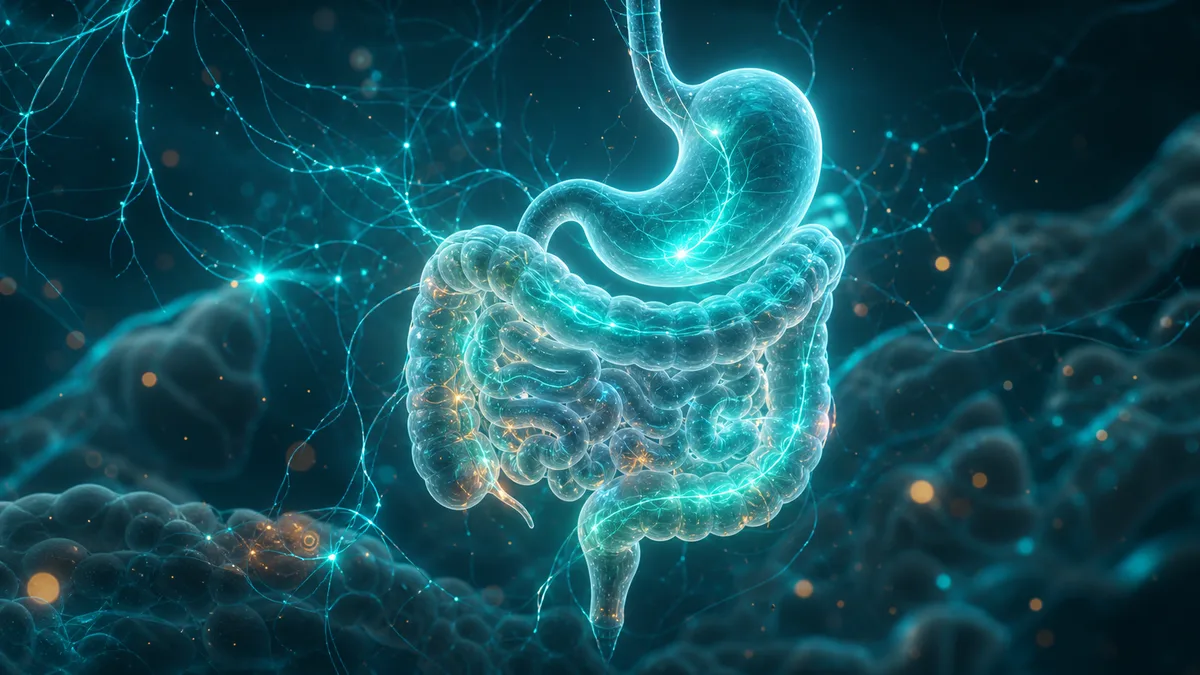
Ever notice how stress hits your stomach first? That knot in your gut during a presentation, the digestive chaos after bad news—there's real science behind this gut feeling. Early research suggests your vagus nerve may help reduce harmful molecules like tumor necrosis factor (TNF) in your gut. It also helps maintain your intestinal barrier integrity. This prevents gut leakage issues that can trigger inflammation throughout your body1.
What Is the Vagus Nerve's Role in Gut Health?
Think of your vagus nerve as a smart home security system that continuously monitors for threats and deploys targeted countermeasures. When inflammation sensors detect danger in your gut, the system doesn't just sound an alarm—it analyzes the specific threat, encodes that information into precise neural signals, then dispatches customized anti-inflammatory responses to exactly where they're needed.
When your vagus nerve detects inflammatory signals in your digestive tract, it responds in two main ways. First, it activates your body's natural stress response system to release cortisol. This dampens inflammation. Second, it uses direct nerve-to-nerve communication called vagovagal reflexes to quickly calm inflamed tissues1.
Your vagus nerve also communicates with the trillions of bacteria in your gut. It does this through special cells called enteroendocrine cells and enteric neurons. These cells likely use serotonin-based mechanisms to relay information between your gut microbiome and your brain2.
This connection explains why digestive issues often come with mood changes. And why stress can trigger gut problems.
How Does Vagal Inflammation Control Actually Work?
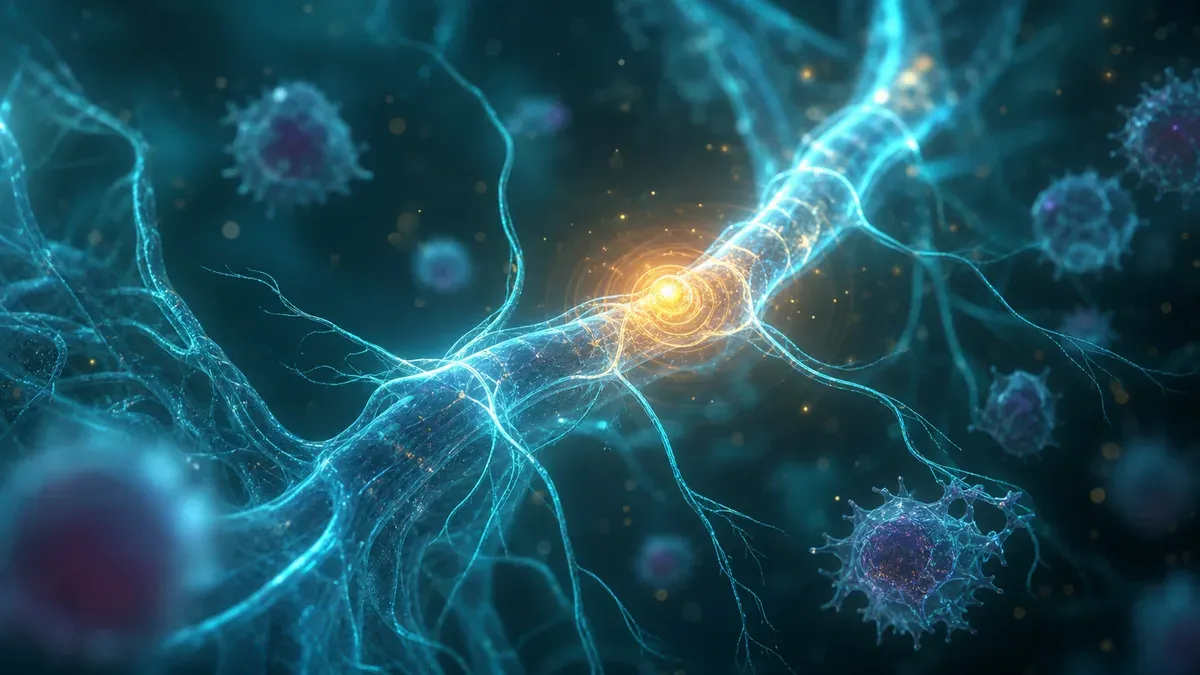
Your vagus nerve contains special sensory neurons that act like tiny inflammation detectors. These neurons can sense inflammatory molecules like TNF and IL-1 released by immune cells in your gut. When they detect these signals, they encode the information with distinct neural patterns. Then they send it straight to your brain3.
Here's the clever part: your brain doesn't just receive this inflammation alert. It sends anti-inflammatory instructions right back down the vagus nerve. These signals target the inflamed area. They reduce the production of harmful inflammatory molecules.
The vagus nerve helps maintain what researchers call intestinal barrier integrity. Your gut lining acts as a selective filter. It lets nutrients through while blocking toxins and bacteria. When this barrier becomes too permeable (sometimes called "leaky gut"), inflammatory substances can escape into your bloodstream. This causes problems throughout your body.
Your vagus nerve helps keep this barrier strong and selective.
Can Poor Vagal Function Increase Gut Inflammation?
Yes, and the triggers might surprise you. Poor diet, long-term stress, and infections can all disrupt your vagal signaling. They throw off your gut bacteria balance2. When this happens, your gut's natural anti-inflammatory defenses weaken.
Stress is particularly damaging to the gut-brain connection. When you're stressed for a long time, your sympathetic nervous system (fight-or-flight mode) stays active. This suppresses your vagus nerve's calming influence. This creates a cycle: stress increases gut inflammation. This sends more inflammatory signals to the brain. Which creates more stress.
Signs that your vagus nerve may not be supporting your digestive health well include:
Frequent bloating or digestive discomfort
Irregular bowel movements
Food sensitivities that seem to worsen with stress
Digestive issues that flare during stressful periods
Of course, these symptoms can have many causes. If you have ongoing digestive problems, talk to your doctor about proper evaluation and treatment.
What Can Support Your Vagus Nerve and Gut Health?
Early research suggests several approaches may help support the vagus nerve's anti-inflammatory effects in the gut. Deep breathing exercises that emphasize long, slow exhales can activate your vagus nerve. Try 4-7-8 breathing (inhale 4, hold 7, exhale 8) practiced for 5-10 minutes daily. They shift your nervous system toward the rest-and-digest mode that supports healthy digestion.
Cold exposure, like brief cold showers, may also activate anti-inflammatory pathways and potentially support gut health. The cold triggers a stress response that, when brief, can strengthen vagal tone. This improved nerve function may help the gut better regulate inflammatory responses by enhancing the nerve's ability to detect and respond to gut-based inflammation signals.
Interesting research is emerging on gut-directed therapies like hypnotherapy for conditions like irritable bowel syndrome and inflammatory bowel disease. These approaches may work partly by supporting vagal function through relaxation-induced activation of the parasympathetic nervous system, which includes the vagus nerve's anti-inflammatory pathways2.
Here's the thing: while the research on vagus nerve and gut health is promising, most studies are still early stage. More human trials are needed to fully understand how we can best support this brain-gut connection.
Key takeaway: Your vagus nerve doesn't just help with digestion -- it actively protects your gut from inflammation and maintains the delicate balance that keeps your digestive system healthy.
Frequently asked questions
How does the vagus nerve reduce gut inflammation?
The vagus nerve uses the cholinergic anti-inflammatory pathway to detect inflammatory molecules like TNF in the gut, then sends anti-inflammatory signals back to reduce harmful cytokine production. It also maintains intestinal barrier integrity to prevent inflammatory substances from leaking into the bloodstream.
Can poor vagal function cause digestive problems?
Research suggests that weakened vagal function may contribute to gut inflammation by disrupting the gut-brain communication and bacterial balance. Poor diet, chronic stress, and infections can impair vagal signaling, potentially leading to bloating, irregular bowel movements, and stress-related digestive flares.
What are signs of poor vagus nerve function in digestion?
Signs may include frequent bloating, irregular bowel movements, food sensitivities that worsen with stress, and digestive issues that flare during stressful periods. These symptoms can have multiple causes, so medical evaluation is important for proper diagnosis and treatment.
Do breathing exercises help with gut inflammation?
Early research suggests that deep breathing exercises with long, slow exhales may activate vagal pathways that support the gut's anti-inflammatory responses. These practices shift the nervous system toward rest-and-digest mode, which may help reduce stress-related digestive inflammation.
How does stress affect the vagus nerve and gut health?
Chronic stress suppresses vagal function by keeping the sympathetic nervous system active, which weakens the gut's natural anti-inflammatory defenses. This creates a cycle where stress increases gut inflammation, which sends more inflammatory signals to the brain, creating more stress.
The Vagus Lab Research Team reviews the latest scientific evidence on vagus nerve stimulation and translates it into accessible health education content.