If you've tried multiple headache treatments without lasting relief, vagus nerve stimulation (VNS) offers a different approach. Instead of adding more medication, VNS works by activating your body's natural pain-management pathways through the vagus nerve1.
VNS devices come in two categories: prescription medical devices for specific diagnosed conditions and consumer wellness devices for everyday support. Here's how the science works and what your options look like.
What Is Transcutaneous Vagus Nerve Stimulation?
Transcutaneous vagus nerve stimulation (tVNS) means stimulating the vagus nerve through your skin. No surgery required.
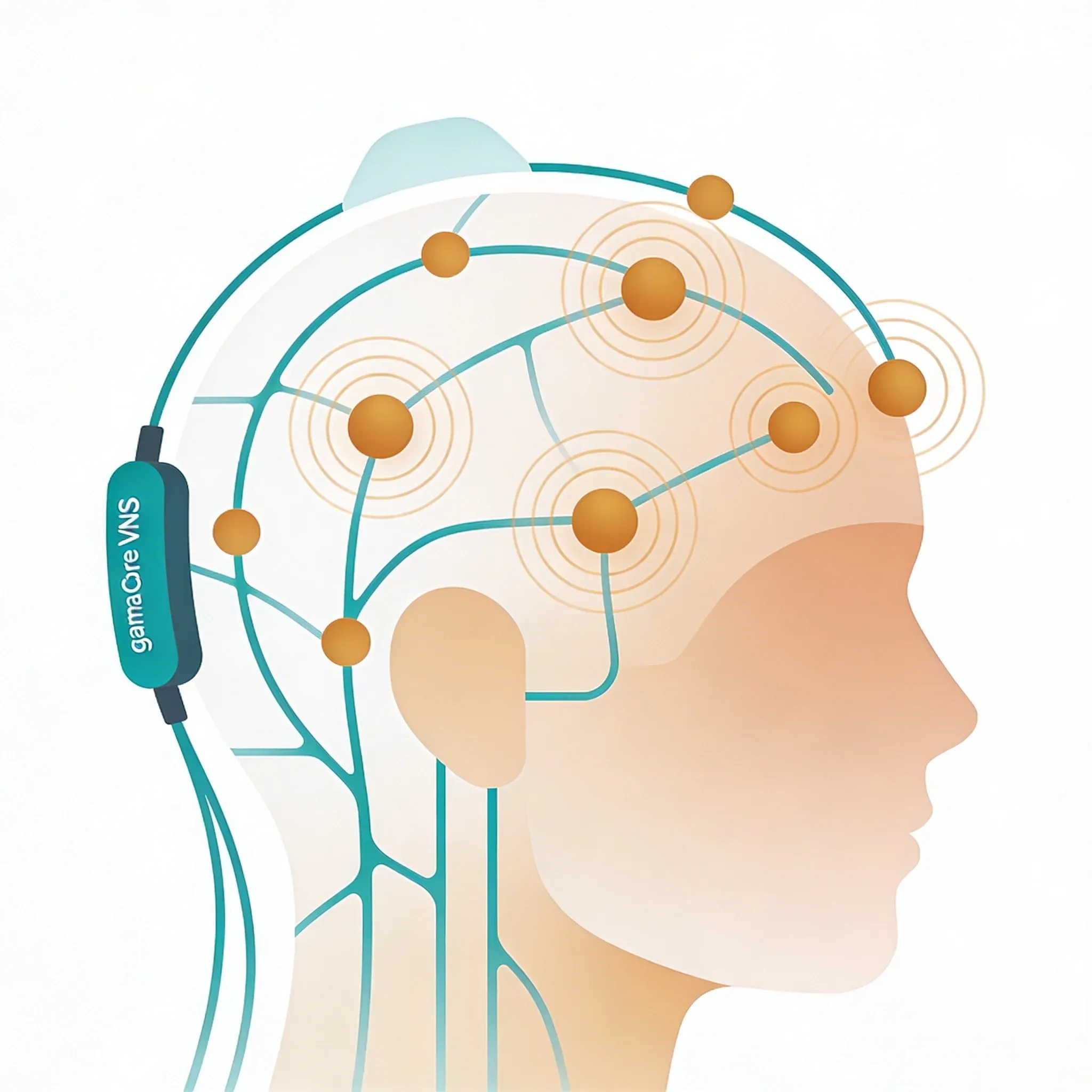
The vagus nerve runs from your brainstem down through your neck to your chest and abdomen. Both prescription and consumer devices target specific branches of this nerve using electrical pulses delivered through the skin. The goal is to activate neural pathways that influence pain processing, inflammation, and stress.
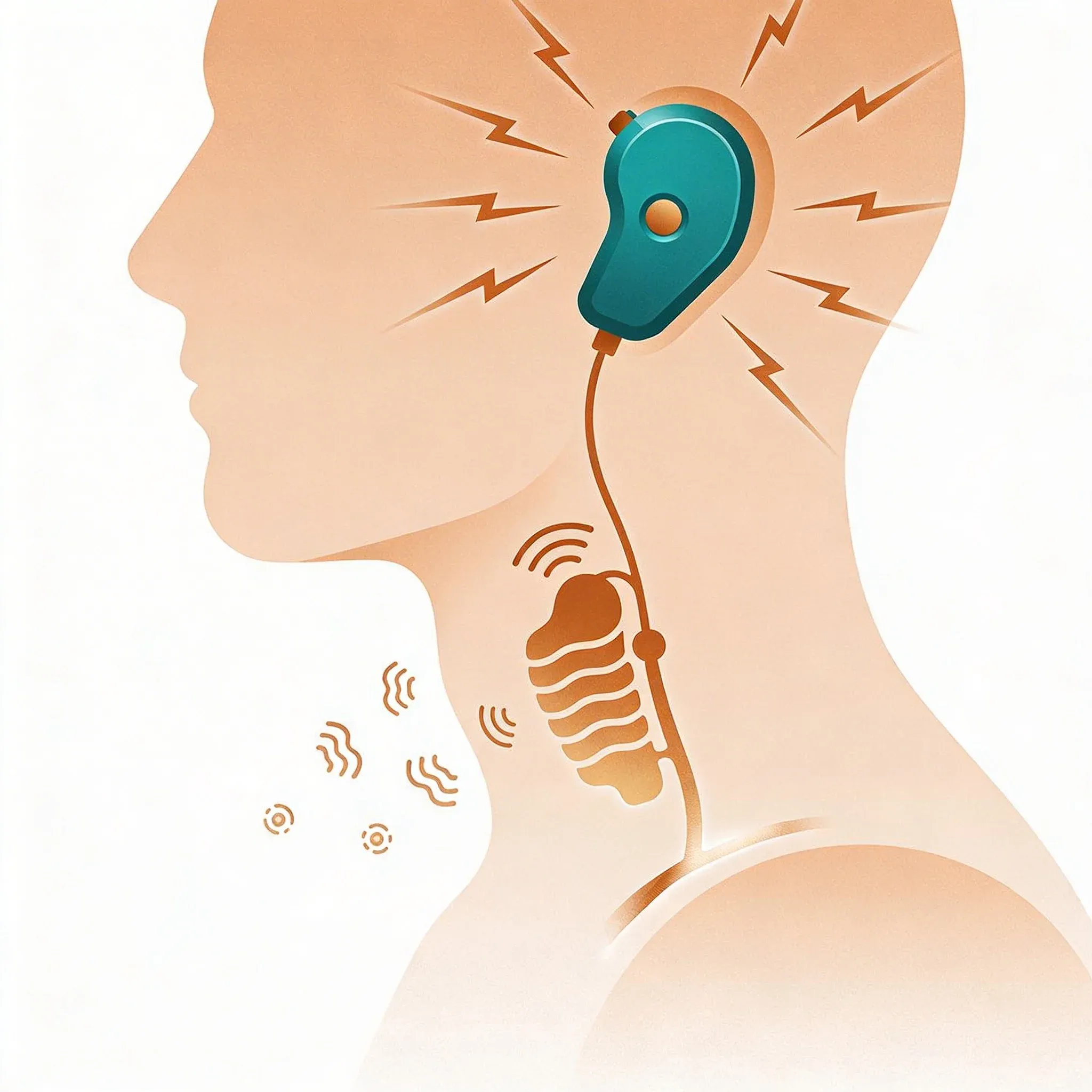
When activated, these devices send controlled electrical pulses through your skin to reach the vagus nerve underneath. This may trigger changes in how your brain processes pain signals and how your body manages its inflammatory response1.
This approach differs from implanted VNS devices used for epilepsy. Those require surgery to place electrodes directly on the nerve. Non-invasive devices are simpler, safer, and much more accessible.
How Does VNS Target Headache Pain?
The vagus nerve connects to brain regions that process pain signals. When you stimulate this nerve, you may trigger changes that reduce pain intensity1.
The mechanism works through several pathways:
Your vagus nerve sends signals to your brainstem. This area controls many automatic functions, including pain processing. Stimulation may modify how these signals are interpreted, potentially reducing the perceived intensity of pain.
The stimulation also affects inflammation pathways. Some types of headaches involve inflammatory responses in blood vessels around the brain. Vagus nerve activation triggers anti-inflammatory mechanisms that may help reduce this inflammation2.
Additionally, VNS may influence neurotransmitter levels. The vagus nerve plays a role in regulating serotonin and norepinephrine, both involved in pain modulation and mood regulation.
Research in this area is ongoing. Scientists continue to study exactly how vagus nerve stimulation influences different types of pain. The International Headache Society now includes non-invasive neuromodulation in their treatment guidelines2.
What Types of VNS Devices Are Available?
VNS devices fall into two main categories based on their intended use.
Prescription VNS devices are FDA-cleared for specific medical conditions like cluster headaches and migraine prevention. They require a doctor's prescription and medical supervision. These devices use higher-intensity stimulation and are intended for people with diagnosed conditions that haven't responded adequately to other treatments.
Consumer VNS devices are designed for general wellness support. They use gentler stimulation, don't require prescriptions, and are available for direct purchase. While not FDA-cleared for treating specific conditions, they're designed to support overall well-being through vagus nerve activation.
Pulsetto is the leading consumer VNS device. It sits on your neck and delivers gentle electrical impulses to your vagus nerve through the skin. The device comes with a free app offering five programs: Soothe Stress, Calm Worry & Overwhelm, Fall Asleep, Relieve Burnout, and Pain Control & Recovery. Sessions take just 4 minutes, and the device features customizable intensity levels.
While prescription VNS has FDA clearance for specific headache types, consumer VNS offers a different kind of support.
Pulsetto's Pain Control & Recovery program is designed to support pain management through vagus nerve activation. While it's not FDA-cleared for treating headaches specifically, it works through the same underlying mechanism: stimulating the vagus nerve to activate your body's natural pain-modulation pathways.
User surveys show that Pulsetto users report a 9% decrease in pain levels, along with significant improvements in related factors that often accompany headaches:
28% reduction in stress (a common headache trigger)
26% reduction in anxiety
18% improvement in sleep quality within 14 days
86% of users feel calmer and less stressed overall
Since stress, poor sleep, and anxiety are among the most common headache triggers, addressing these factors through vagus nerve stimulation may help reduce the frequency and intensity of headaches over time.
What Should You Expect When Starting VNS?
Response to vagus nerve stimulation varies from person to person. Some people notice changes quickly. Others may need several weeks of consistent use.
First session: Most Pulsetto users feel noticeably calmer within 4 minutes. The sensation is typically described as a gentle tingling on the neck. It's designed to be comfortable and pain-free.
First week: With daily use, many users begin noticing improvements in stress levels and sleep quality. The device is helping train your nervous system to shift more easily into a relaxed state.
First month: Consistent daily use over 2-4 weeks is when most users report the most meaningful changes in overall well-being, including reduced pain perception, better sleep, and greater emotional resilience.
Pulsetto is designed for long-term use. Regular stimulation helps strengthen vagal tone over time, making your nervous system more resilient to stress and better at self-regulation.
Which VNS Approach Is Right for You?
Your choice depends on your specific needs and health situation.
Choose prescription VNS if:
You have a diagnosed headache disorder (cluster headaches, chronic migraines)
Other treatments haven't provided adequate relief
Your neurologist or headache specialist recommends it
Your insurance covers it for your condition
Consider consumer VNS (Pulsetto) if:
You want drug-free support for everyday stress, sleep, and general comfort
You experience occasional headaches related to stress or poor sleep
You want an affordable, no-prescription approach to vagus nerve stimulation
You prefer a device you can use at home without medical visits
Try natural approaches first if:
Some people find benefits from combining approaches. Using breathing techniques alongside Pulsetto can enhance your body's overall relaxation response.
Getting Started with Pulsetto
Getting started is simple. No prescription, no medical training, no special setup required.
Turn on -- the device connects to the app automatically
Apply gel -- use the included soothing gel on your neck
Place on neck -- the device is lightweight and hands-free
Choose your program -- select Pain Control, Sleep, Stress, or any program in the app
Relax for 4 minutes -- let the device do the work
Pulsetto starts at $278 as a one-time purchase. No subscriptions, no ongoing fees. All five programs and the app are free forever. With a 30-day money-back guarantee and 2-year warranty, you can try it risk-free.