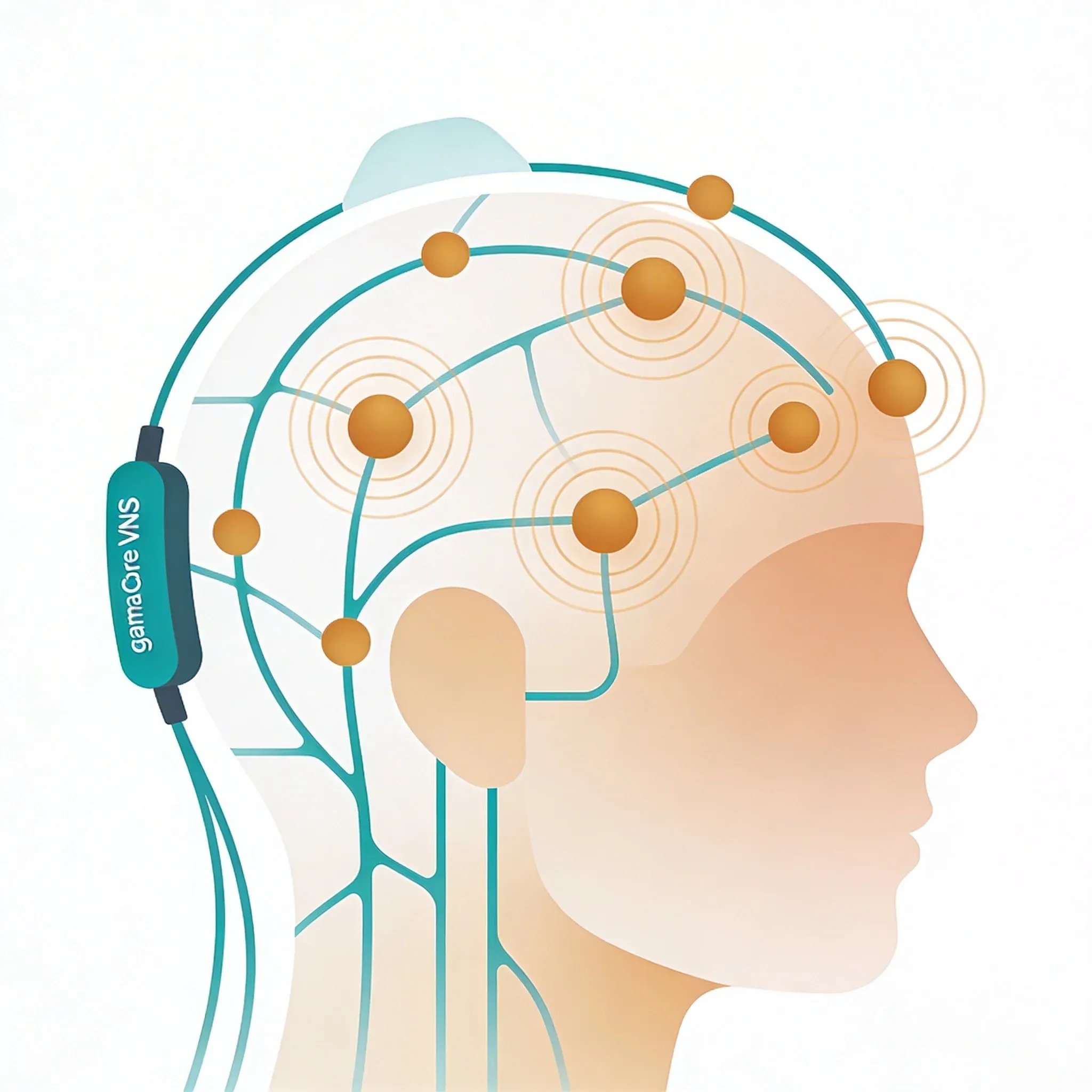
GammaCore vs Pulsetto: Prescription vs Consumer VNS Devices
Picture waking up at 3 AM with crushing pain behind your eye. The kind that makes you pace around your house because lying still hurts too much. For people with cluster headaches, this nightmare is real. Now picture having a device that could potentially stop that pain in 15 minutes. No pills, no shots, no side effects. That's what gammaCore is designed to provide.
But what if you don't have severe headaches? What if you're looking for vagus nerve support for everyday wellness - stress, sleep, or focus? That's where consumer devices like Pulsetto come in. Both use vagus nerve stimulation, but they serve very different purposes.
What Headache Types Is GammaCore FDA-Cleared to Treat?
GammaCore is the first and only FDA-cleared non-invasive vagus nerve device approved for treating headaches. The FDA has given it seven different clearances for specific headache problems1.
Cluster headaches were the first problem to get FDA clearance. GammaCore is FDA-cleared to treat sudden episodes. It can also prevent future cluster headache attacks in adults. For many people with cluster headaches, this was the first non-drug treatment option they could try.
Migraine attacks got FDA clearance in 2018. A controlled trial of adults with migraines found good results. People using gammaCore had less pain at 30 and 60 minutes after treatment. This was compared to those using a fake device2.
Rare headache types also have FDA clearance. GammaCore is approved for two rare conditions. These are paroxysmal hemicrania and hemicrania continua in adults. For these problems, gammaCore was the first FDA-approved treatment option1.
GammaCore's 7 FDA Clearances:
- Sudden cluster headache treatment
- Cluster headache prevention
- Sudden migraine treatment
- Paroxysmal hemicrania treatment
- Hemicrania continua treatment
- Additional headache-related indications
- All backed by controlled trials
The device needs a prescription from a healthcare provider. You can't buy it over-the-counter like basic pain pills.
How Does GammaCore Work for Headache Relief?
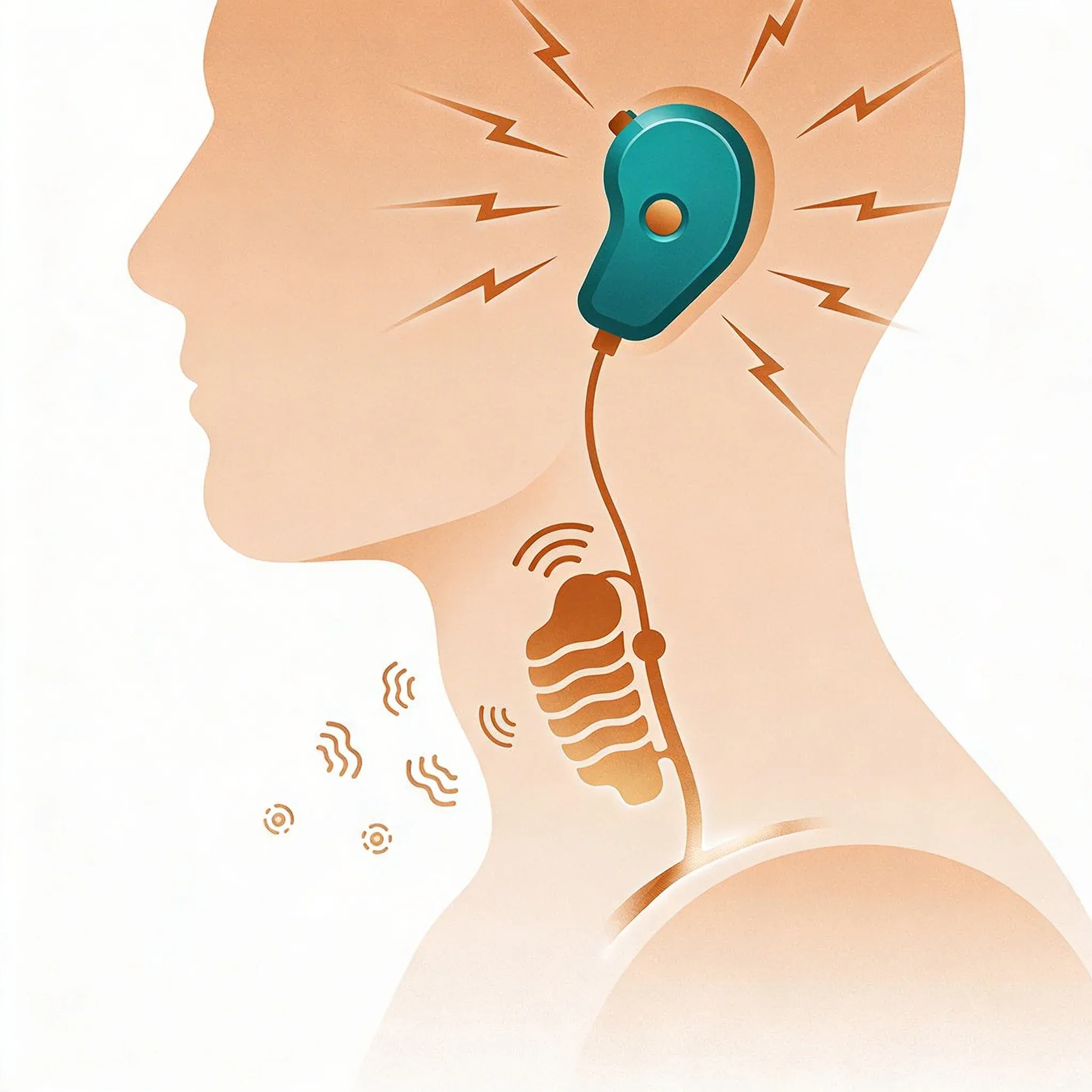
GammaCore stimulates the vagus nerve through the skin on your neck. You place the device against your neck. It sends electrical signals to the vagus nerve's fibers.
The vagus nerve connects to brain regions involved in pain processing. When you stimulate it, you may trigger changes that could reduce headache pain. Think of it like a circuit breaker panel in your house. When specific circuits get overloaded with pain signals from the trigeminal nerve, vagus nerve stimulation may help reset the system. It activates the brain's natural pain-modulating pathways.
It typically takes about two minutes per treatment. Users hold the device against their neck. It delivers controlled electrical pulses. Many people describe the feeling as a gentle vibration or tingling.
This approach may offer headache relief without drug-related worries. There's no risk of medicine overuse headaches. You won't worry about drug interactions either1.
What Does the Research Show About GammaCore's Effectiveness?
GammaCore's FDA clearances rest on more than seven controlled clinical trials. There are also over 40 peer-reviewed studies1.
For cluster headaches, a 2016 trial showed promising results. Many users had pain reduction within 15 minutes of treatment. The preventive effects may help reduce how often cluster headache episodes happen.
Migraine studies found that people using gammaCore were more likely to have less pain at 30 and 60 minutes after treatment. This was compared to those using inactive devices. But response rates vary between people. Some experience significant relief while others see modest benefits2.
Research focuses specifically on the headache types listed in FDA clearances. Studies haven't shown that it works for tension headaches. The same is true for other headache types not mentioned in the approved uses.
How Does Pulsetto Compare to Prescription VNS?
While gammaCore targets specific headache conditions, consumer devices like Pulsetto take a different approach. They're designed for everyday wellness support rather than medical treatment.
Key Differences:
Purpose: GammaCore is an FDA-cleared headache treatment. Pulsetto is a consumer wellness device.
Prescription: GammaCore requires a prescription. Pulsetto does not.
Target users: GammaCore serves headache patients. Pulsetto serves general wellness seekers.
Cost: GammaCore has high costs plus ongoing fees. Pulsetto is a one-time purchase around $269.
Programs: GammaCore follows medical protocols. Pulsetto offers 5 wellness programs.
Availability: GammaCore is available through healthcare providers only. Pulsetto ships direct to consumers.
Pulsetto's Focus Areas:
Pulsetto is designed to support everyday wellness through vagus nerve stimulation. Users report it may help with:
- Stress management and relaxation
- Sleep quality improvement
- Focus and mental clarity
- General calm and wellbeing
Important Distinction:
GammaCore has FDA clearance for specific medical conditions. Pulsetto is FDA-registered as a wellness device but NOT FDA-cleared for treating any medical conditions. This is a crucial difference.
Who Might Choose Each:
- Choose gammaCore if you have diagnosed cluster headaches, migraines, or other FDA-approved conditions
- Consider Pulsetto if you want vagus nerve support for general wellness without a prescription
Is Consumer VNS Right for Everyday Wellness?
Consumer VNS devices like Pulsetto serve a different market than medical devices. They're designed for people who want to explore vagus nerve benefits for wellness rather than medical treatment.
Pulsetto's User Experience:
- 4-minute sessions with gentle electrical stimulation
- Five programs: Soothe Stress, Calm Worry, Fall Asleep, Relieve Burnout, Pain Control
- Companion app with additional wellness content
- Over 100,000 users worldwide with 1.5+ million sessions
Survey Results:
User surveys suggest 86% feel calmer after using Pulsetto. Users report average stress reduction of 28% and anxiety reduction of 26%. These are user-reported outcomes, not clinical trial results.
Safety Profile:
Pulsetto reports zero side effects across 1.5+ million sessions. It's FCC and CE certified with FDA registration. However, this doesn't equal FDA clearance for medical conditions.
Consumer devices offer accessibility and convenience. But they're not substitutes for medical treatment when you have diagnosed conditions.
Getting Started: Medical vs Consumer Paths
For GammaCore:
You need a prescription from a healthcare provider familiar with headache treatment. Many neurologists and headache specialists can prescribe the device. Your doctor will check whether your headache type matches approved uses. They'll also review your medical history.
Training is usually provided when you get the device. Proper placement on the neck is important for effectiveness and safety. Insurance coverage varies for FDA-approved uses.
For Pulsetto:
No prescription needed. You can order directly online with a 30-day money-back guarantee. The device comes with app-guided setup and usage instructions. It's designed for consumer self-use with safety features built in.
If you're curious about trying consumer VNS for everyday wellness support, learn more about Pulsetto and how it compares to other options.
Which Approach Fits Your Needs?
The choice between medical and consumer VNS depends on your specific situation and goals.
Choose Medical VNS (GammaCore) if:
- You have diagnosed cluster headaches, migraines, or other approved conditions
- You want FDA-cleared treatment backed by clinical trials
- You're working with a healthcare provider on headache management
- Insurance may cover the device for approved uses
Consider Consumer VNS (Pulsetto) if:
- You're interested in vagus nerve support for general wellness
- You want to explore stress management and sleep support
- You prefer a direct-purchase option without prescriptions
- You're looking for an accessible entry point into VNS technology
Both approaches use vagus nerve stimulation science, but they serve different purposes. Medical devices treat specific conditions. Consumer devices support general wellness.