How Your Vagus Nerve Controls Sleep (The Science Explained)
Lying awake despite exhaustion? Your mind racing while your body screams for rest? The answer to better sleep might lie in a nerve you've probably never heard of -- your vagus nerve.
Research suggests your vagus nerve may act as your body's master sleep switch. It controls the brain waves, hormones, and nervous system signals that shape how well you sleep. Research suggests vagus nerve stimulation may boost delta wave activity during deep sleep phases. It also helps balance your nervous system for smoother transitions between wake and sleep states1.
Why Does the Vagus Nerve Matter for Sleep?
Think of your vagus nerve as the conductor of a sleep orchestra. Just like a conductor coordinates different musicians to create harmony, your vagus nerve synchronizes multiple body systems -- brain chemistry, hormone release, and nervous system activity -- to orchestrate restful sleep.
When your vagus nerve fires properly, it shifts your nervous system into "rest and digest" mode. This parasympathetic activation is what allows your body to wind down for sleep. Without it, you stay stuck in the alert, wakeful state even when you're physically tired.
Research from 2022 found that just two weeks of transcutaneous vagal nerve stimulation improved overall sleep quality in community-dwelling adults2. The participants didn't just sleep longer. They reported feeling more refreshed upon waking.
How Does Vagus Nerve Stimulation Change Your Brain Waves?
Here's where the science gets interesting. Your brain produces different electrical patterns during various sleep stages. Your vagus nerve directly influences these patterns.
Research suggests vagus nerve stimulation may boost delta wave activity during deep sleep stages during non-rapid eye movement (NREM) sleep3. Delta waves are the slowest brain waves. They're linked to the deepest, most restorative sleep phases. When you have stronger delta wave activity, you wake up feeling more recovered.
Think of it like this: if your sleep stages were gears in a car, delta waves would be your lowest, most powerful gear. VNS helps your brain shift into that gear more effectively.
What Brain Chemicals Does VNS Affect for Sleep?
Your vagus nerve acts like a chemical messenger system. Research indicates VNS may affect three key brain chemicals that control sleep and wake cycles:
- GABA: Your brain's main calming chemical. Higher GABA levels make it easier to fall asleep and stay asleep.
- Serotonin: Helps regulate sleep-wake cycles and contributes to feelings of well-being.
- Norepinephrine: When elevated, this stress chemical keeps you alert. VNS helps keep it at appropriate levels.
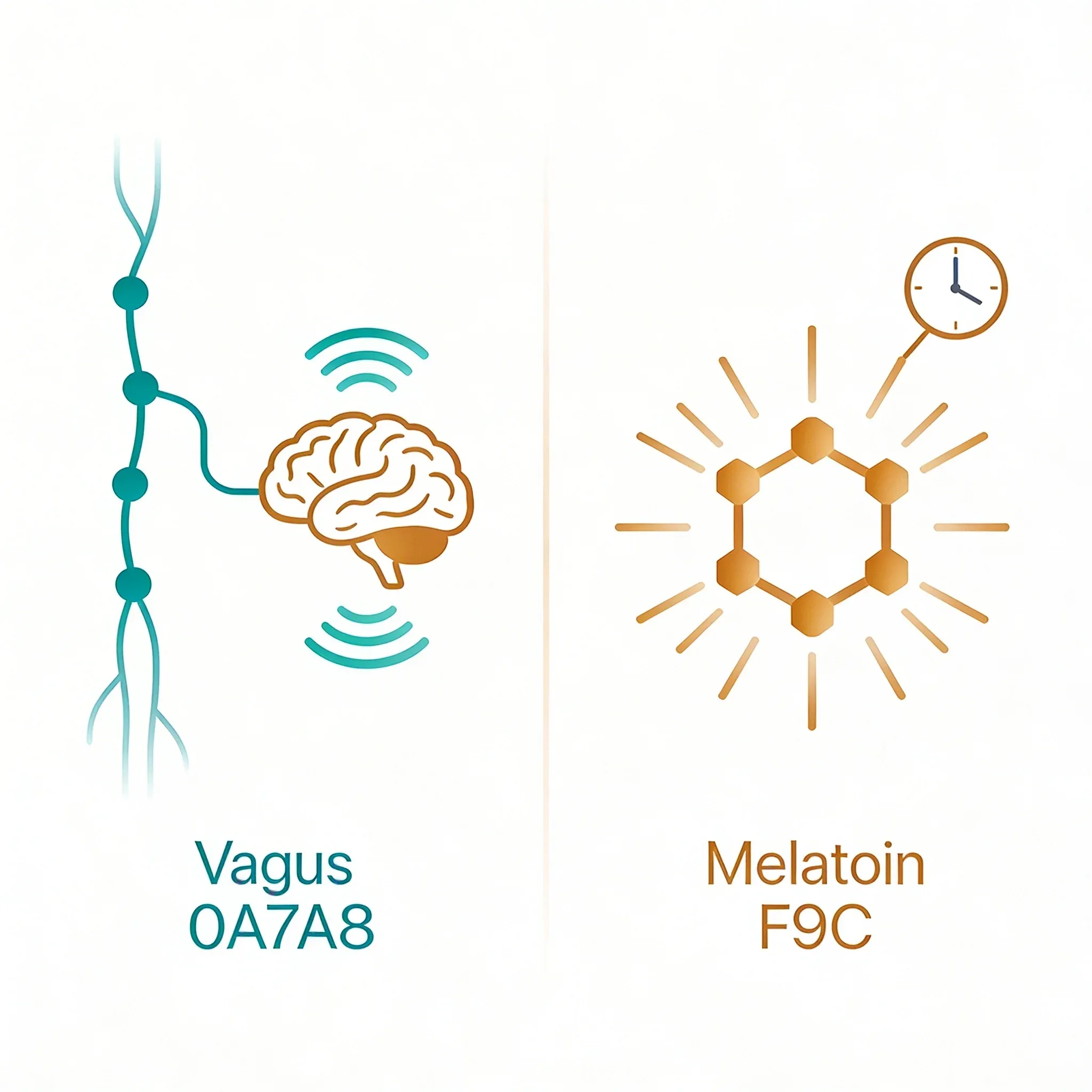
Research suggests VNS may also increase melatonin production. This is your body's natural sleep hormone. It helps regulate your circadian rhythm -- the internal clock that tells your body when it's time to sleep and wake up.
How Does VNS Reduce Sleep-Disrupting Inflammation?
Long-term inflammation is a hidden sleep killer. When your body is in an inflammatory state, it struggles to enter deep, restorative sleep phases.
Your vagus nerve activates what scientists call the "cholinergic anti-inflammatory pathway". This fancy term means it releases chemicals that calm down inflammatory responses throughout your body.
VNS also helps reduce cortisol, your primary stress hormone. High cortisol at bedtime makes it nearly impossible to fall asleep naturally. By keeping cortisol levels in check, vagus nerve stimulation creates better conditions for sleep onset.
Can VNS Help With Long-Term Sleep Disorders?
Here's the thing: the research is promising but still developing.
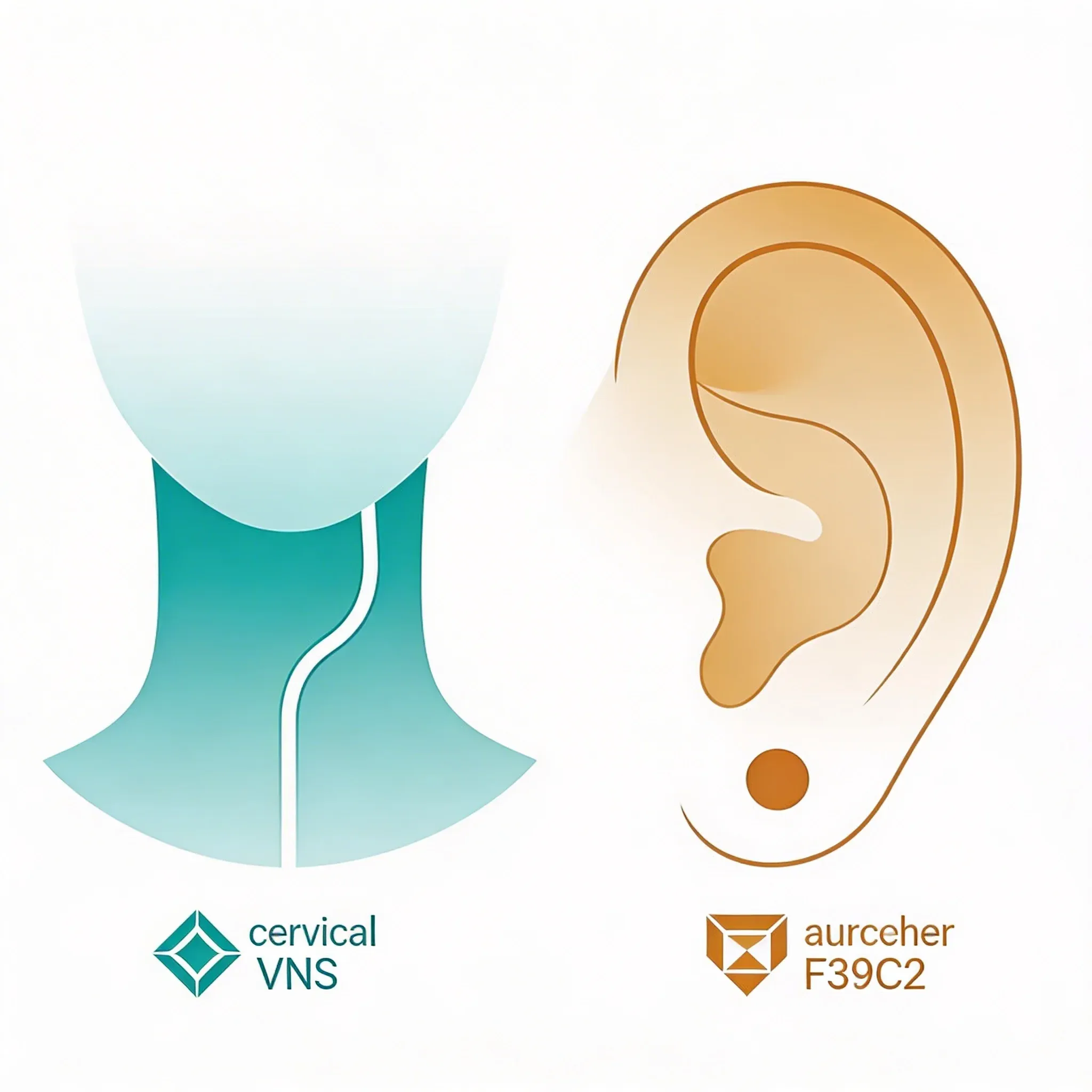
A 2025 study on chronic insomnia found that transcutaneous auricular vagus nerve stimulation significantly improved sleep quality compared to sham treatment1. The participants weren't just sleeping better. They were experiencing more restorative sleep.
Children with sleep disorders often show lower vagus nerve tone than their peers. This suggests that vagus nerve activity and sleep quality are directly connected from an early age.
Early animal studies found that female rats showed more pronounced circadian rhythm changes with VNS compared to males. While this research is still in its early stages and we need more human studies, it suggests that individual response to VNS may vary based on biological factors.
But remember: VNS isn't a magic cure for diagnosed sleep disorders. If you have chronic insomnia, sleep apnea, or other serious sleep conditions, work with a healthcare provider. VNS might be a helpful addition to your treatment plan, not a replacement for it.
How Quickly Can VNS Improve Your Sleep?
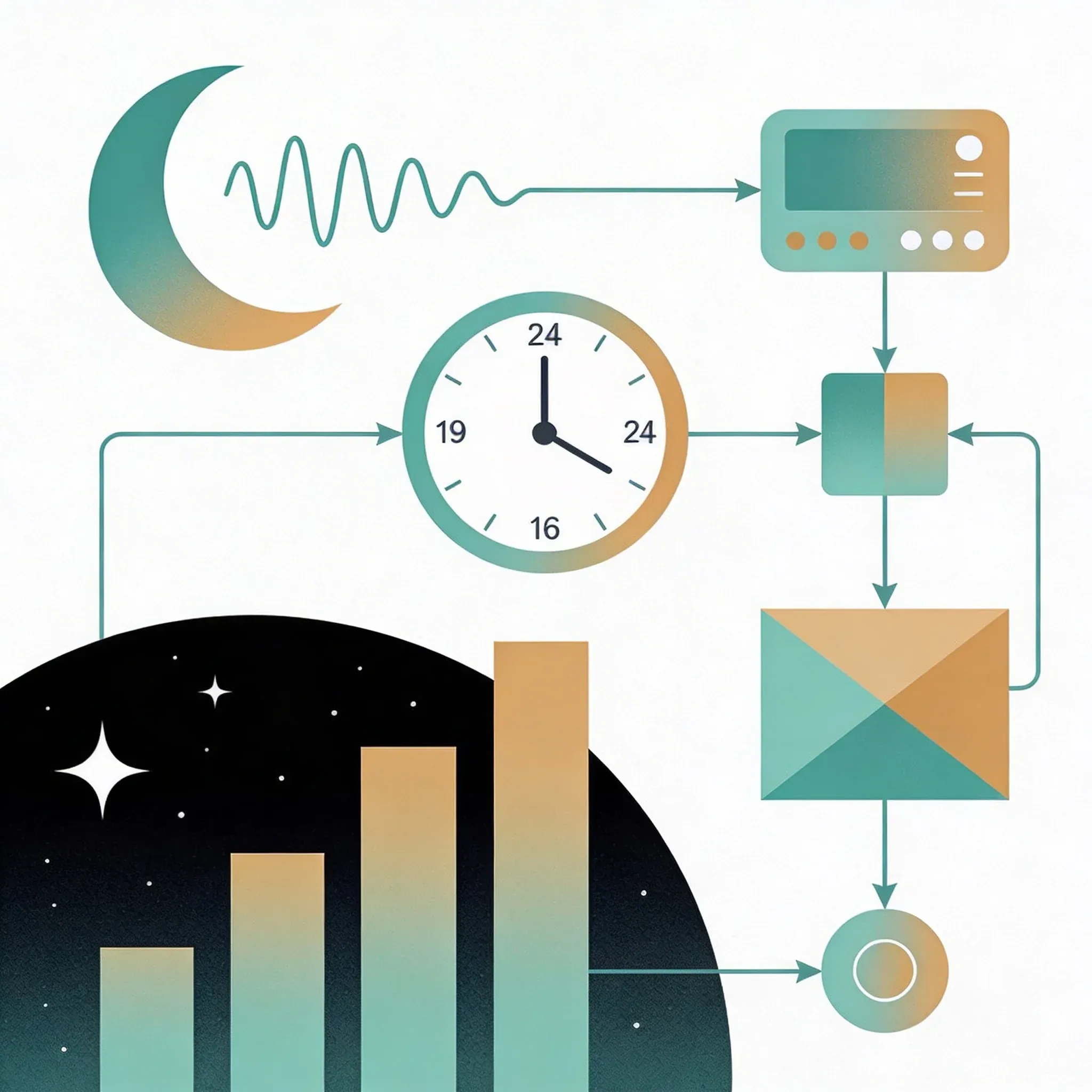
Most research studies show sleep improvements within 2-4 weeks of consistent VNS use. But here's what's interesting: some people notice changes in sleep onset (how quickly they fall asleep) within days. Deeper sleep quality improvements typically take longer.
The key word is "consistent." Timing and regularity matter for sleep benefits, just like establishing any healthy sleep routine.
For optimal results, research suggests these parameters:
- Session duration: 20-30 minutes per session
- Frequency: Once daily, preferably 1-2 hours before bedtime
- Device settings: Start with lower intensities (around 0.5-1.0 mA for transcutaneous devices) and gradually increase based on comfort
- Consistency: Use the same time each evening to help establish your sleep routine
Some people use transcutaneous VNS devices about an hour before bedtime. This helps their nervous system start winding down. Others find morning sessions help regulate their circadian rhythm for better sleep later that night.
Getting Started with VNS for Sleep
If you're ready to try VNS for sleep improvement, start simple:
- Choose your timing: Begin sessions 1-2 hours before your target bedtime
- Start low: Use the lowest comfortable intensity setting on your device
- Track your progress: Keep a sleep diary noting sleep onset time and morning energy levels
- Be consistent: Use the same schedule for at least 2-3 weeks to see patterns
- Adjust gradually: Increase intensity or session length only after 1-2 weeks of consistent use
Remember, VNS works best as part of good sleep hygiene. Combine it with a cool, dark bedroom and consistent bedtime routines for maximum benefit.