VNS vs Melatonin: Which Sleep Support Method Actually Works?
You've tried everything. Warm milk, chamomile tea, counting sheep. Yet you still lie awake at 2 AM, mind racing or body restless. Maybe you've considered melatonin supplements or heard about vagus nerve stimulation for sleep. But which approach might actually help?
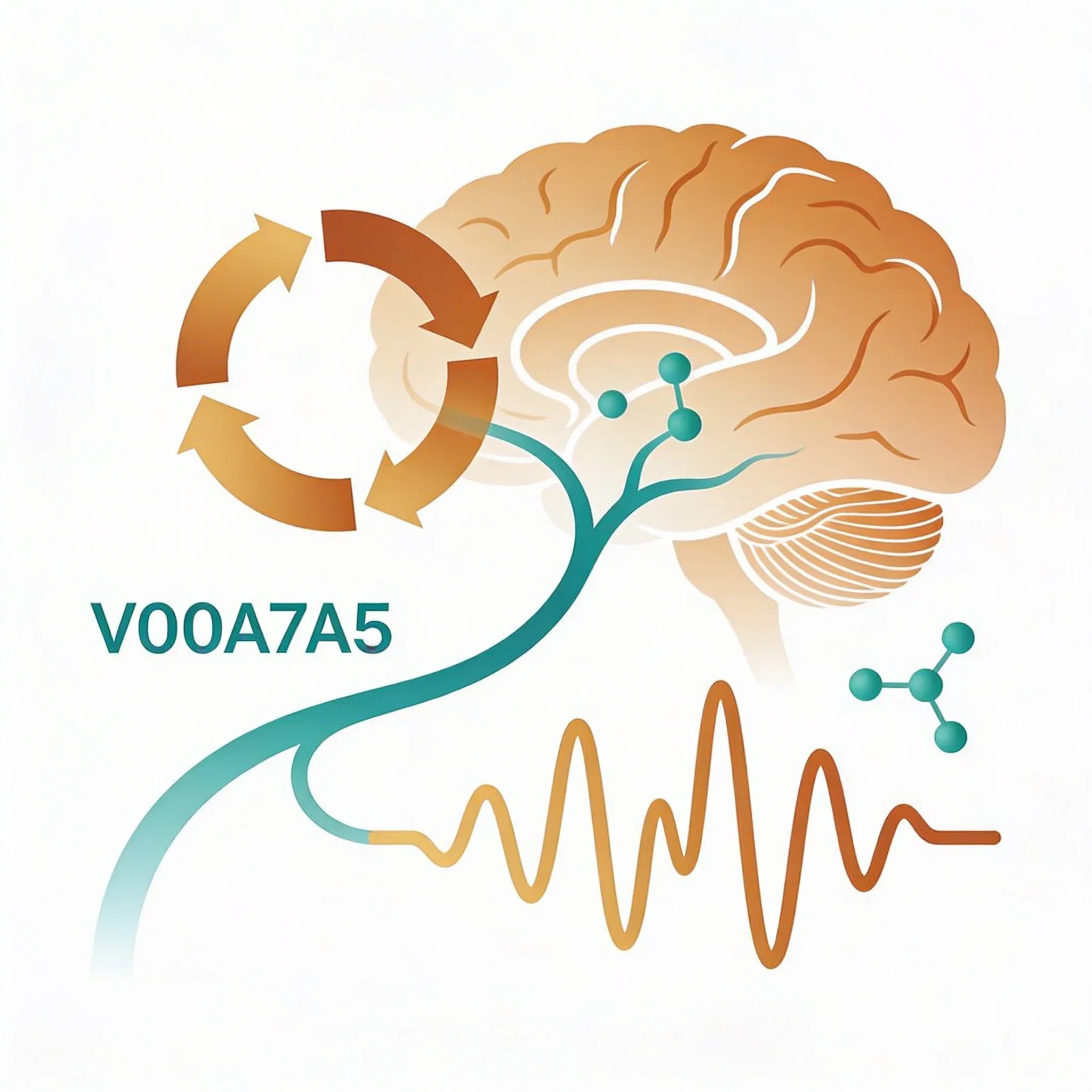
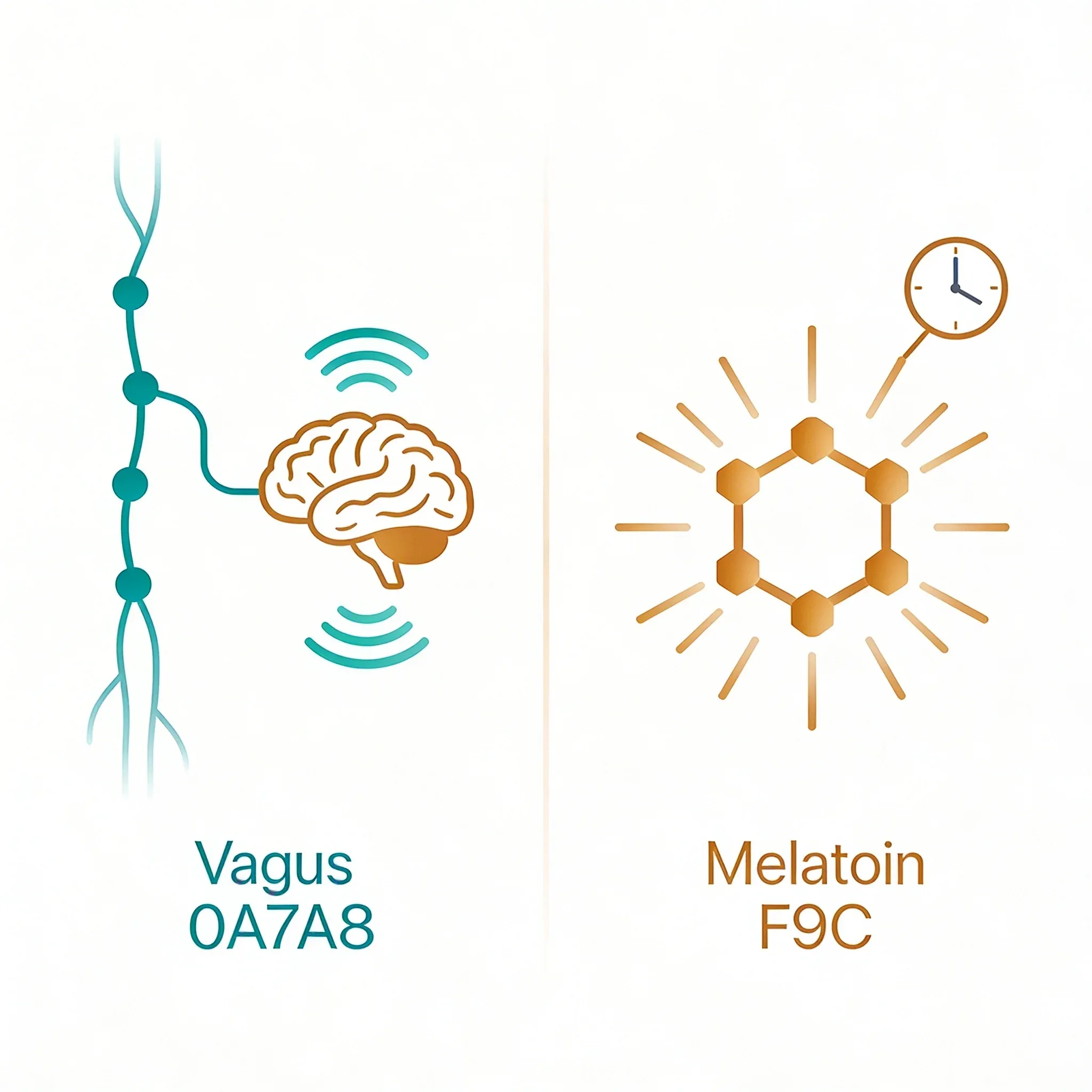
Vagus nerve stimulation (VNS) and melatonin support sleep through completely different pathways. VNS activates your parasympathetic nervous system to promote natural relaxation, while melatonin directly signals your brain when it's time to sleep by regulating circadian rhythms.
How Do VNS and Melatonin Work Differently?
Think of your sleep struggles like a car that won't start on a cold morning.
VNS works like warming up the engine. When you stimulate the vagus nerve, you're essentially telling your nervous system to shift gears from "high alert" to "rest mode." Your heart rate slows. Your breathing deepens. Your muscles relax. It's addressing the physiological tension that keeps your body revved up when it should be winding down.
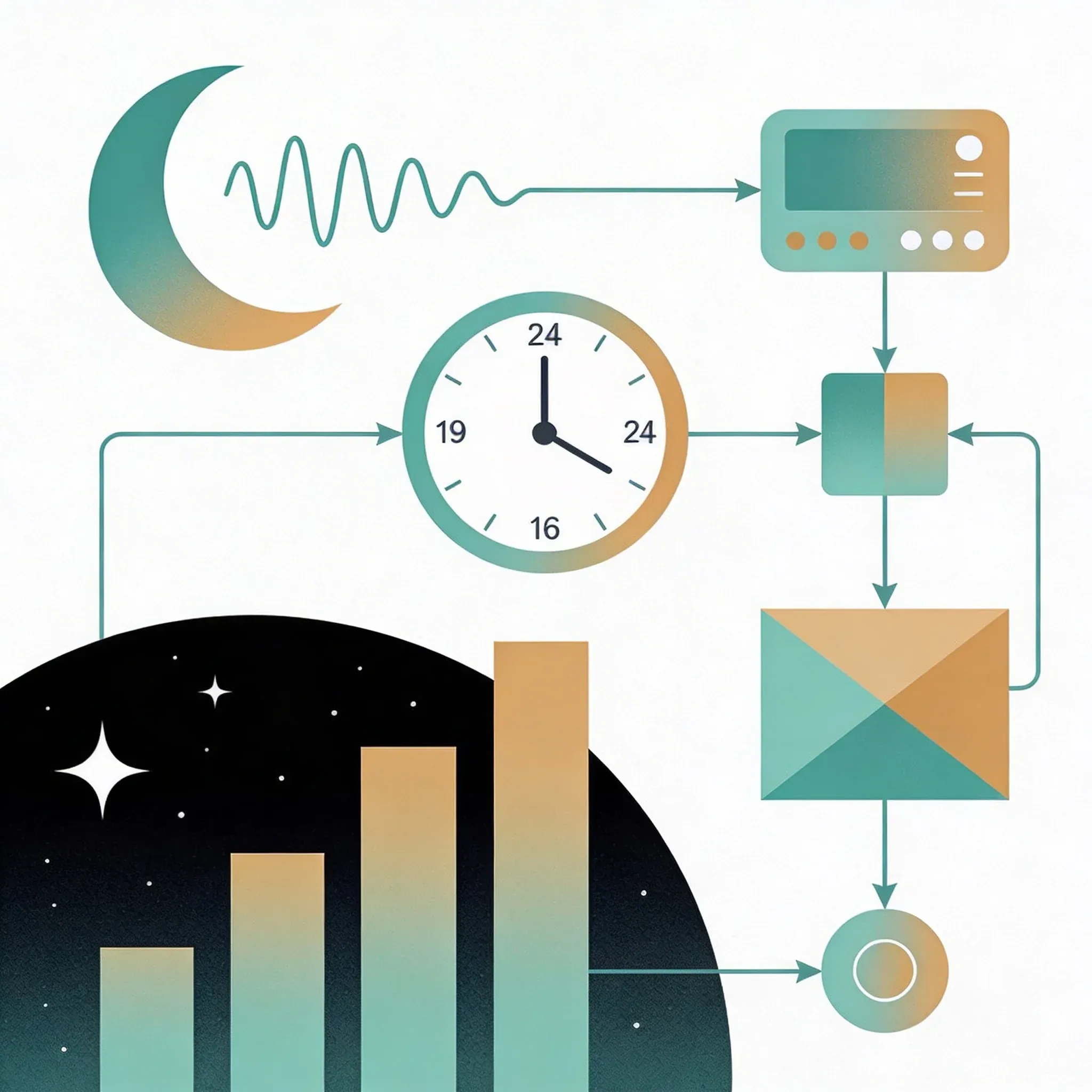
Melatonin functions more like adjusting the car's internal clock. It's a hormone your pineal gland naturally produces when darkness falls1. Taking melatonin supplements essentially tells your brain's master timekeeper, "Hey, it's bedtime now." It doesn't make you drowsy the way a sleep medication would. Instead, it adjusts when your body expects to feel sleepy.
Which One Helps You Fall Asleep Faster?
The research tells an interesting story here.
Melatonin may help some people fall asleep slightly faster, but the effect is modest. A 2014 review found that melatonin reduced the time it takes to fall asleep, though the improvement was often small2. The catch? The American Academy of Sleep Medicine chose not to recommend melatonin for insomnia due to insufficient evidence.
VNS research for sleep is still developing. We know that research suggests VNS may affect heart rate variability, which is linked to better recovery and relaxation. But we don't have large-scale studies comparing VNS directly to melatonin for sleep onset.
Here's what we do know: VNS works on the nervous system level. If stress or an overactive mind keeps you awake, calming your nervous system might address the root cause rather than just the symptom.
What About Staying Asleep Through the Night?
This is where the two approaches really differ.
Melatonin primarily affects sleep timing -- when you fall asleep and when you wake up. It's not designed to keep you asleep once you're out. Many people find that melatonin helps them drift off but doesn't prevent 3 AM wake-ups.
VNS potentially supports sleep maintenance differently. By keeping your nervous system balanced, you might be less likely to jolt awake from minor disturbances. Your body stays in that calm, restorative state.
That said, both approaches lack robust clinical evidence for sleep maintenance specifically.
Can You Use VNS and Melatonin Together?
Here's where it gets interesting. Since VNS and melatonin work through completely different pathways, combining them might make sense in theory.
VNS calms your nervous system. Melatonin regulates your sleep-wake cycle. One addresses the "how relaxed you feel" piece. The other handles the "when you feel sleepy" timing.
But here's the honest truth: we don't have specific research on using them together. The combination hasn't been studied for safety or effectiveness.
If you're considering both, timing becomes crucial. When to use VNS for calm depends on your specific sleep challenges - you might practice vagus nerve stimulation techniques 1-2 hours before bed to begin nervous system downregulation, then take melatonin 30-60 minutes before your target bedtime to signal your circadian clock.
What Are the Side Effects and Safety Concerns?
Melatonin comes with some known issues:
- Next-day drowsiness affects some people
- It can cause hypothermia in higher doses
- The FDA doesn't regulate melatonin supplements, so quality varies wildly
- Interactions with medications are possible
VNS has different considerations:
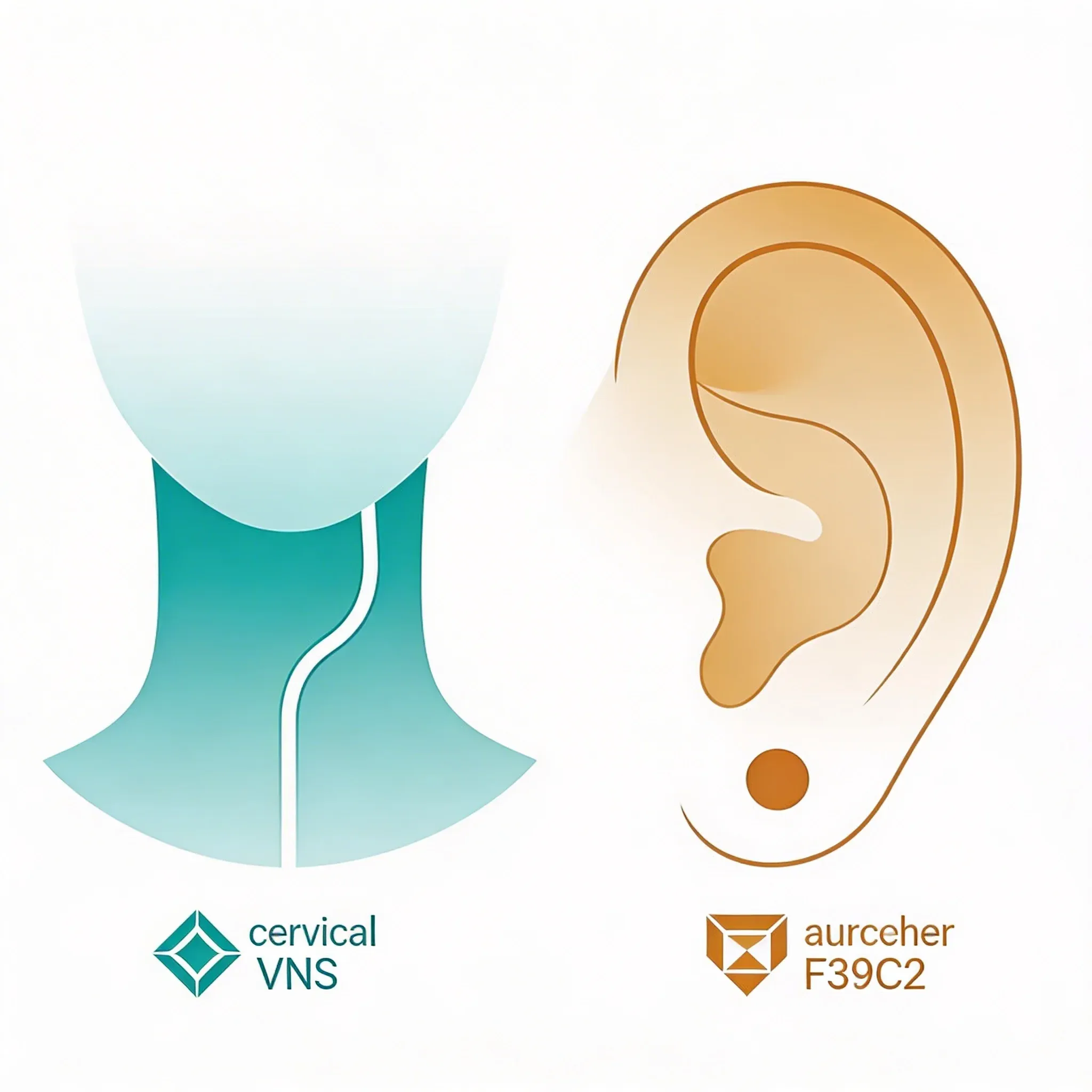
- Most non-invasive VNS techniques (like breathing exercises or ear stimulation) are generally safe
- Inappropriate electrical stimulation could theoretically affect heart rhythm
- The devices and techniques vary widely in quality
Neither approach should replace medical evaluation if you have ongoing sleep problems. Both work with your body's natural systems rather than forcing sleep chemically, but persistent insomnia needs professional assessment.
The Bottom Line: Different Tools for Different Sleep Problems
Before trying either approach, establish the sleep hygiene basics: consistent bedtimes, cool dark rooms, limited screen time before bed, and a wind-down routine. These fundamentals create the foundation for quality rest.
If your main issue is falling asleep at the right time -- maybe you're a night owl trying to shift earlier -- melatonin might help reset your clock.
If stress, anxiety, or an overactive nervous system keeps you wired at bedtime, VNS might address that underlying activation. Understanding realistic timelines for VNS improvement can help set appropriate expectations.
Many sleep problems have multiple components. You might have both a timing issue (circadian rhythm) and a stress issue (nervous system activation). That's why some people find combining approaches helpful, though we need more research on this combination.
The most important thing? Neither VNS nor melatonin is a magic bullet. They're tools that may support your body's natural sleep processes when used as part of a comprehensive approach to better rest.