Does VNS Stop Working? The Truth About Vagus Nerve Tolerance
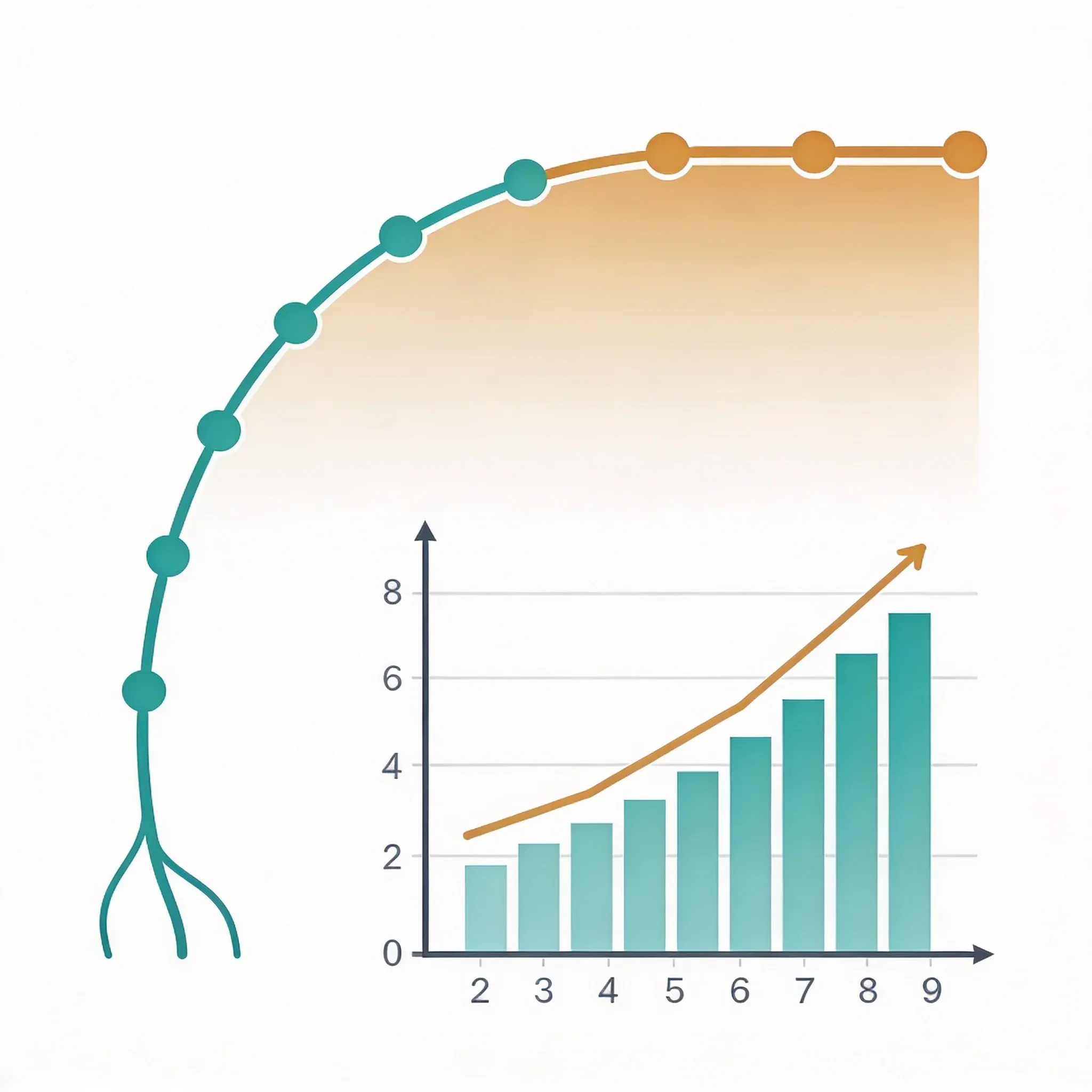
After weeks of VNS use, you wonder if your device is losing its punch. That familiar tingling sensation feels the same, but are the benefits fading? Here's the reassuring truth: your nervous system doesn't build tolerance to vagus nerve stimulation. Research shows the opposite happens. VNS gets better over time. Studies indicate growing benefits for up to a year before effects level off1.
How Does Your Body Adapt to Regular VNS Use?
When you start using vagus nerve stimulation regularly, your nervous system doesn't fight back. It learns to respond better.
Think of it like developing muscle memory at the piano. Your first week feels clumsy and requires intense focus. By your tenth week, your fingers find the keys naturally. Unlike physical tolerance where you need more weight to get the same muscle growth, VNS works differently. Your vagus nerve gets more responsive to the same stimulation over time because you're building neural pathways - like muscle memory for your nervous system.
Long-term clinical studies show something encouraging. People who first respond to VNS keep those benefits over months2. In clinical settings with implanted VNS devices for epilepsy, some patients have maintained response for 17 years or longer with no drop in effectiveness. While consumer-grade devices differ from surgical implants, this suggests the underlying mechanism -- neural adaptation rather than tolerance -- holds up over time.
The key insight? Research suggests VNS may create lasting changes in how your autonomic nervous system works. Rather than your body "getting used to" the stimulation, it learns healthier patterns that stick. Older patients often show better initial response rates, suggesting our nervous systems remain adaptable throughout life.
Do You Build Tolerance Like Other Treatments?
The short answer is no. Research shows zero evidence of tolerance to vagus nerve stimulation. Even after years of use1.
This sets VNS apart from many other treatments. Consider caffeine. You need more over time to get the same alertness boost. Or pain meds. They often work less with regular use.
Vagus nerve stimulation follows a different pattern. Studies tracking patients over many years find that:
- People who first respond keep their benefits
- Effects often keep improving for 8-12 months
- Response rates stay stable even decades later
- No "ceiling effect" where benefits max out quickly
The reason behind this makes sense. Research suggests VNS may support neural plasticity. That's your brain's ability to form new, healthier connections. This creates building benefits rather than shrinking returns.
What's the Best Frequency for VNS Use?
More isn't always better with vagus nerve stimulation. Research points to a "sweet spot" for both timing and intensity.
Studies show peak VNS effects happen at medium stimulation levels3. Cranking up the intensity doesn't help results. In some brain regions like the thalamus, too much stimulation can actually hurt results.
Here's what the research suggests about best use patterns:
Session length: Aim for 10-15 minute sessions. This duration appears optimal for nervous system engagement without overstimulation.
Frequency: Daily use shows better results than sporadic sessions. If daily isn't possible, aim for at least 3-4 times weekly for consistent benefits.
Intensity: Start at low to medium settings (typically 25-50% of device maximum). Gradually increase only if comfortable. Higher isn't better.
Consistency matters more than duration. Regular, moderate sessions seem more helpful than rare intense ones. Think daily 10-15 minute sessions rather than hour-long weekly marathons.
Timing can boost results. Some research shows that pairing VNS with specific activities like meditation may enhance benefits. Your body's parasympathetic activity naturally peaks in the morning and evening, so aligning VNS sessions with these windows may amplify the effect.
The bottom line? Gentle, steady use typically beats aggressive, random sessions.
How Long Until You See VNS Benefits?
Vagus nerve stimulation works on a different timeline than a morning coffee or an aspirin. Benefits typically build slowly over weeks to months.
Most clinical studies show a pattern:
- Weeks 1-4: Small changes, often in sleep or heart rate variability
- Months 1-3: More clear improvements in stress response
- Months 3-12: Continued growth, with peak benefits often reached around the one-year mark
- Beyond year one: Effects tend to level off at this improved baseline
This slow buildup isn't a weakness. It's a feature. The gradual adaptation suggests VNS may support lasting structural changes in your nervous system -- not just temporary shifts.
People who start VNS earlier in their health journey tend to see better results than those who wait years after problems develop. But VNS seems to work across age groups and conditions.
Patience pays off. People who stick with steady VNS use typically report the best long-term outcomes.
What Happens When You Stop Using VNS?
Unlike some treatments where benefits disappear right after stopping, VNS may create lasting changes. These changes stick beyond active use.
Clinical research suggests VNS may support neuroplasticity. That's the brain's ability to rewire itself. These structural changes don't instantly reverse when stimulation stops1.
Some people report:
- Benefits that continue for weeks after stopping regular use
- Faster return to baseline stress resilience when resuming VNS
- Improved nervous system "memory" of calmer states
But most long-term benefits seem to need ongoing, steady use. Think of it like physical fitness. You retain some conditioning after stopping exercise. But maintaining peak performance needs regular training.
The research is still growing on exactly how long VNS benefits persist without continued stimulation. What's clear is that the changes aren't purely temporary.