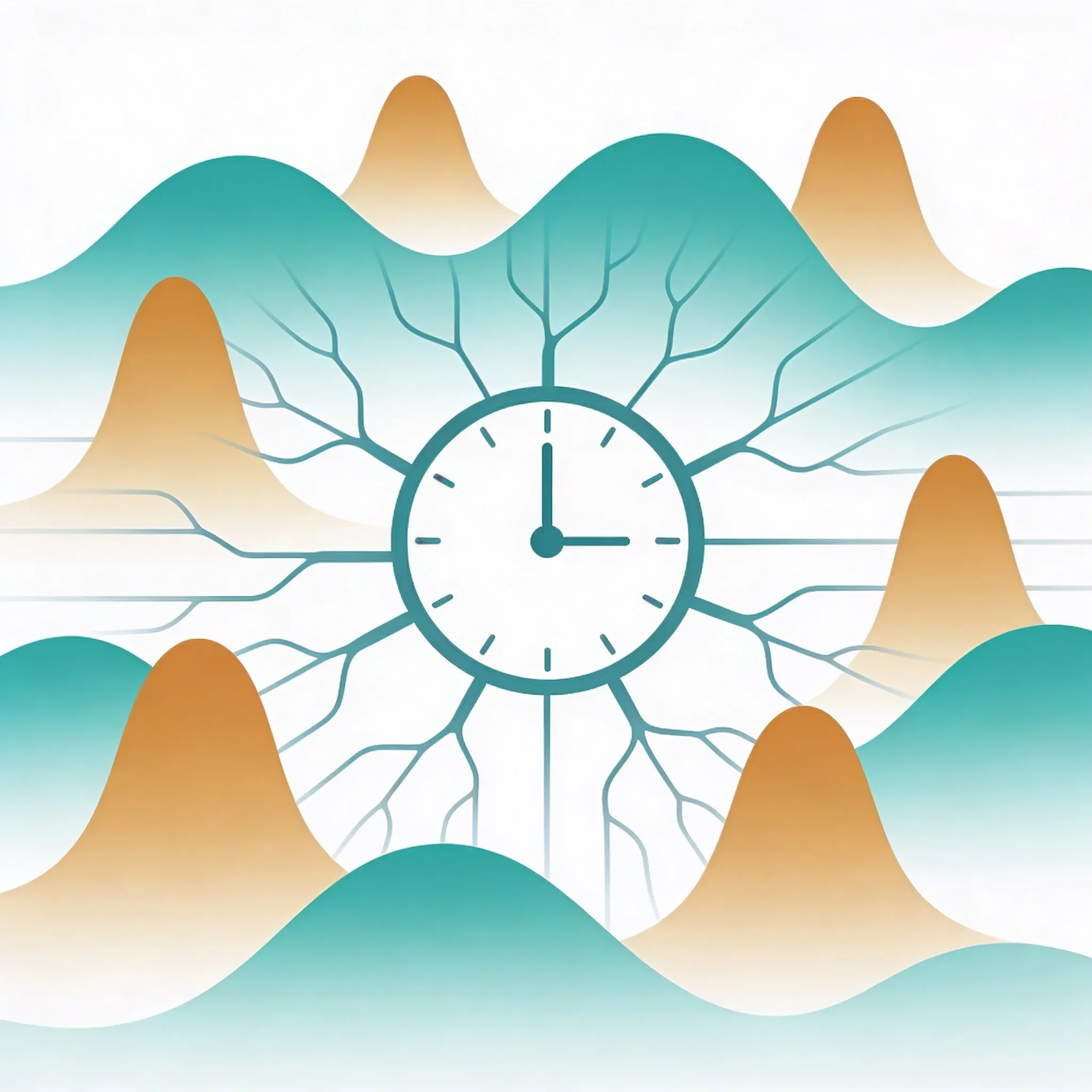
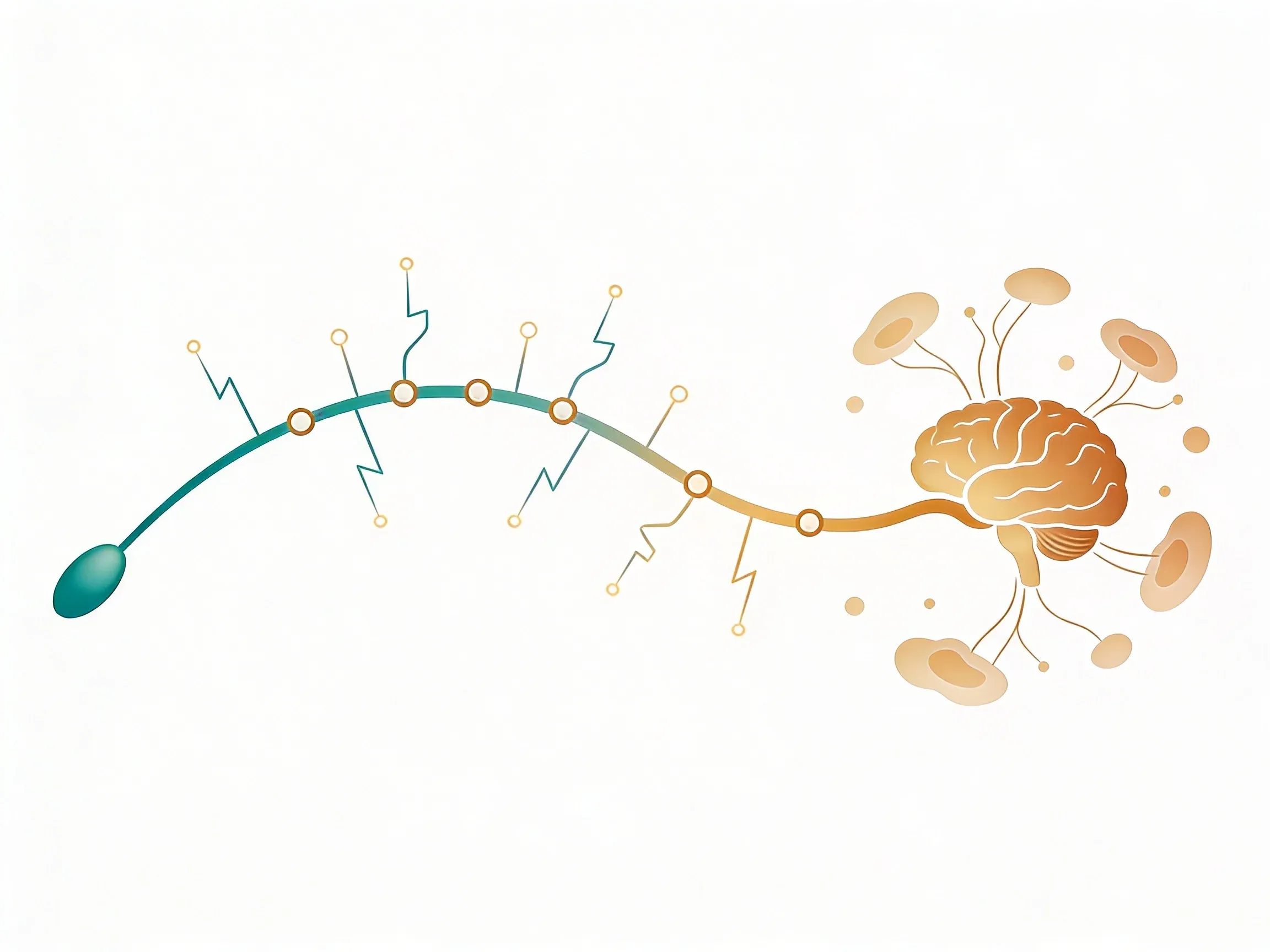
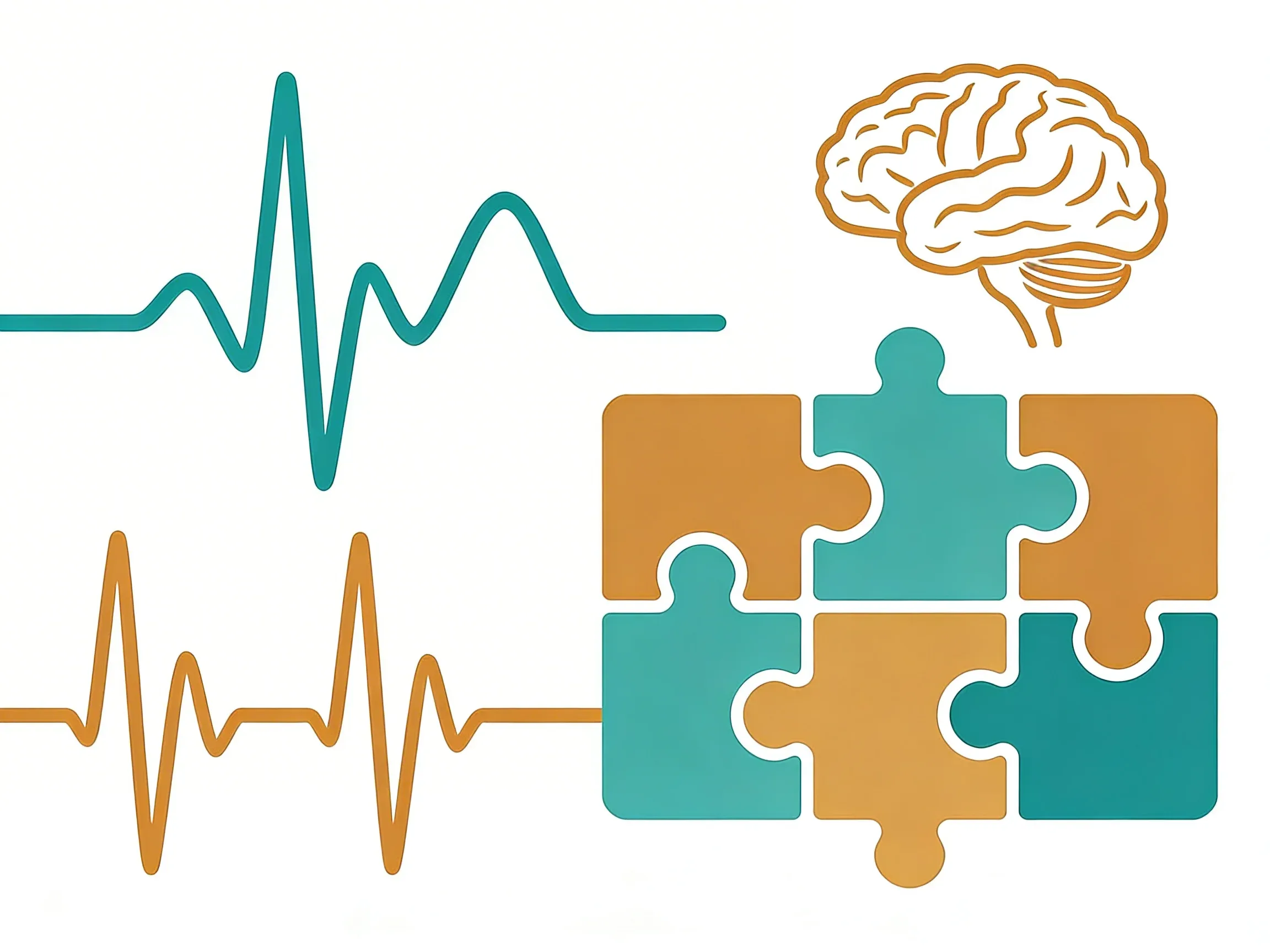
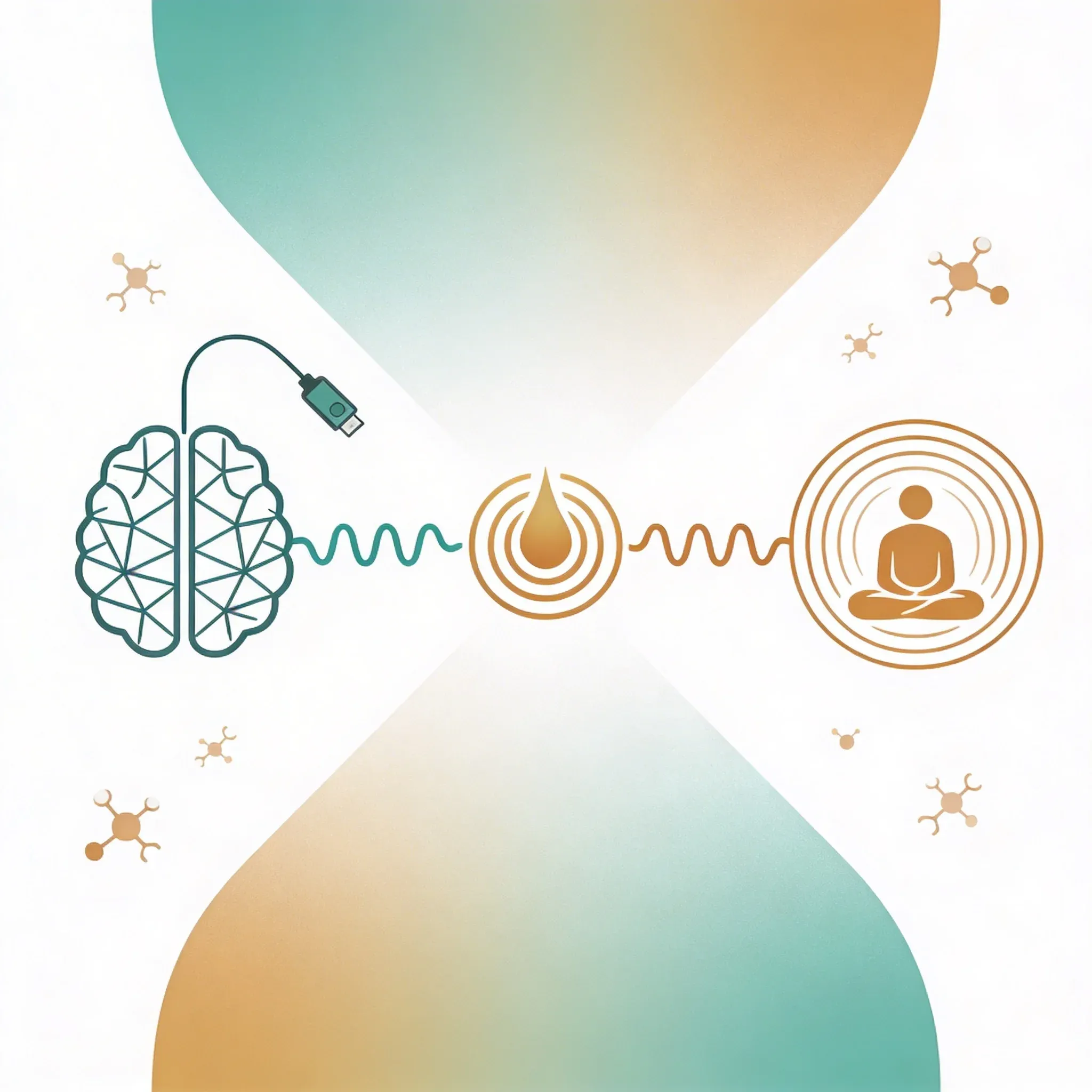
You take your VNS device out at 2 PM, hoping for focus, but feel nothing. Sound familiar? Your brain's peak performance follows predictable daily patterns. Research suggests optimal cognitive windows occur approximately 30 minutes, 3 hours, or 11 hours after waking, aligning with your natural cortisol peaks1. Timing vagus nerve stimulation around these windows may help support mental clarity and focus when you need it most.
How Does Your Body Clock Affect Mental Performance?
Your cognitive abilities aren't constant throughout the day. They rise and fall with your circadian rhythms.
Three key brain functions drive all mental tasks: attention, working memory, and executive control1. These functions follow your body's natural temperature rhythm. For most people, cognitive performance peaks in late afternoon when core body temperature reaches its daily high.
But here's the catch:
Your chronotype -- whether you're naturally a morning lark or night owl -- shifts these windows significantly. Morning types hit their cognitive stride between 8-10 AM. Their brains work best when cortisol levels surge after waking.
Evening types find their mental sweet spot much later, often between 6-8 PM. Forcing a night owl to do complex thinking at 8 AM is like asking them to perform with one hand tied behind their back.
This natural variation explains why the same VNS timing protocol might work great for your friend but feel off for you.
What's the Optimal VNS Timing for Cognitive Tasks?
The research is still early, but small studies point to some promising patterns.
A 2023 analysis examining time-of-day effects found that cognitive performance windows are highly individual but predictable1. A 2025 study found that transcutaneous VNS improved accuracy during perceptual decision-making tasks without affecting reaction times, with the strongest benefits observed in participants who showed accuracy declines under control conditions2.
Key timing rule: Use VNS 15-30 minutes before your peak cognitive window. This gives your nervous system time to shift into the calm-alert state that supports focused thinking.
The most effective approach appears to be:
Match your chronotype, not the clock. If you're a natural night owl, using VNS at 6 AM probably won't deliver the cognitive boost you're hoping for. Instead, time it before your personal performance peak.
Consider task complexity. Research suggests tVNS effects on accuracy are strongest when cognitive performance tends to decline, such as during difficult tasks2. Simple tasks might work anytime. Complex problem-solving may benefit most from VNS support.
Think about it this way: VNS isn't magic. It's a tool that works with your body's existing patterns, not against them.
Should VNS Timing Differ for Different Types of Mental Work?
Not all cognitive tasks are created equal. Your brain handles routine work differently than creative problem-solving or intense focus sessions.
Here's what's surprising:
For focused attention tasks (studying, data analysis, detailed writing), align VNS with your natural alertness peaks. Morning types should stimulate around 7:30 AM for an 8 AM work session. Evening types might target 5:30 PM for 6 PM focus time.
For creative work, some people find success with VNS during their "off-peak" hours. The slightly drowsy state can actually support divergent thinking. But this varies wildly between individuals.
For memory consolidation tasks, late afternoon timing often works best, regardless of chronotype. This aligns with natural memory consolidation processes that occur when core body temperature peaks3.
The bottom line? Start with your chronotype as a guide, then adjust based on what you're actually trying to accomplish.
How Do I Find My Personal Optimal Window?
Figuring out your best VNS timing takes some detective work.
Try this VNS timing tracker:
1. Rate mental clarity every 2 hours for one week (1-10 scale)
2. Identify your natural peak without any stimulation
3. Test VNS at 15, 30, and 45 minutes before peak
4. Note which gap feels most effective
5. Factor in sleep quality, caffeine, and meal timing
Start small and be consistent. Use the same VNS duration and settings while you experiment with timing. This isolates the timing variable from other factors.
Remember, individual responses vary significantly based on chronotype and age1. What works for studies with small sample sizes might not work exactly the same for you.
This is where the research gets both interesting and complicated.
Your chronotype is largely genetic. You can't turn a night owl into a morning lark with VNS alone. But early research suggests vagus nerve stimulation might help smooth out some of the rough edges.
A PMC analysis of circadian rhythms and performance found that sleep deprivation can shift optimal cognitive windows by 2-3 hours3. When to Use Vagus Nerve Stimulation for Maximum Calm explores how VNS affects your nervous system's baseline state. A calmer nervous system tends to be more adaptable to non-optimal timing.
Some night owls report that VNS 30 minutes before forced morning cognitive work helps them feel more present and focused, even if they're not at peak performance. It's not about changing your chronotype -- it's about supporting your nervous system when you have to work against it.
But let's be honest: the best strategy for a night owl is still to negotiate for later work hours when possible. VNS is a support tool, not a chronotype eraser.