Is VNS FDA-Approved for Depression? What You Need to Know
Sarah had tried everything. Four different antidepressants over six years. Therapy. ECT. Her severe depression kept returning, stealing months of her life at a time. Then her psychiatrist mentioned something she'd never heard of: a pacemaker-like device that could stimulate a nerve in her neck to potentially help her brain.
Yes, vagus nerve stimulation (VNS) is FDA-approved for severe, treatment-resistant depression. The FDA gave approval in July 2005 for a surgically placed device that sends electrical pulses to the vagus nerve. It's reserved for adults who haven't gotten better with at least four different antidepressant medicines1.
This isn't the same as consumer vagus nerve devices you might see online. FDA-approved VNS for depression needs surgery. It needs ongoing medical care. And it's reserved for the most severe cases where other treatments have failed.
How Did VNS Get Approved for Depression?
The path to FDA approval started with a surprise discovery. VNS was first made to treat severe epilepsy in the 1990s. But researchers saw something interesting. Epilepsy patients getting VNS often felt better mood-wise. This happened even when their seizures didn't fully respond1.
This finding led to formal depression studies. The FDA looked at clinical trial data. The data showed VNS could help people with severe depression who had tried many medicine options. The approval came with specific rules. It's only for adults 18 and older with severe, returning depression. These people must not have gotten better after trying at least four different antidepressant treatments2.
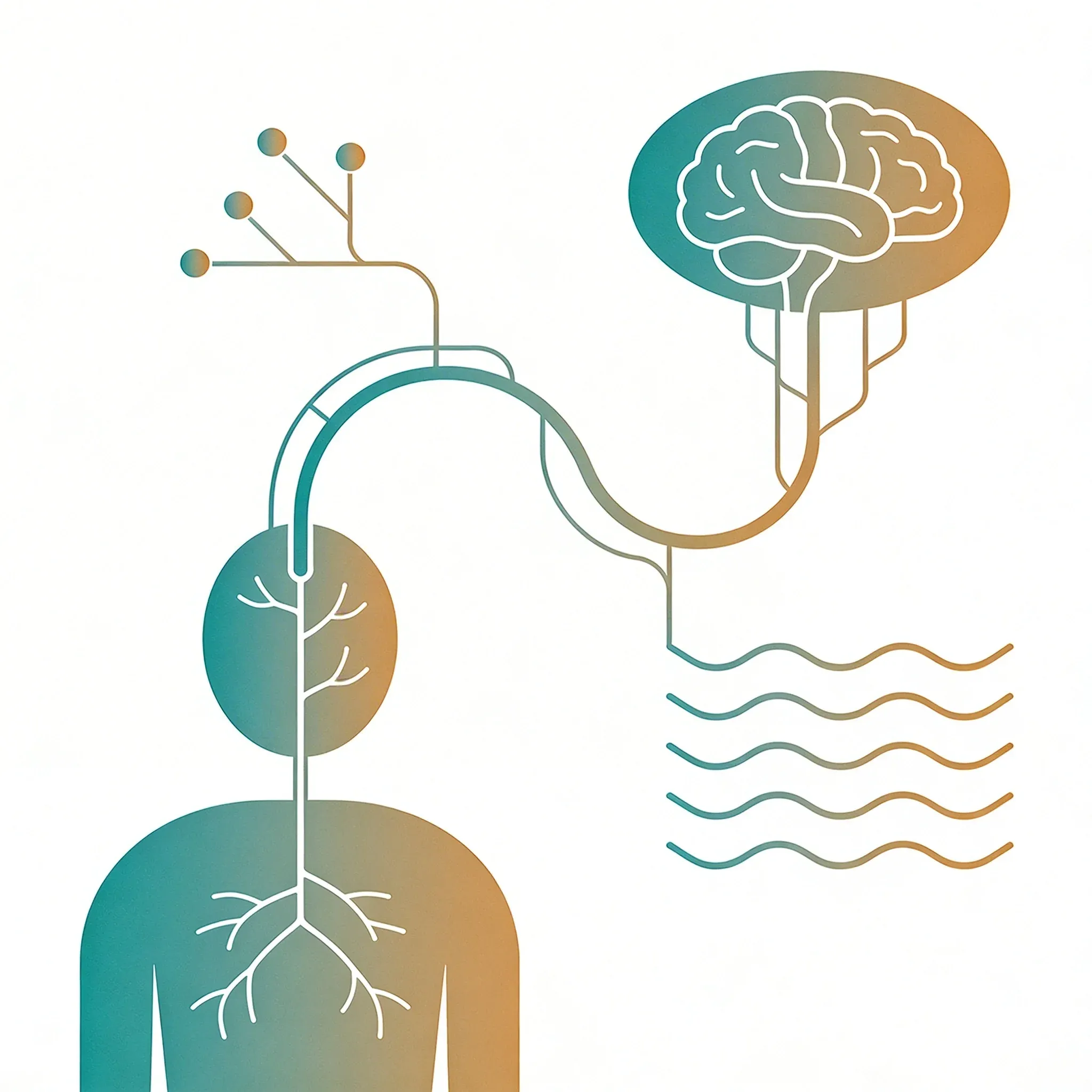
The treatment works through what researchers call a 'bottom-up' approach. Think of it like a pacemaker for your mood. A pacemaker sends electrical signals up to regulate your heart. Similarly, the VNS device sends signals up from the vagus nerve to influence brain circuits involved in mood control. This is different from antidepressant medicines, which work from the brain down to change chemistry throughout your body.
Who Qualifies for VNS Depression Treatment?
VNS isn't a first-choice treatment for depression. It's made for people with treatment-resistant depression who meet strict rules:
- Adults 18 years or older
- Diagnosed with severe, returning depression (unipolar or bipolar)
- Failed to respond to at least four different antidepressant medicine trials
- Still having big depression symptoms despite other treatments
The device is used as add-on therapy. This means it's added alongside other treatments like therapy or medicines. It's not used alone3. This surgical option usually comes up only after years of trying other approaches.
Medicare coverage adds another layer of rules. Right now, Medicare only covers VNS for depression through approved clinical trials. This is under their Coverage with Evidence Development program3. This reflects ongoing review of the treatment's long-term success and cost-benefit ratio.
How Effective Is VNS for Depression?
Recent clinical studies suggest VNS may reduce depression symptoms across many measures. Patients in trials saw improvements in remission rates, treatment response, and partial response compared to control groups4.
But here's what's important to understand: VNS doesn't work quickly like some other depression treatments. The effects build slowly over months. Some patients see first improvements within 3-6 months. But best benefits often take a full year or longer to develop.
Current research is exploring ways to make the treatment better. Scientists are testing higher stimulation doses. They're trying up to 3 milliamps compared to the original 1 milliamp protocols. They're also doing longer study periods to better understand how to get the most benefits2.
The honest answer about how well it works? It varies a lot between people. Some people see big improvement in their depression symptoms. Others see modest benefits. And some don't respond at all. This is why the treatment stays reserved for severe, treatment-resistant cases.
Understanding these timelines becomes crucial when considering the surgical commitment involved.
What Does VNS Surgery Involve?
VNS placement is an outpatient surgical procedure. But it's still surgery. A surgeon places a small device under the skin in your upper chest. The device is similar to a pacemaker. Thin wires connect the device to the vagus nerve in your neck.
Once placed, the device delivers programmed electrical pulses to stimulate the vagus nerve. These pulses are typically delivered in cycles. For example, 30 seconds of stimulation followed by 5 minutes of rest. This runs 24 hours a day.
The device settings can be adjusted by your doctor using an external programmer. Finding the right stimulation settings for each person often takes several months of fine-tuning.
Unlike some depression treatments, you can't simply stop VNS if you want a break. The device continues stimulating unless surgically removed or turned off. But patients can use a handheld magnet to pause stimulation for a short time if needed.
How VNS Compares to Other Depression Treatments
VNS fills a specific spot in depression treatment. It's less invasive than electroconvulsive therapy (ECT). It doesn't need anesthesia for each session. But unlike non-invasive techniques that people can try at home for general wellness - such as specific breathing patterns (4 seconds inhale, 6 seconds exhale) or cold exposure practices found in vagus nerve stimulation techniques for stress management - medical VNS requires surgery and ongoing medical supervision.
This distinction is important. The surgical VNS device delivers precise, controlled electrical stimulation directly to the nerve. Home techniques like cold exposure or breathing work differently and aren't treatments for depression.
The treatment timeline also differs from other options. Some antidepressants may show effects within weeks. ECT may work within days. But VNS benefits typically emerge over months. This makes it better suited for long-term management rather than sudden depression episodes.
Side effects are generally mild but can include voice changes, throat discomfort, or coughing. These happen especially when the device fires. These often get better as patients adjust to the stimulation over time.
Current Research and Future Directions
VNS research for depression continues evolving. Scientists are looking at best stimulation settings. They're working on better patient selection criteria. They're also studying combination approaches with other therapies.
One promising area involves personalizing stimulation based on individual response patterns. Some research suggests that heart rate variability monitoring might help predict which patients will respond best to VNS therapy. Heart rate variability measures how your heart rate changes between beats, which reflects vagus nerve activity. Patients with certain HRV patterns before treatment may be more likely to benefit from VNS for depression.
Researchers are also exploring whether starting with higher stimulation doses from the beginning might improve outcomes. The original protocols were careful. But newer studies suggest some patients might benefit from more intensive stimulation.