5 Simple Vagus Nerve Exercises to Sharpen Your Focus
That moment when you're staring at your screen but your brain feels like it's running through mud? Your thoughts bounce between that deadline, dinner plans, and whether you remembered to lock the door. Meanwhile, the task that actually matters sits there, untouched.
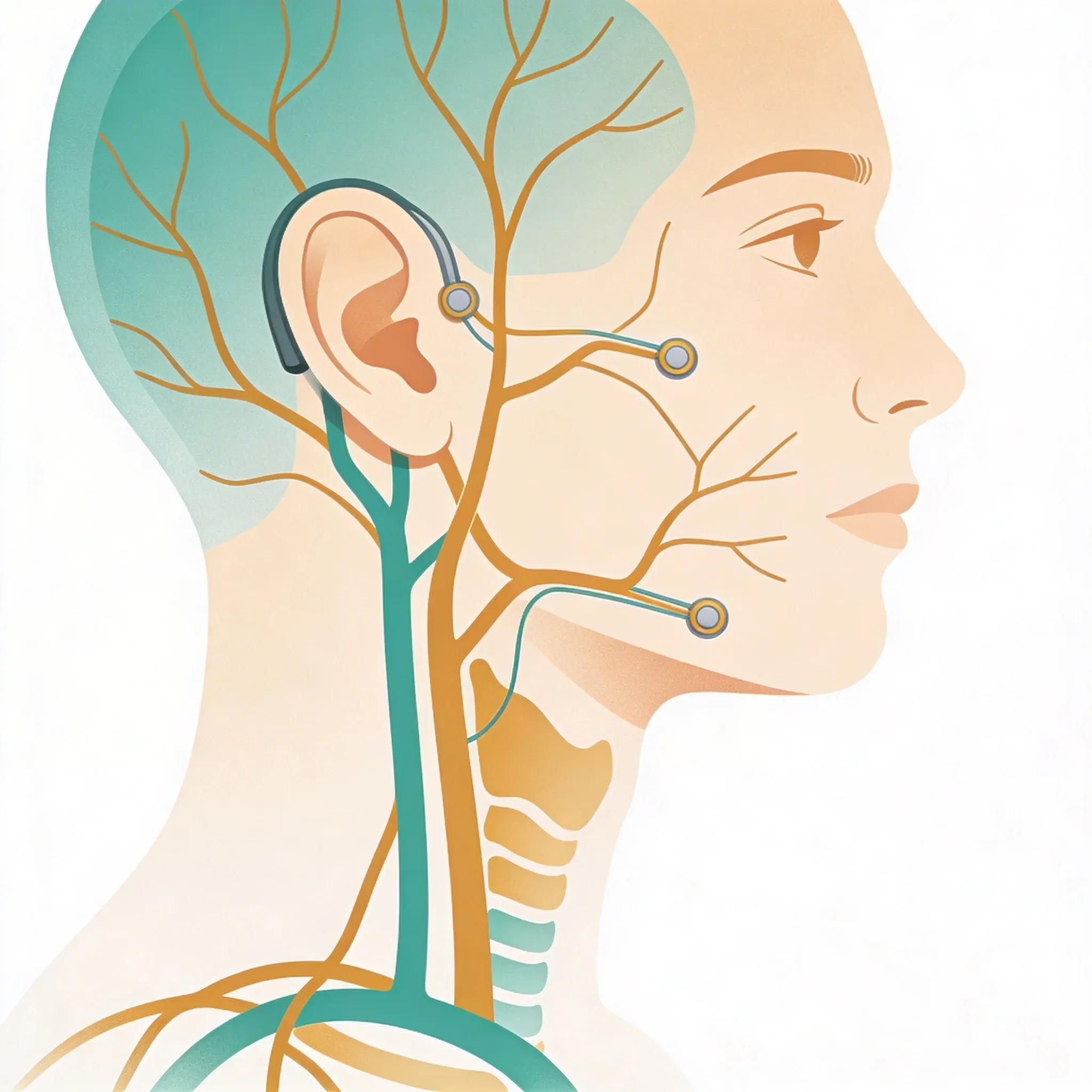
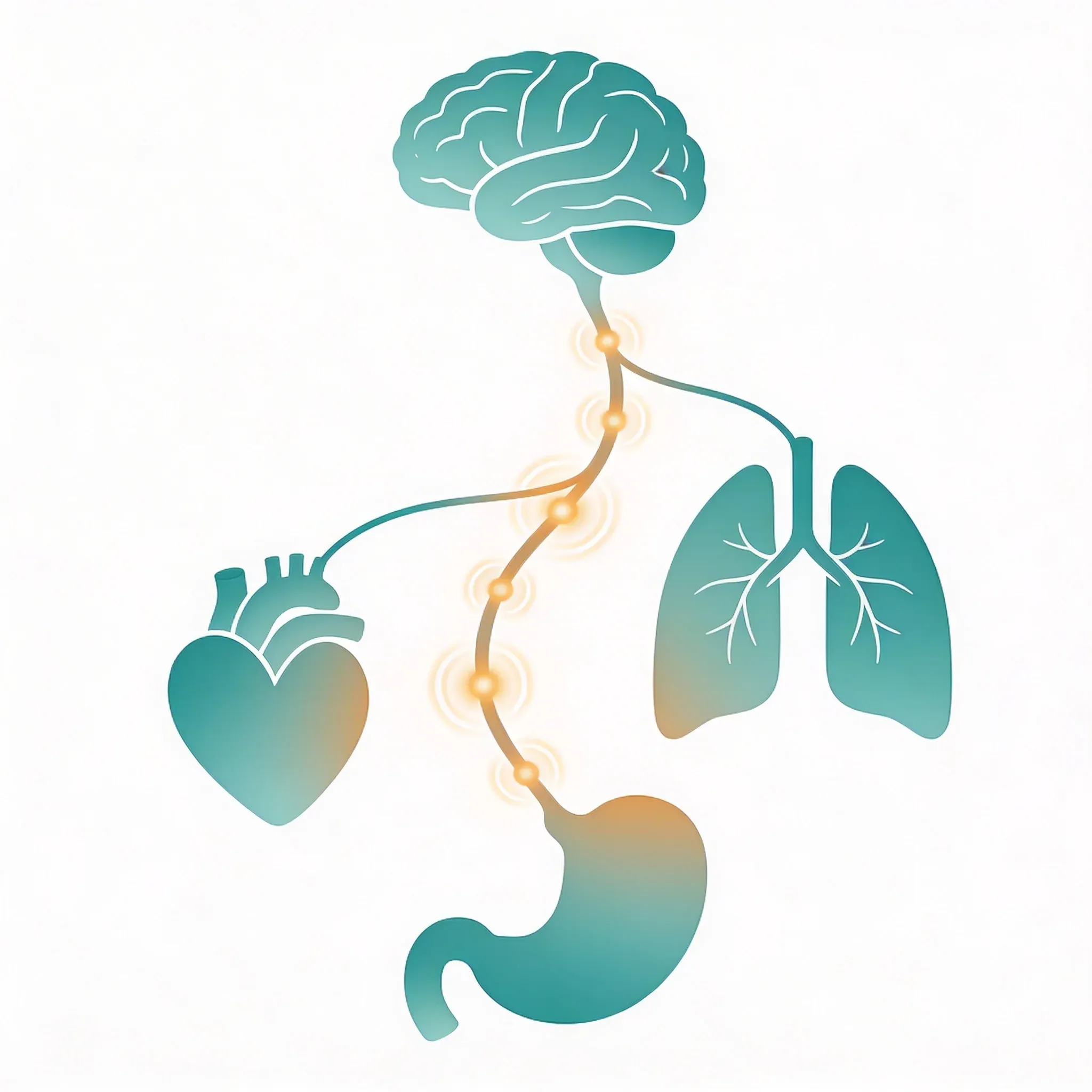
Here's what's happening: your nervous system is stuck in overdrive. But there's a simple fix. Your vagus nerve—a major pathway connecting your brain to your body—can shift you from scattered stress to calm, laser-focused attention. When you activate it through specific exercises like deep breathing and gentle movement, you move from stress mode to that sweet spot of relaxed alertness.
Your ability to focus isn't just about willpower or caffeine. It's deeply connected to your nervous system state. When your vagus nerve is functioning well, your mind can settle into focused flow.
How Does the Vagus Nerve Affect Focus?
Think of your vagus nerve as your internal orchestra conductor—but not just any conductor. Picture a maestro who controls the entire performance by adjusting tempo, volume, and which sections play when. When stress hits, it's like the conductor loses control: the brass section (your heart) starts blaring at double-time, the woodwinds (your breathing) become rapid and shallow, and the strings (your thoughts) start playing completely different pieces all at once.
The vagus nerve conductor restores order by cueing your "rest and digest" mode—the parasympathetic nervous system. It signals the heart to slow its frantic pace, tells your diaphragm to deepen its rhythm, and helps all the sections of your nervous system play in harmony again. This doesn't make you sleepy. Instead, it creates the calm alertness perfect for sustained attention.
When you stimulate your vagus nerve, heart rate variability improves. That's the healthy variation in time between heartbeats that signals a strong nervous system. Research suggests better HRV may be associated with improved brain performance and mood control1.
What's the 1:2 Breathing Method for Focus?
The simplest vagus nerve exercise is also the most powerful. You breathe with a longer exhale than inhale. The 1:2 ratio works perfectly. Inhale for 4 counts, exhale for 8 counts2.
This method directly stimulates the vagus nerve through your diaphragm. The long exhale triggers the "vagal brake"—a system that slows your heart rate and shifts your entire system toward calm.
Try this 2-minute focus reset:
1. Sit comfortably with your feet flat on the floor
2. Place one hand on your chest, one on your belly
3. Inhale through your nose for 4 counts (belly should rise more than chest)
4. Exhale slowly through your mouth for 8 counts
5. Repeat for 6-8 cycles
Many people notice clearer thinking within minutes. The beauty is you can do this anywhere—before a meeting, during a work break, or when you feel your mind starting to scatter.
Which Physical Movements Activate the Vagus Nerve?
Gentle movement helps reset both heart and breathing patterns through vagus nerve activation. You don't need intense exercise. Slow, mindful movement works better for focus than high-intensity workouts, which can amp up your system.
Yoga poses work particularly well. Try gentle twists, neck stretches, and forward folds. These movements massage the vagus nerve pathway and encourage deeper breathing3.
Simple desk-friendly moves:
- Slow neck rolls (5 in each direction)
- Gentle spinal twists while seated
- Shoulder blade squeezes held for 5 seconds
- Standing forward fold with bent knees
The key is moving slowly and breathing deeply throughout. This isn't about burning calories—it's about shifting your nervous system state. Stretching also helps because physical tension and mental tension feed each other. When you release tight shoulders or a stiff neck, your mind often follows suit.
How Do Vocal Exercises Stimulate Focus?
Here's something most people don't know: humming, singing, and even gentle gargling naturally stimulate your vagus nerve. The vibrations from vocal cord movement directly activate nerve pathways in your throat4.
The vagus nerve has branches that connect to your larynx (voice box). When you create vibrations through vocalization, you're giving those nerve fibers a gentle workout.
Quick vocal techniques:
- Hum your favorite tune for 30-60 seconds
- Say "Om" or "Ahh" with a long, slow exhale
- Gargle water for 20 seconds (seriously)
- Sing along to a few songs (volume doesn't matter)
These work especially well when you're feeling mentally foggy. The mix of controlled breathing and vocal vibration can clear head fog faster than another cup of coffee.
What makes vocal exercises unique? They engage multiple vagus nerve pathways at once—breathing, throat muscles, and even facial muscles if you really get into the singing.
Can Cold Exposure Really Improve Focus?
Cold water on your face or a brief cold shower activates the "dive reflex"—an ancient mammalian response that quickly stimulates the vagus nerve. Your heart rate drops, breathing deepens, and your nervous system shifts into a more focused state.
You don't need ice baths or extreme cold. Even splashing moderately cold water (around 50-60°F or 10-15°C) on your face can trigger this response.
Safe cold exposure for beginners:
- End your regular shower with 30 seconds of cooler water
- Fill a bowl with cold tap water (50-60°F) and splash your face 5-10 times, holding each splash for 2-3 seconds
- Hold an ice cube for 30-60 seconds while breathing slowly
- Drink a glass of ice water mindfully over 2-3 minutes
The magic happens when you stay calm during cold exposure. If you tense up and hold your breath, you miss the vagal activation. The goal is teaching your nervous system it can stay calm even when something uncomfortable happens.
This builds what researchers call "stress resilience"—your ability to maintain focus when challenges arise.
When Should You Practice These Exercises?
Timing matters. Your vagus nerve responds best to consistent, gentle stimulation rather than intense, occasional efforts. Think of it like training a muscle—regular, moderate practice beats rare marathon sessions.
Best timing:
- Morning: 2-3 minutes of breathing or humming to set a calm tone
- Pre-work transition: Brief movement or cold water to shift into focus mode
- Mid-day reset: Progressive muscle relaxation during lunch breaks
- Evening wind-down: Gentle breathing to transition out of work mode
The key is linking these exercises to existing habits. Instead of trying to remember a new routine, attach vagus nerve practices to things you already do. Breathe deeply while your coffee brews. Hum while you walk to meetings. Splash cold water when you brush your teeth.
Consistency trumps perfection. Five minutes daily beats an hour once a week.
For deeper understanding of how to layer these techniques throughout different parts of your day, you might explore when to use vagus nerve stimulation for maximum calm to create a personalized routine.