How Your Heart Rate Variability Reveals Your Mood (And What to Do About It)
You're stuck in traffic, running late for an important meeting. Your mind starts racing, your palms get sweaty, and you can feel your heart pounding. What you might not realize is that the tiny gaps between each heartbeat are changing too -- and they're revealing exactly how stressed you really are.
Those tiny gaps are called heart rate variability or HRV, and they work like a mood meter. Higher HRV often means better mood control and a calmer nervous system. Lower HRV often shows up with stress, worry, and mood swings.
What Is Heart Rate Variability and Why Does It Matter for Mood?
Think of HRV as your nervous system's flex score. Just like a flexible athlete can adjust their movements smoothly for different situations, a flexible nervous system can adjust your heart rhythm smoothly in response to changing demands. When your vagus nerve works well, it creates these healthy rhythm adjustments. During stress, it might speed up your heart. During calm moments, it slows things down. This ability to shift and adapt shows the balance between your "fight or flight" system and your "rest and digest" mode.
Research shows people with higher resting HRV show better mental flex and task-switching skills1. They adapt to mood challenges more easily. They bounce back faster from stress.
Your vagus nerve controls this change. When it's strong, your heart rate speeds up slightly when you breathe in. It slows down when you breathe out. This natural rhythm shows your nervous system responds well and stays balanced.
Here's the thing: this same change that helps control your heartbeat also helps control your moods.
How Does HRV Show Your Mood State?
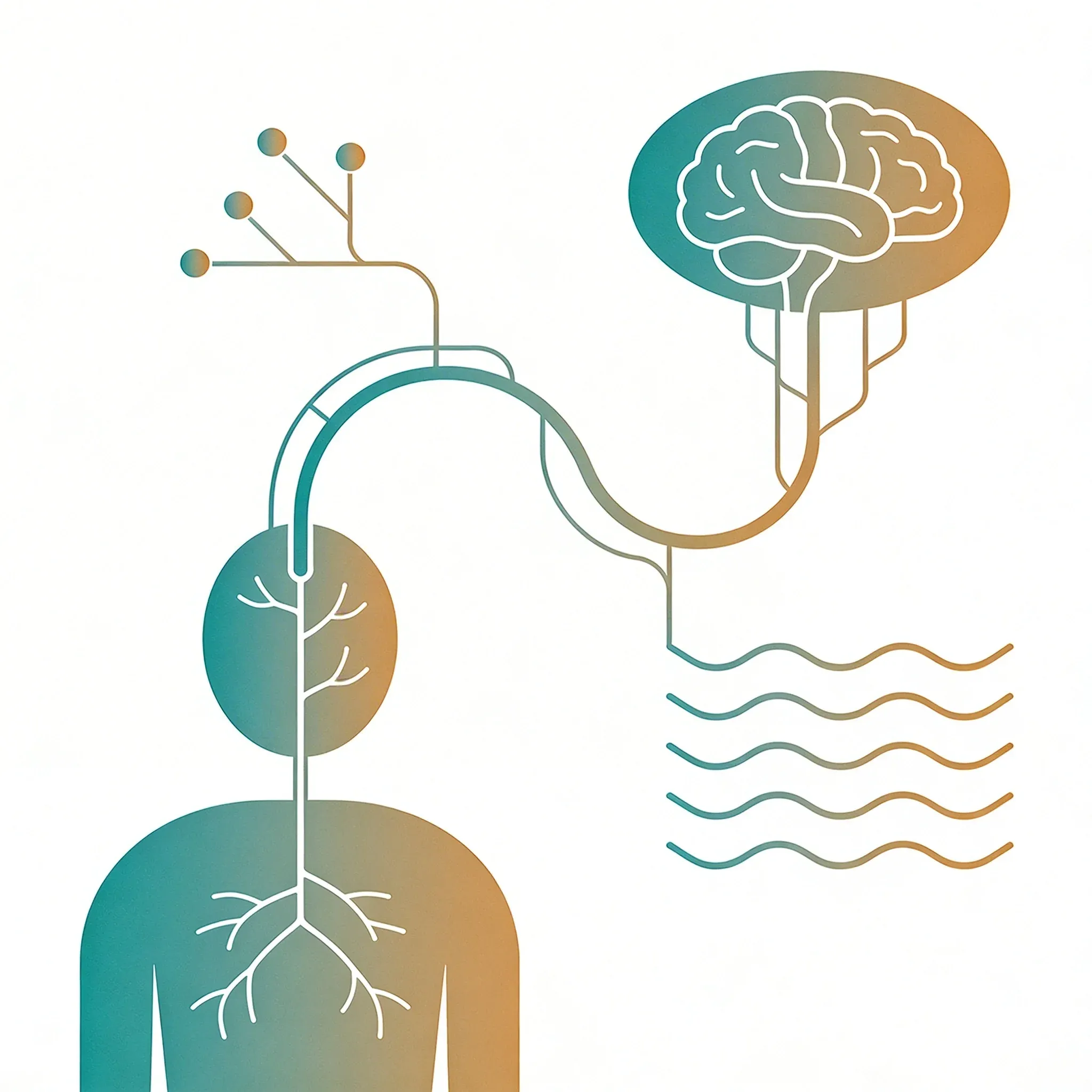
Your brain and heart talk constantly through the vagus nerve. About 80% of those nerve fibers carry info from your heart up to your brain. Not the other way around.
Brain scans show that HRV patterns match up with brain areas involved in mood control2. When your HRV is higher, areas like the prefrontal cortex work better. That's your brain's mood control center.
This creates a feedback loop. Better vagal tone leads to higher HRV. Higher HRV supports better mood control. Better mood control keeps stress lower. This maintains healthy HRV.
People with mood problems often show different HRV patterns compared to healthy people. Lower HRV often appears with depression, worry, and mood swings.
Can You Improve Your Mood by Changing Your HRV?
The link works both ways. While mood affects HRV, research suggests you can also change mood by improving HRV.
Some approaches that may help boost HRV and support mood health:
Slow breathing exercises. Try 4-7-8 breathing for 5-10 minutes daily. Breathe in for 4 counts, hold for 7, exhale for 8. This pattern may help activate your vagus nerve and improve your heart rhythm variability.
Cold exposure. Brief cold showers or face dips turn on the vagus nerve through the dive reflex.
Regular sleep schedule. HRV naturally changes with daily rhythms. Steady sleep supports optimal patterns.
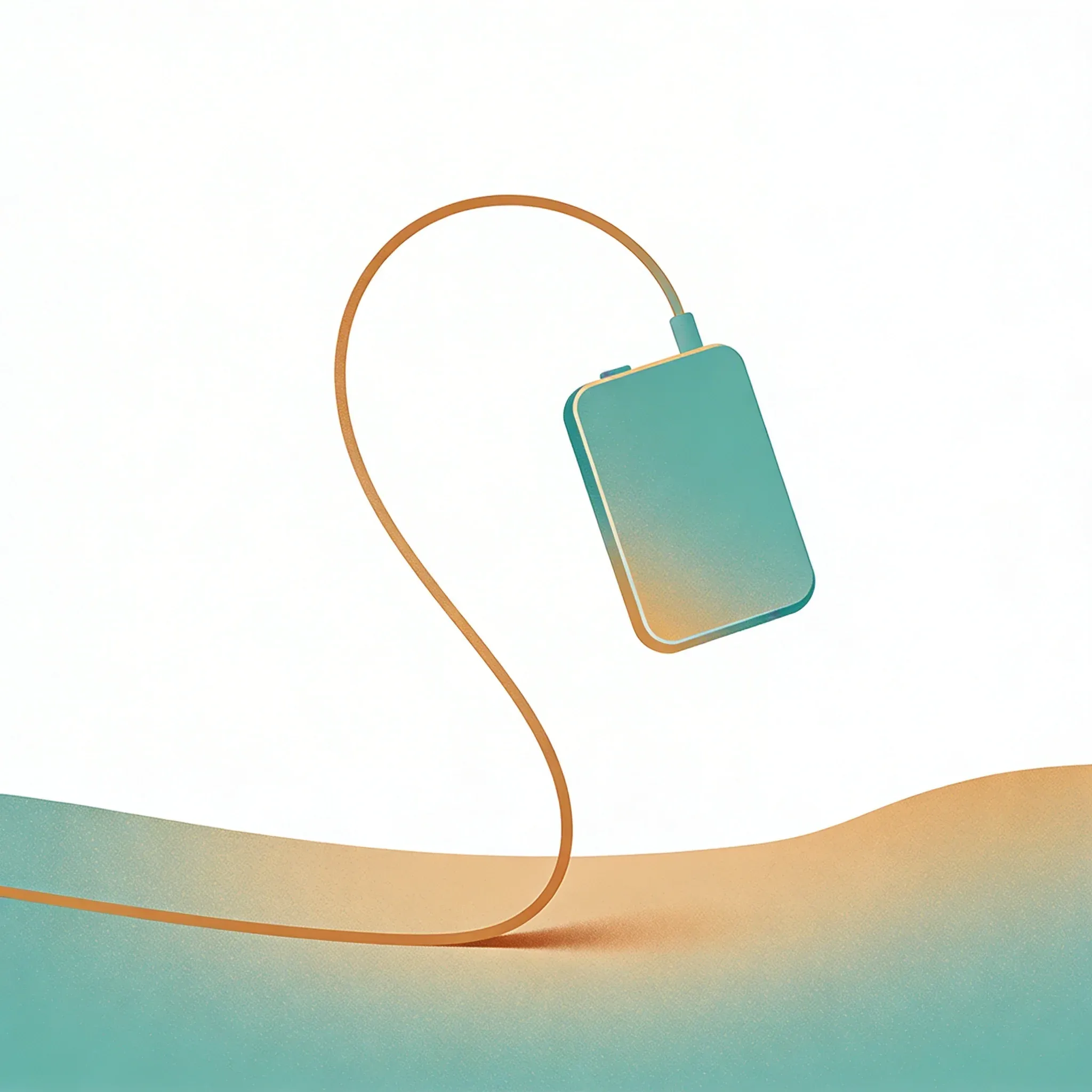
Vagus nerve devices. Some people use wearable devices that deliver gentle electrical pulses to the vagus nerve through the ear. Research on how vagus nerve stimulation boosts HRV shows good results. These devices might offer additional support when you need extra vagus nerve support during particularly stressful periods.
Cognitive training programs. Mental exercises that require rapid switching between tasks can strengthen your brain's control systems. When your prefrontal cortex gets better at managing attention and responses, it also improves its communication with your vagus nerve. This enhanced brain-heart connection may help support healthier HRV patterns over time3.
The goal isn't to chase perfect HRV numbers. It's to support your nervous system's natural ability to stay flex and strong.
What Do Consumer HRV Devices Actually Tell You?
Many fitness trackers and dedicated HRV monitors can give you useful insights. But they're not medical devices.
HRV varies hugely between people. Your "normal" might be completely different from someone else's. What matters more is your personal trend over time.
Morning readings tend to be most reliable. Your HRV is typically highest when you first wake up. This is before daily stress starts affecting your nervous system.
Some patterns to watch for:
- Steady declining HRV over several days may show built-up stress
- HRV that doesn't recover after rest might suggest overtraining or mood strain
- Sudden drops often match with illness, poor sleep, or big stress
These devices work best as early warning systems. They can help you notice when you might need extra support before stress takes over your system.
The Bottom Line on HRV and Mood
Your heart rate variability offers a window into your mood health. It shows how well your nervous system handles stress and controls moods.
Higher HRV generally matches with better mood stability and bounce-back power. But it's just one piece of the puzzle. Age, fitness level, genes, and current health all change your HRV patterns.
The research on HRV as a mood marker is promising but still growing. We can't diagnose depression or predict panic attacks based on HRV alone. What we can do is use HRV as feedback about our nervous system's current state.
Whether you track HRV with a device or simply notice how your body feels, the goal stays the same. Supporting your nervous system's natural ability to stay calm, flex, and mood-balanced.